Winter Olympics Opening Ceremony Controversy: Was Mariah Carey's 'Volare' Live or Pre-Recorded?
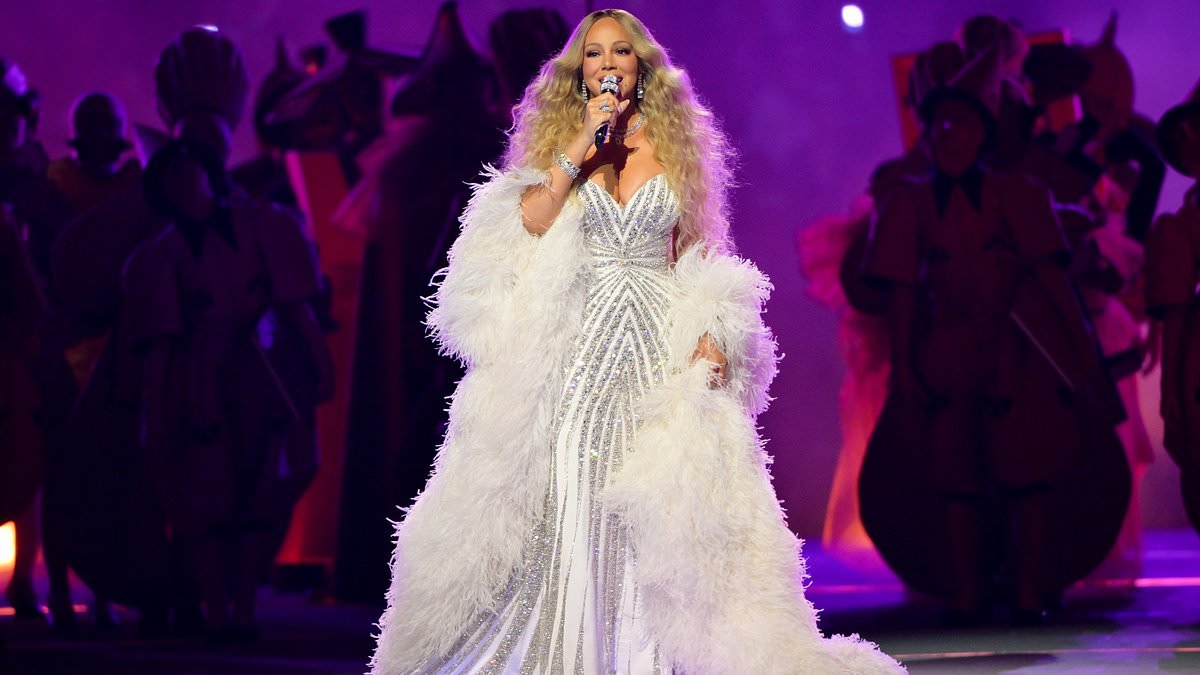
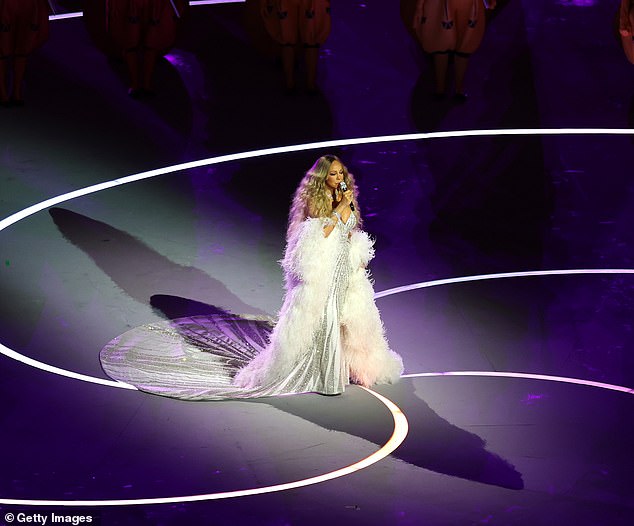
The Winter Olympics opening ceremony in Milan has become the center of a controversy that highlights the blurred lines between artistry and technical precision in live performances. At the heart of the debate is pop icon Mariah Carey, whose rendition of 'Volare' during the 25th Olympic Winter Games has sparked a firestorm of criticism and speculation. Organizers have remained unusually vague about whether Carey's performance was live or pre-recorded, leaving fans and critics to piece together the truth from scattered clues. This lack of clarity has fueled a growing sense of frustration among audiences who demand transparency from events of this scale.
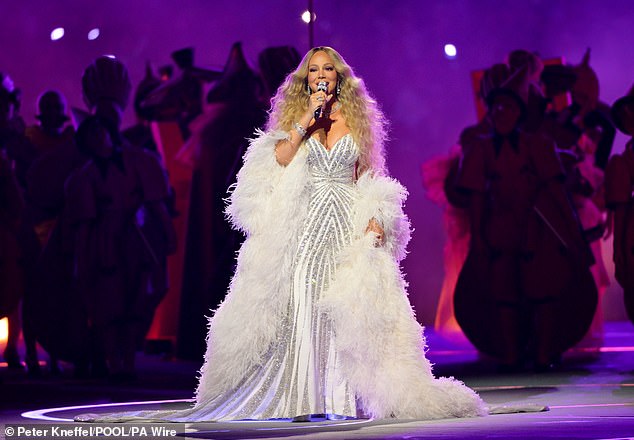
Maria Laura Iascone, the show's director, confirmed in an interview with The Guardian that pre-recorded elements are a standard practice across international broadcasts. 'During all the ceremonies, we always record to be on the safe side,' she said, attempting to contextualize the situation. However, her remarks did little to quell the growing backlash. 'This is something that is practised internationally in events with high-level broadcasting,' she added, though her comments were met with skepticism by those who argue that the Olympics—a global spectacle—should set a higher standard for live performances.
The controversy has only intensified as social media users have taken to platforms like X to express their outrage. One user wrote, 'I haven't seen a worse lip sync performance than this in years,' while another added, 'Mariah Carey is lip syncing at the f***ing Olympics.' The backlash wasn't limited to critics; some fans defended Carey, noting her vocal training and opera background. Still, the criticism has raised broader questions about the pressures faced by performers in high-stakes environments. Carey's performance, while described by Iascone as 'fantastic' and 'magical,' now stands as a case study in the challenges of balancing perfection with authenticity.
The implications of this controversy extend beyond Carey's reputation. Critics argue that the use of pre-recorded segments, if confirmed, could damage the credibility of the Olympics as a platform for live cultural expression. For communities in Milan and Cortina, where the event is a symbol of unity and pride, the fallout could strain the public's trust in the organizers' commitment to transparency. 'Some elements of the opening ceremony had been pre-recorded to ensure accurate timing, sound quality, and a seamless broadcast,' a spokesperson for Milan-Cortina explained, but the explanation has done little to soothe the storm of criticism.
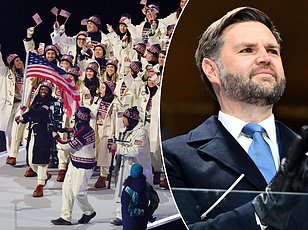
Meanwhile, the scrutiny has also extended to other aspects of the ceremony. US Vice-President JD Vance, who attended the event, faced unexpected booing from the crowd as Team USA entered, though that moment overshadowed the focus on Carey. The dual narratives—of a globally revered icon facing accusations of inauthenticity and a political figure encountering unexpected hostility—underscore the unpredictable nature of international events. For now, the story of Mariah Carey's performance in Milan remains unresolved, a cautionary tale about the delicate balance between spectacle and truth in the world of live entertainment.
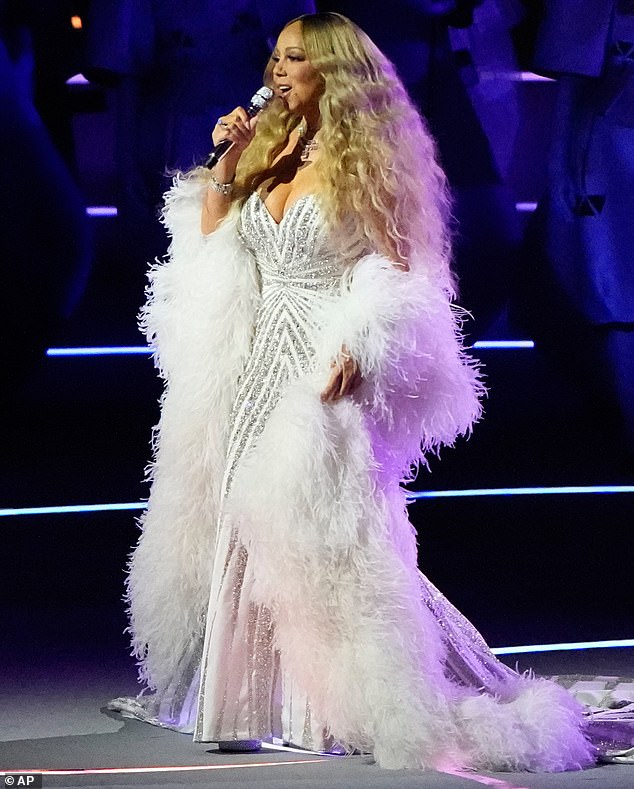
As the dust settles on this chapter of the Winter Olympics, the incident raises uncomfortable questions for future organizers. Can such high-profile events afford to hide behind vague justifications for pre-recorded content? And how will performers like Carey navigate the immense expectations that come with participating in history-making moments? For now, the only certainty is that the opening ceremony in Milan will be remembered not for its grandeur, but for the controversy that followed.
Photos