US Measles Cases Surge to 1,000 in Two Months, Raising Fears of Losing Elimination Status
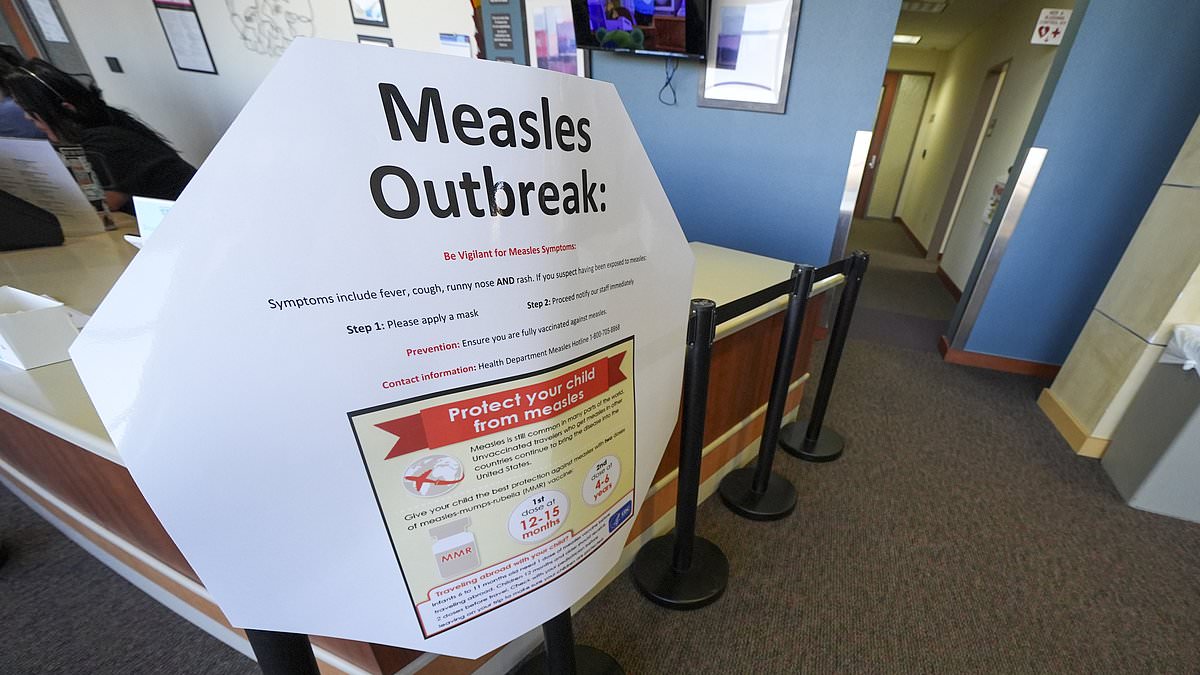
The United States has reached a grim public health milestone, with nearly 1,000 confirmed measles cases reported in just two months, according to data compiled by the Centers for Disease Control and Prevention (CDC). As of early 2026, the nation has recorded 982 cases this year alone, a staggering fourfold increase compared to the 284 cases reported at the same time in 2025. The total number of infections in 2025, as noted by the CDC, was 2,281, marking a sharp upward trend in a disease that had been officially eliminated in the U.S. since 2000. This resurgence has raised alarm among health officials, who warn that the country may soon lose its measles-elimination status—a designation that signifies the virus is no longer spreading routinely within borders.
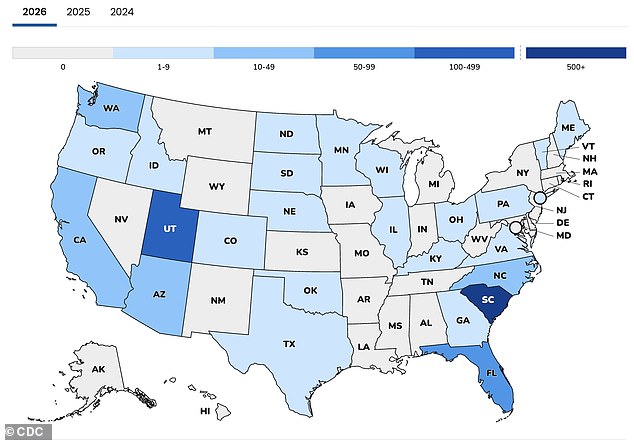
South Carolina has emerged as the epicenter of the outbreak, with the state's Department of Public Health confirming 979 cases since the epidemic began in early October 2025. Over 800 of these cases were reported in the past two months alone, according to the latest data. The state has seen a rapid escalation, with six new cases confirmed just this week, pushing the total to 979. The CDC has acknowledged delays in reporting, which have caused discrepancies between state and national databases. Health officials in South Carolina have emphasized that vaccination remains the most effective tool to combat the outbreak, stating, 'Vaccination continues to be the best way to prevent measles and stop this outbreak.'

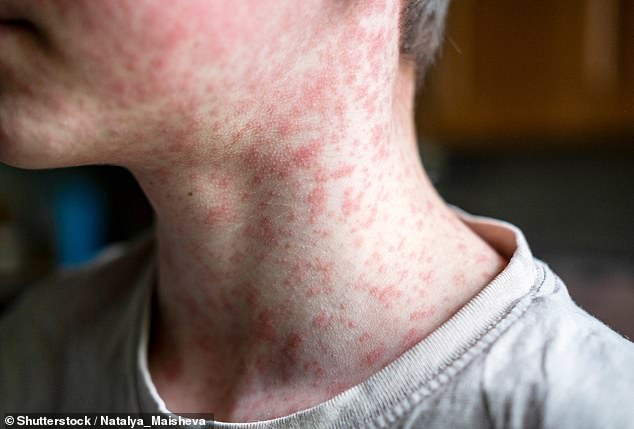
The outbreak has had severe consequences, with at least 38 people hospitalized due to complications from the disease. According to the CDC, over 10 percent of measles infections in 2025 resulted in hospitalization, with the majority of cases involving children and teenagers. Hospitalizations typically stem from life-threatening complications such as pneumonia, respiratory failure, and encephalitis—brain swelling that affects one in 1,000 measles patients and kills 20 percent of those affected. Survivors may suffer permanent intellectual disabilities, deafness, or other long-term neurological damage. Encephalitis, in particular, is a grave concern, with a mortality rate of 20 percent among those who develop it. Measles is not merely a rash; it can lead to severe diarrhea, permanent brain damage, and death in 1 to 3 out of every 1,000 children infected.
While South Carolina has borne the brunt of the outbreak, other states have also reported concerning trends. Florida, for instance, has confirmed 92 cases so far this year, with 66 of them concentrated in Collier County. The outbreak there is largely centered at Ave Maria University, located just outside Naples. Other states with significant outbreaks include Utah (300 cases), Arizona (36), and Washington state (24). The CDC has confirmed seven new outbreaks nationwide in 2026, signaling a growing challenge in containing the virus.
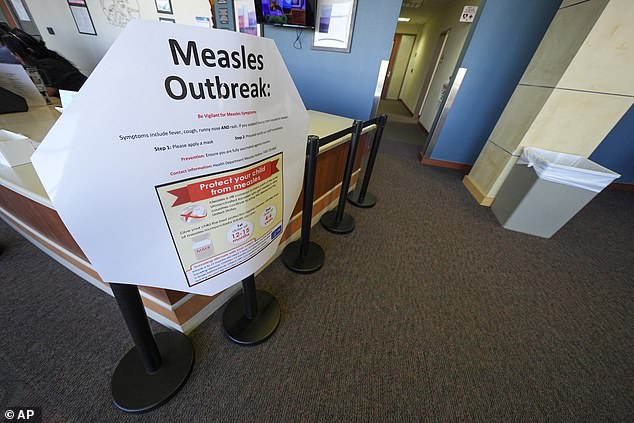
The resurgence of measles has been linked to declining vaccination rates, which have fallen below the 95 percent threshold needed to maintain herd immunity. For the 2024-2025 school year, 39 states reported vaccination rates below the critical 95 percent mark, a significant increase from the 28 states that fell below the threshold before the pandemic. Sixteen states now report rates below 90 percent, with Idaho reporting the lowest at 78.5 percent, while Connecticut holds the highest at 98.2 percent. This decline leaves approximately 286,000 kindergarteners in the U.S. unprotected, a vulnerable population that heightens the risk of outbreaks in schools and communities.
The MMR vaccine, which is 97 percent effective with two doses and 93 percent effective with a single dose, remains the best defense against measles. However, vaccination rates have been on the decline for years, despite consistent evidence showing that vaccinated individuals who do contract measles experience milder symptoms and are less contagious than unvaccinated individuals. The latest CDC data reveals that 94 percent of people infected with measles this year were not previously vaccinated, underscoring the urgent need for increased immunization efforts. The CDC has repeatedly urged Americans to get vaccinated, emphasizing that even a single dose provides long-term protection against the disease.
As the U.S. approaches the 1,000-case milestone, the potential loss of its measles-elimination status looms large. Health experts warn that the virus is no longer confined to isolated outbreaks but is spreading more routinely, a sign that the country may be returning to a pre-elimination era. The resurgence of measles has sparked renewed debates about public health policy, vaccine mandates, and the role of misinformation in eroding trust in immunization programs. With the virus continuing to spread and vaccination rates lagging, the battle to protect public health has entered a critical phase, one that will require coordinated action from federal, state, and local authorities to prevent further escalation.
Photos