Urgent Recall: FDA Labels Blueberries with Highest Risk Level Over Deadly Listeria Contamination
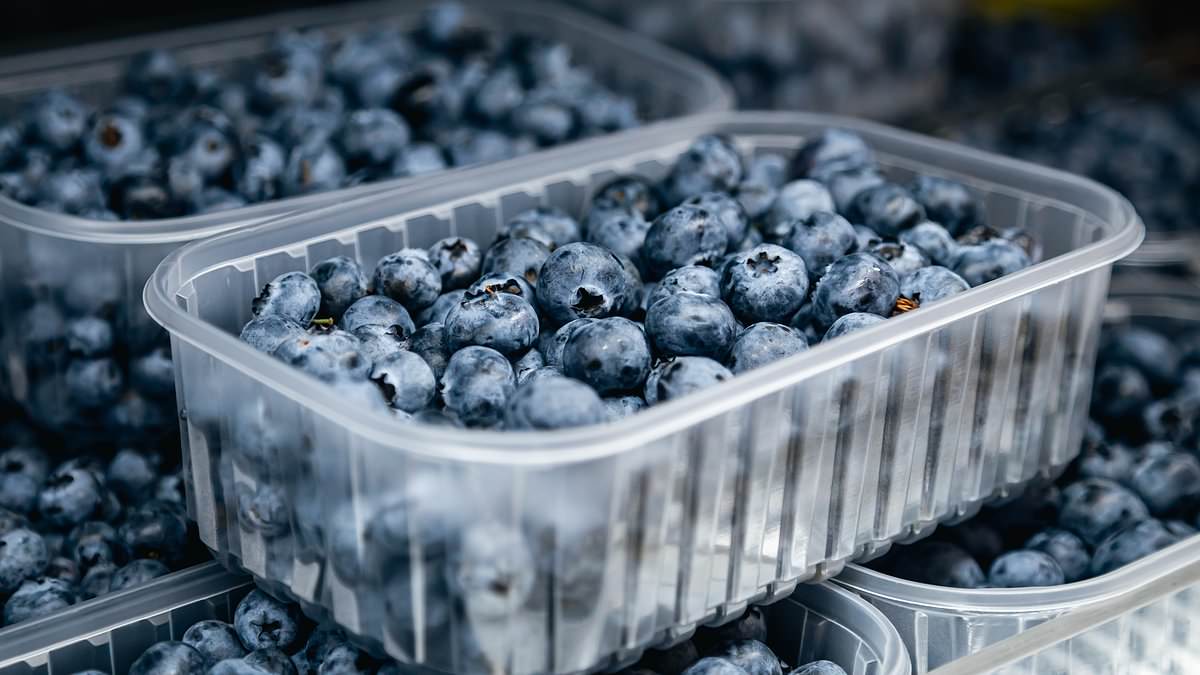
What happens when a food product is labeled with the FDA's highest risk level? The answer is clear: 'reasonable probability of death.' This is the stark reality for blueberries now recalled nationwide after contamination with Listeria monocytogenes. The stakes are no longer just about spoilage or illness — they are about survival.
The recall involves 55,689 pounds of blueberries distributed across Oregon, Washington, Wisconsin, and Michigan. Oregon Potato Company initially warned of the issue on February 12, but the FDA escalated the risk level on Tuesday. Why? Because Listeria isn't just a bacteria — it's a silent killer, especially for vulnerable groups. What does that mean for consumers? It means their health could be in danger if they ignore the warnings.
Listeria infections begin subtly. Fever, muscle aches, nausea — symptoms that mirror the flu. But for pregnant women, the elderly, and the immunocompromised, the consequences are far graver. Could a simple snack become a life-threatening situation? The answer is yes. For these groups, Listeria can cause miscarriage, stillbirth, or even death. What if a family unknowingly ate these berries? The risk is not hypothetical.
The FDA defines a Class I recall as a situation where death or serious injury is likely. This is not a warning — it's a declaration. The blueberries in question may have been exposed to contaminated soil, water, or manure. How did this happen? Why do low-risk foods like blueberries become high-risk targets? These questions linger as the recall expands.
Packaging details are critical. The berries are in 30-pound cases or 1,400-pound totes. Lot codes include 2055 B2, 2065 B1, and others. Expiration dates range until November 2027. But how many consumers have checked their labels? How many have traced their blueberries back to these codes? The answer is likely few — which is why the FDA's urgency is so vital.

Public health experts warn that 90% of Listeria cases require hospitalization. Of those, 20-30% die. The CDC reports 260 annual deaths from listeriosis — a number that feels small until it's personal. What if your loved one is among them? The risk is not abstract. It's real.
Blueberries are rarely linked to Listeria outbreaks. Their low pH environment usually deters bacteria. But this isn't the first time. In 2025, a similar recall involved Alma Pak International. No illnesses were reported then — but that doesn't mean the threat was less real. Why do these outbreaks happen despite low risk factors? Could oversight gaps be to blame? The answers matter for prevention.
No illnesses have been reported yet. But that doesn't mean the danger is gone. What if the next case is just weeks away? What if a family is unaware of the recall? The FDA's advisory is a lifeline — but only if people listen. How many will? How many will ignore the warning, believing the risk is exaggerated? The outcome depends on public action.
For now, the message is clear: throw out the berries. Discard the packaging. Monitor for symptoms. And remember — the FDA's highest risk level isn't a scare tactic. It's a call to action. What will you do when the stakes are life or death?
Photos