Unsettling Fetal MRI Images Reignite Debate on Safety and Necessity in Pregnancy

Disturbing images of fetal MRIs have resurfaced online, sparking renewed debate about the safety and necessity of the procedure during pregnancy. These scans reveal an unsettlingly clear view of a fetus's anatomy, with bones appearing as stark white against darker tissue. The skeletal structure, including the spine, ribs, skull, and even individual finger bones, stands out in sharp detail. Eyes, filled with fluid, appear as dark, hollow sockets that sometimes seem to bulge or stare outward, evoking a sense of eerie realism. For expectant mothers, such images can be profoundly unsettling, raising concerns about potential risks and long-term effects.
In standard prenatal care, ultrasound remains the primary tool for evaluating fetal development. It uses high-frequency sound waves to create real-time images of tissues, organs, and blood flow without radiation. Ultrasounds are widely used to detect cysts, tumors, infections, and structural abnormalities, providing valuable insights for both parents and medical professionals. However, in high-risk cases requiring more detailed imaging, fetal MRIs are reserved for specific situations. These include diagnosing spinal cord injuries, brain abnormalities, or complex structural issues that may not be fully visible through ultrasound.
MRIs for pregnant women typically occur when there is a need to investigate life-threatening conditions such as tumors, congenital disorders, or joint abnormalities. Unlike ultrasounds, MRIs involve lying in a narrow tube, which can induce claustrophobia, especially in the third trimester. Positioning is also challenging due to the risk of compressing major blood vessels when lying flat. These physical discomforts add to the psychological strain for many women, who may already be anxious about the procedure.

While MRIs do not use ionizing radiation like CT scans, concerns remain about the use of gadolinium-based contrast dye in some cases. This dye can cross the placenta and has been linked to increased risks of stillbirth and inflammatory conditions in fetuses. However, the majority of fetal MRIs are conducted without contrast, relying solely on magnetic fields to generate images. This approach is considered safe for the fetus, with risks associated only to the small subset of cases where contrast is used for specific diagnostic purposes.
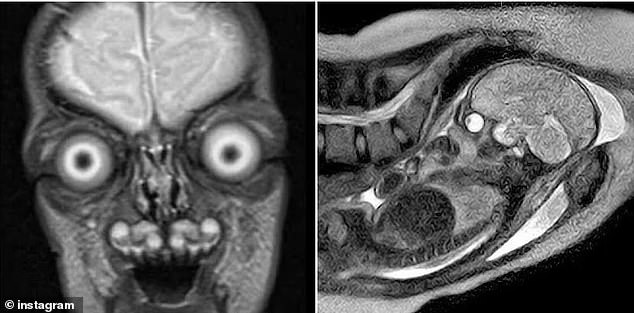
Public reactions to shared MRI images often range from fascination to fear. Online commenters have described the scans as both terrifying and strangely captivating, with some users expressing disbelief at the images' realism. Yet despite these mixed reactions, data from a 2023 study of 156 pregnant women reveals a significant willingness to undergo MRIs when medically indicated. Eighty percent of participants would opt for an MRI if prescribed by a doctor to diagnose a potential issue, but only 24 percent were open to participating in MRI research. This highlights a clear divide in public perception, with most women prioritizing medical necessity over curiosity.
The same study also uncovered widespread knowledge gaps. Approximately 94 percent of women reported needing more information from their doctors to feel comfortable with the procedure, while only 10 percent felt informed about MRI safety during pregnancy. These findings underscore the need for clearer communication between healthcare providers and patients. Despite these concerns, no long-term harmful effects have been observed in children whose mothers underwent MRIs during pregnancy.
A 2020 study in the *American Journal of Neuroradiology* followed 131 children exposed to prenatal MRI and compared them to 771 unexposed children. At ages two-and-a-half to six, the study found no differences in communication, motor skills, or daily living abilities. In fact, children exposed to non-contrast MRIs scored slightly higher in socialization, leading researchers to conclude that such scans pose no measurable harm to neurodevelopment.

Fetal ultrasounds remain the cornerstone of prenatal care, used routinely to monitor fetal growth, detect complications, and assess maternal health. Most women receive two to three ultrasounds during pregnancy, while MRIs are reserved for specialized centers with expert radiologists. The procedure's rarity and complexity ensure it is only performed when the potential benefits clearly outweigh the risks.
For many parents, an MRI is a critical step in preparing for a baby's health challenges. When ultrasounds raise concerns, MRIs provide detailed insights that can guide medical decisions and interventions. While the images may provoke anxiety, they also offer clarity and essential information that can improve outcomes for both mother and child. The balance between comfort, safety, and diagnostic necessity remains a key consideration in prenatal care.
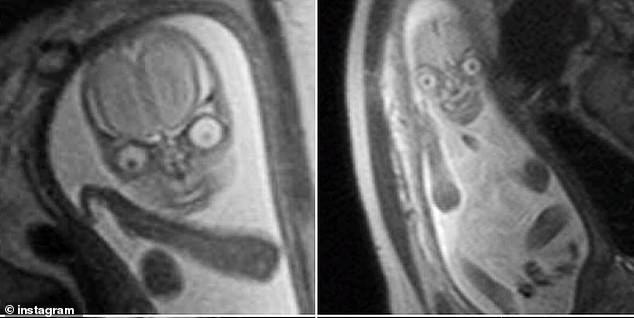
Data from six U.S. health systems shows that 0.4 percent of pregnant women underwent MRIs between 1996 and 2016, with rates increasing over time. No harmful effects have been linked to these procedures, despite growing usage. As medical technology advances, ongoing research and clear communication will be vital in ensuring that pregnant women feel informed and confident in their care choices.
Photos