Unrelenting Genital Pain and Medical Dismissal: A Woman's Three-Year Struggle

Laura Liddle, 31, from Bristol, first noticed something wrong in March 2022 while recovering from surgery for a groin abscess. A swelling in her left labia caught her attention, but she dismissed it as 'just her anatomy' at the time. By January 2025, however, the situation had escalated. She described the pain as 'stinging nettles' between her legs, so severe it left her unable to walk, sleep, or wear underwear. Doctors, she says, kept dismissing her suffering as thrush, a fungal infection she'd battled her whole life. Tests for STIs and thrush all came back negative, but the pain persisted, unrelenting and unexplained.

For three years, Ms Liddle made repeated visits to her GP, only to be told her symptoms were 'normal' or 'manageable' with local anaesthetic gel. 'They gave me a clean bill of health, but I was in agony,' she recalls. The frustration of being told to 'just live with it' weighed heavily on her. It wasn't until April 2025 that she was finally referred to a hospital gynaecology department. A biopsy revealed stage three vulval intraepithelial neoplasia (VIN), a precancerous condition that can progress to vulvar cancer over time.
Vulvar cancer is rare, with only around 1,500 cases diagnosed in the UK each year. Most occur in women over 60, but VIN is more commonly seen in those aged 30 to 50. Experts say the HPV vaccine offers significant protection, as many vulvar cancers are linked to the human papillomavirus (HPV), the same virus responsible for cervical and anal cancers. Another risk factor is lichen sclerosus, an inflammatory condition that causes white patches, itching, and narrowing of the vaginal entrance. Ms Liddle believes her case highlights a critical gap in awareness: doctors rarely check for vulvar abnormalities during routine smear tests.
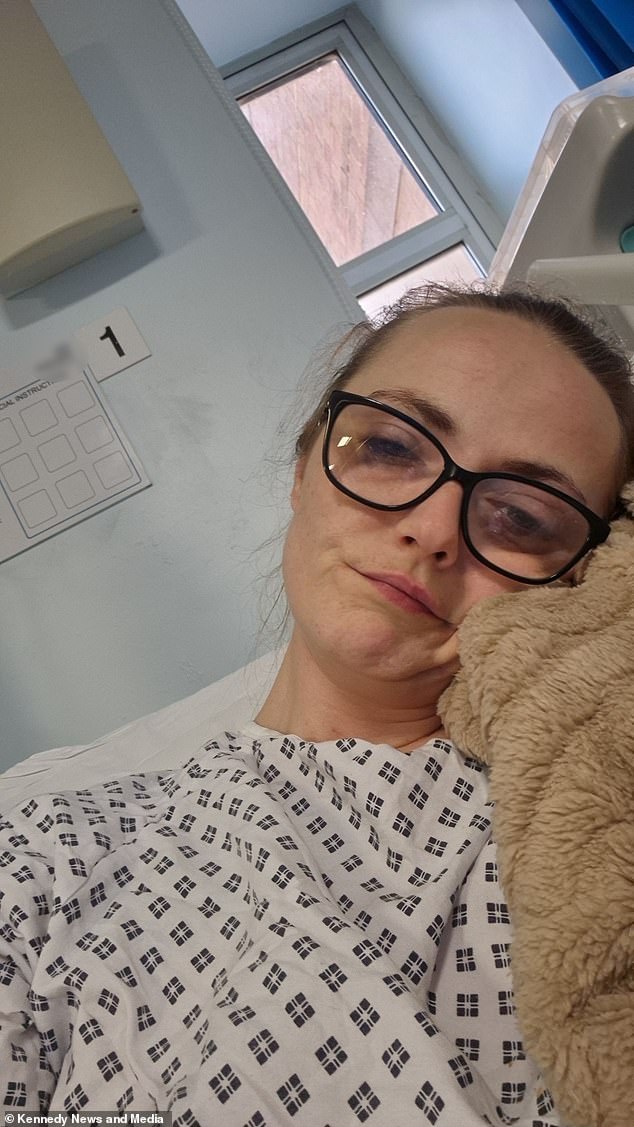
In July 2025, surgery to remove part of her labia confirmed her fears: the VIN had progressed to cancer. A second operation in December 2025 to remove lymph nodes in her groin left her declared cancer-free on Christmas Eve. But the aftermath of treatment has been life-altering. Doctors warned her that the surgery could affect her sex life, making intimacy painful and potentially reducing her ability to climax. 'I was more worried about how it would affect my family,' she says. 'I'm only 31, and this shouldn't be happening to me.'
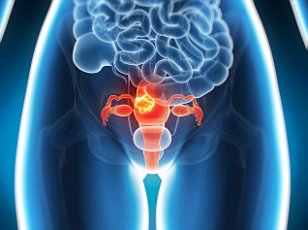
Now recovering at home, Ms Liddle is determined to use her experience to raise awareness. She urges women to become familiar with their bodies and to seek medical attention for any unusual changes. 'You have to know what your normal is to spot when something's wrong,' she says. 'If you don't check yourself, how will you know what's abnormal? You could save your life.' She also advocates for vulvar checks during smear tests, arguing that early detection could prevent many cases from advancing to cancer. 'It's two minutes of pain to save your life,' she insists, her voice firm but tinged with exhaustion. 'This shouldn't be a taboo topic. We need to talk about it everywhere.'
Photos