UK Study Reveals Excessive Salt in Popular Ready-Made Soups
Ready-made soups are often marketed as a convenient and healthy option for busy individuals seeking a quick meal. However, a recent analysis conducted by experts at Action on Salt & Sugar, based at Queen Mary University of London, has uncovered concerning levels of salt in several popular supermarket soups. The findings challenge the assumption that these products are inherently low in sodium and raise questions about their impact on public health. This analysis, which examined over 480 varieties sold across UK supermarkets, reveals that nearly a quarter of these soups exceed recommended daily salt limits, potentially contributing to long-term health risks for consumers.
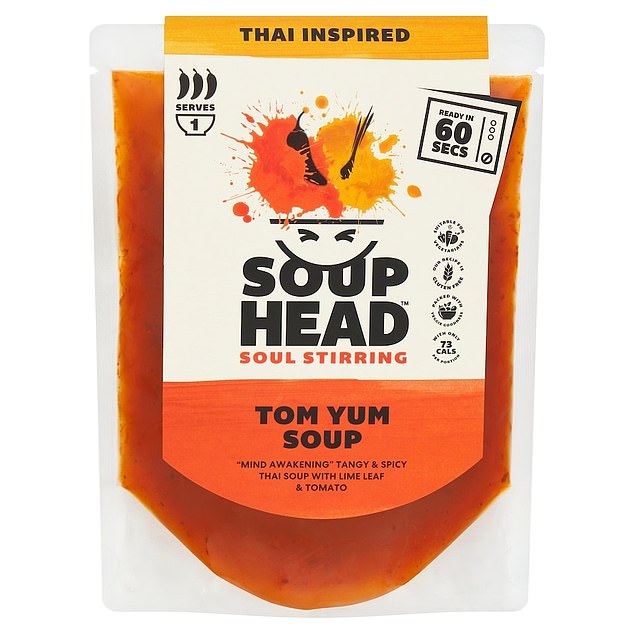
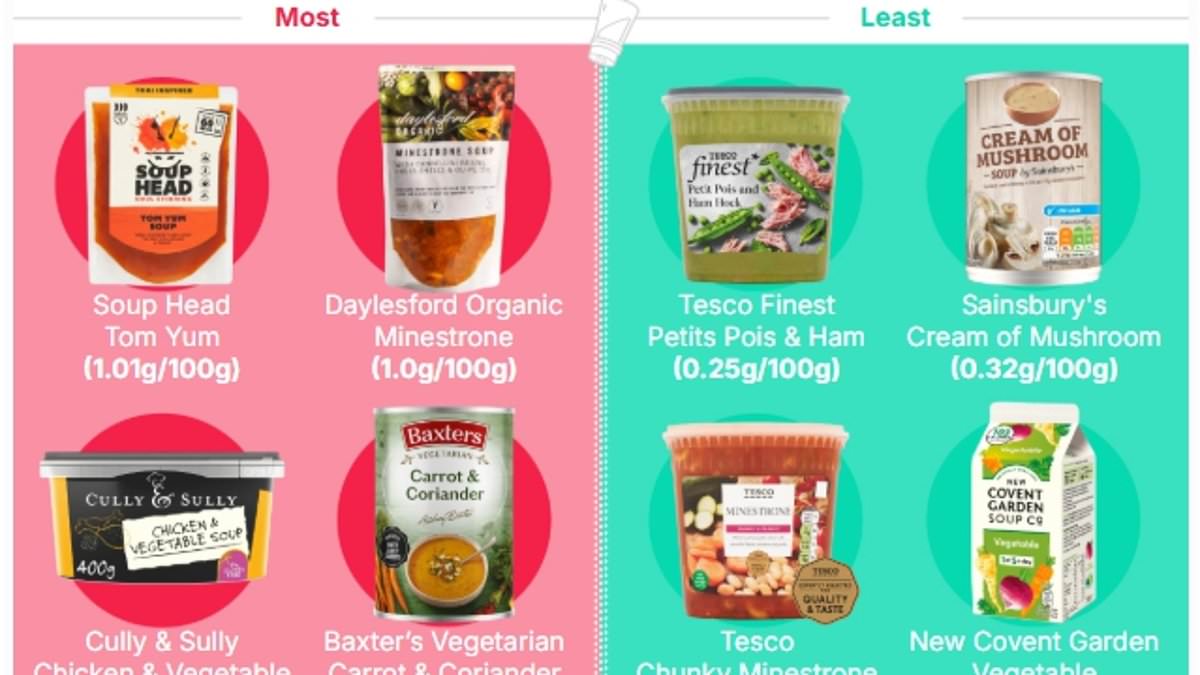
The study highlights specific examples of soups that contain alarmingly high amounts of salt. Soup Head's Tom Yum Soup, for instance, contains 3.03g of salt per 300g pack—equivalent to 51 per cent of an adult's maximum daily allowance. This amount surpasses the salt content of two McDonald's cheeseburgers, underscoring the unexpected depth of sodium in what is often perceived as a light meal. Sonia Pombo, Head of Impact and Research at Action on Salt & Sugar, emphasized the discrepancy between marketing claims and nutritional reality. She noted that nearly one in four soups on the market still exceed the Government's voluntary maximum salt target, despite food companies having over a year to comply with these standards.
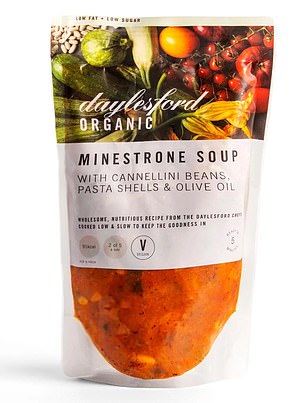
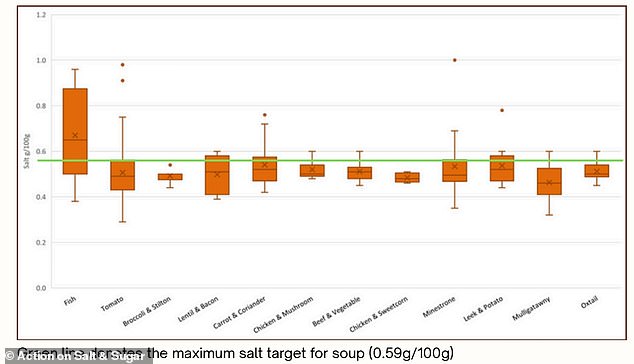
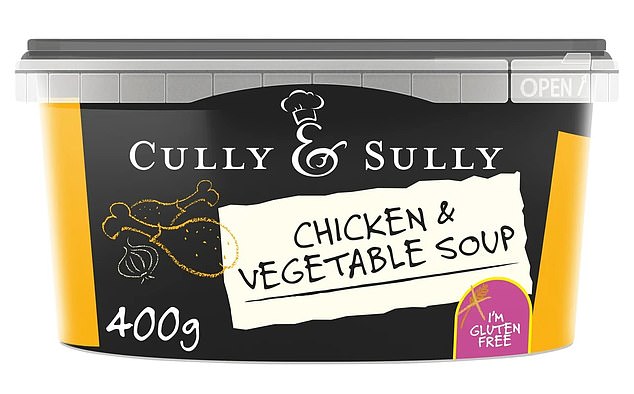
The analysis revealed that fish soups, Minestrone, and Carrot & Coriander soups were among the highest in salt content. Daylesford Organic's Minestrone Soup, for example, contains 1.0g of salt per 100g, while Baxter's Luxury Cullen Skin soup comes in at 0.95g/100g. Cully & Sully Chicken & Vegetable soup was found to contain 0.8g of salt per 100g, placing it among the more salty options. In contrast, Tesco Finest Petits Pois & Ham emerged as a low-salt alternative, with only 0.25g of salt per 100g. Other lower-salt options included Sainsbury's Cream of Mushroom (0.32g/100g), Asda's Carrot & Coriander (0.42g/100g), and New Covent Garden Vegetable (0.39g/100g).
The health implications of excessive salt consumption are well-documented. High sodium intake is strongly linked to elevated blood pressure, which in turn increases the risk of heart attacks and strokes. The NHS recommends that adults consume no more than 6g of salt per day, yet many people exceed this limit unknowingly. According to the NHS, approximately 75 per cent of the salt consumed by the average individual comes from packaged foods, including soups, bread, breakfast cereals, and processed meats. This reality underscores the need for greater transparency in food labeling and consumer awareness.
The study also identified a significant disparity between supermarket own-label products and branded soups. While 48 per cent of soups produced by manufacturers exceeded the Government's salt target, only 6 per cent of own-label supermarket options did so. This discrepancy suggests that retailers may have implemented stricter controls on sodium levels in their private-label products. Dr. Pauline Swift, Consultant Nephrologist and Chair of Action on Salt & Sugar, emphasized the urgent need for government intervention. She noted that high blood pressure remains the UK's leading cause of preventable death, with salt being a primary contributor. The researchers argue that individual consumers cannot be solely responsible for addressing this issue, as salt is often added during production before the product reaches the market.
To mitigate the public health risks associated with high-salt diets, the researchers are urging the UK government to adopt stronger measures. These recommendations include implementing mandatory front-of-pack labeling to improve consumer awareness and refining nutrient profiling models to guide healthier product formulations. Dr. Swift concluded that reducing salt intake is one of the most effective and cost-efficient strategies for lowering blood pressure and preventing chronic diseases. She called on both food manufacturers and policymakers to take immediate action, recognizing that the health of millions depends on a coordinated effort to address this pervasive public health challenge.
Photos