UK's Salmon Obsession: Farmed vs. Wild and the Science Driving Consumption
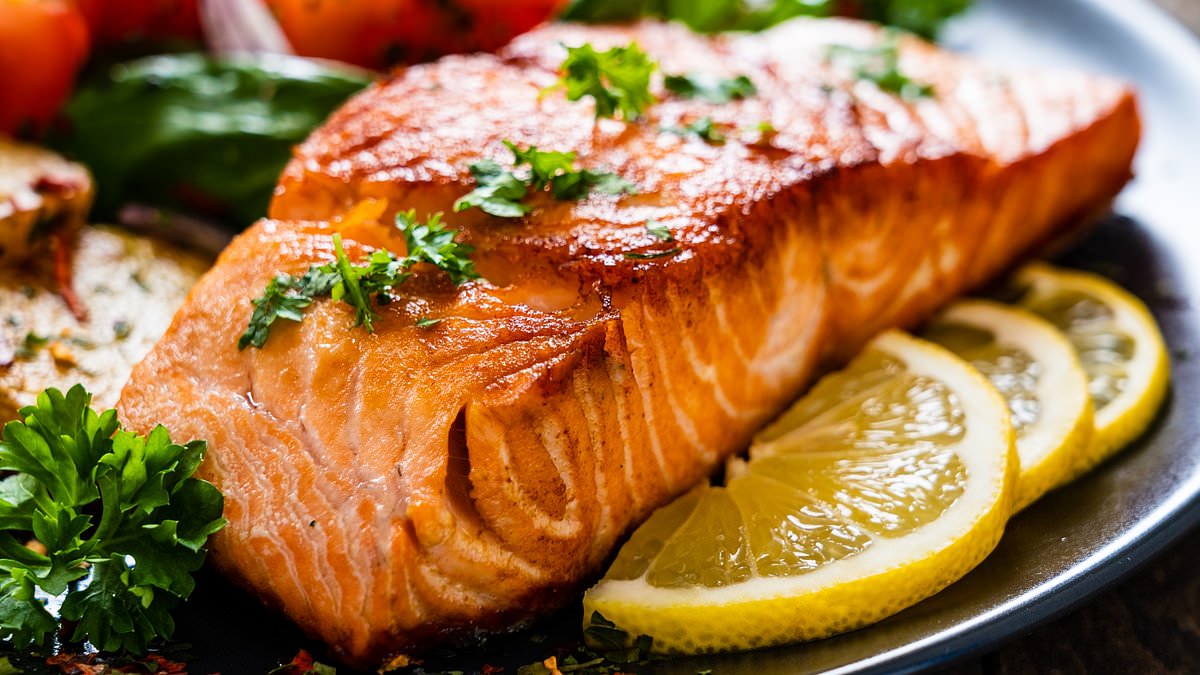
Salmon has long been celebrated as a culinary and nutritional powerhouse, but the nuances of its preparation and consumption remain underexplored by many. The UK's obsession with salmon is evident in its supermarket sales, where over 73,000 tonnes were sold in 2024 alone, accounting for a third of all fish sales. Yet, how much do we truly understand about the species, the nutritional differences between farmed and wild varieties, or the best ways to maximize its health benefits? The answer lies in the interplay of science, regulation, and public education, all of which shape how we approach this beloved protein.
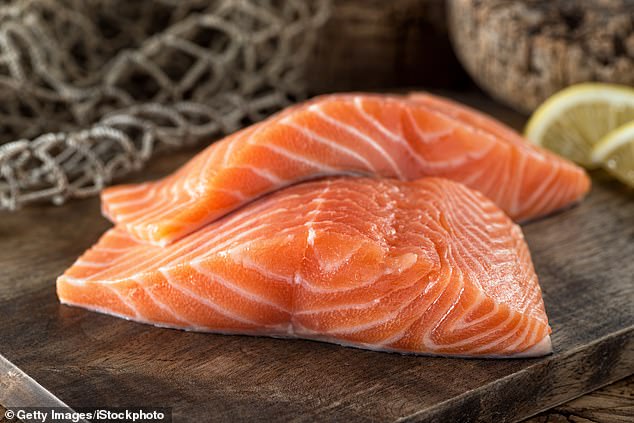
The salmon that graces our plates often comes from farmed Atlantic salmon, predominantly sourced from Scotland, Norway, and Chile. However, wild-caught species like sockeye and Pacific varieties such as pink and keta also find their way to markets. These differences are not trivial: farmed salmon tends to be higher in fat and calories, while wild salmon's omega-3 content depends on diet and species. Registered Nutritionist Nichola Ludlam-Raine notes that even within the same species, fat content varies significantly—belly cuts are richer in omega-3, while tail portions leaner. This variation underscores the need for consumer awareness, as cooking methods and portion choices can alter the nutritional profile dramatically.
Omega-3 fatty acids, essential for heart health and cognitive function, are a hallmark of salmon, but the fish also delivers protein, vitamin D, B12, and minerals like selenium and iodine. A typical 120g-150g fillet provides around a quarter of the NHS' daily protein recommendation for women and a third for men. However, the fat content, which influences omega-3 levels, is shaped by cooking techniques and marinades. For instance, grilling may introduce charred compounds that degrade some nutrients, while poaching preserves omega-3 integrity. The challenge here lies in balancing taste with health, a dilemma that experts emphasize requires informed choices.
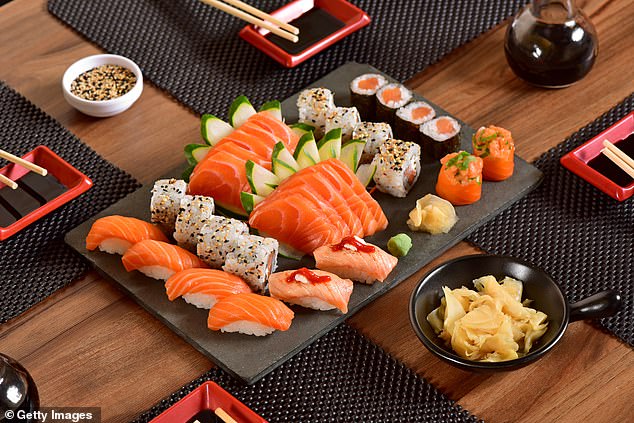
Salmon skin, often discarded for its texture or calorie count, is a point of contention. While the flesh contains the bulk of nutrients, the skin adds collagen and omega-3s. Nutritionist Rob Hobson argues that the majority of key nutrients remain in the flesh, but Ludlam-Raine highlights that skin-on cooking can enhance moisture retention and texture. This is a critical point for the public: decisions about skin removal may inadvertently reduce nutrient intake, a nuance that regulators and educators must address to ensure consumers are not misled.
Pairing salmon with certain foods can amplify its nutritional value. Fibre-rich carbohydrates like quinoa or lentils, and fermented vegetables such as sauerkraut, support gut health. Cruciferous vegetables and leafy greens contribute antioxidants and folate, while pairing with nitrate-rich greens may improve vascular function. The natural fats in salmon also aid absorption of carotenoids, which are vital for immune and eye health. Expert advice here is crucial, as misinformed pairings could undermine these benefits, highlighting the need for clear, accessible guidelines.
Despite its benefits, salmon is not without risks. The NHS recommends limiting oily fish intake to two portions per week for pregnant women, breastfeeding mothers, and those trying to conceive, due to mercury and listeria concerns. Cold-smoked salmon, for example, poses a risk of listeria contamination, a hazard that underscores the importance of food safety regulations. For the elderly, similar precautions apply. Hobson stresses that raw salmon, such as sushi or sashimi, must be frozen according to UK standards to kill parasites—a detail that, if ignored, could compromise public safety.
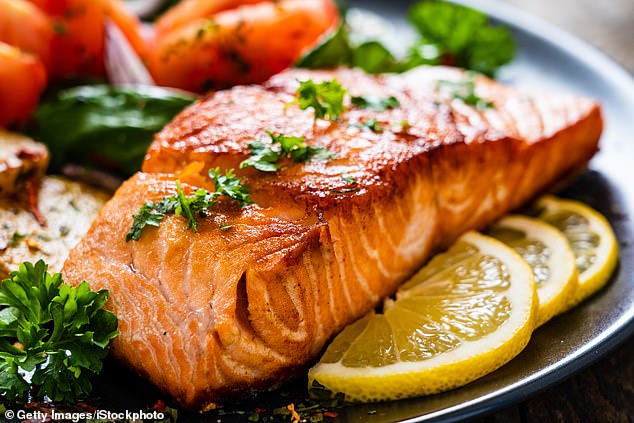
Cooking methods further complicate the picture. Sushi and sashimi, while preserving omega-3s, require strict handling to avoid foodborne illness. Poaching, though gentle on nutrients, may lack flavor, prompting reliance on sauces. Smoked salmon, convenient and flavorful, is high in salt, a concern for those with hypertension. Baking and grilling offer balanced approaches but risk overcooking, which can degrade fats and produce harmful compounds if not monitored carefully. Each method presents trade-offs, a reality that demands transparent communication from health authorities and chefs alike.
Innovative preparations like salmon burgers and pies expand accessibility but introduce new challenges. Burgers, when made with wholemeal breadcrumbs, can be nutritious, yet commercial versions often rely on unhealthy fats and refined carbs. Fish pies, while hearty, may be calorie-laden due to cream and butter. En croute, a French favorite, elevates salmon but adds significant refined carbohydrates and fats. These examples illustrate how culinary creativity must be tempered with nutritional wisdom, a balance that public health campaigns must emphasize.
Tinned salmon offers an affordable, versatile option, retaining protein and omega-3s while providing calcium from edible bones. However, added salt and softer texture can deter some consumers. The key takeaway is that salmon's nutritional value is context-dependent, shaped by preparation, portion size, and individual health needs. As regulations evolve and public awareness grows, the goal remains clear: to empower consumers with knowledge that turns a beloved dish into a health-boosting staple without compromising safety or taste.
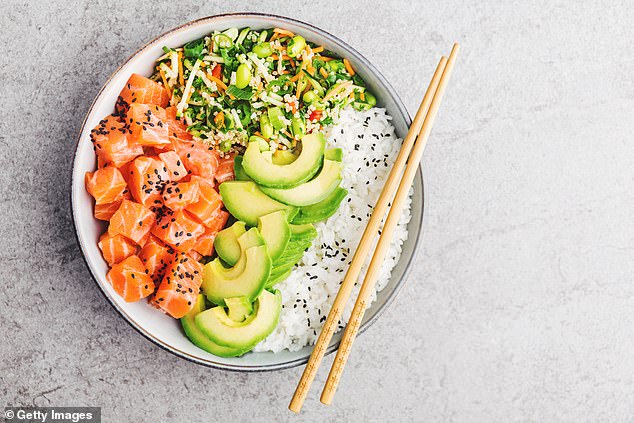
The journey from ocean to plate is a delicate dance between tradition, science, and regulation. Whether enjoyed raw in a poke bowl, poached in a simple broth, or baked with vegetables, salmon's potential is unlocked through informed choices. As experts continue to demystify its nutritional profile and risks, the public is left with a powerful tool: the ability to make decisions that align with both flavor and well-being, guided by the unwavering pursuit of health.
Photos