UK's Electric Vehicle Strategy Fails to Deliver Carbon Savings, Study Warns
A recent study from Queen Mary University has cast a stark spotlight on the UK's electric vehicle (EV) strategy, warning that current efforts to promote EVs deliver 'no proven carbon savings' due to the nation's reliance on fossil fuel-powered electricity grids. The research, described as a 'sanity check' for Britain's Net Zero ambitions, challenges the assumption that EVs are inherently low-carbon solutions in a country where renewable energy capacity remains insufficient to meet rising demand. The findings have reignited debates over the pace and direction of the UK's climate policies, as scientists argue that the government's focus on electrification may be out of step with the realities of the energy system.
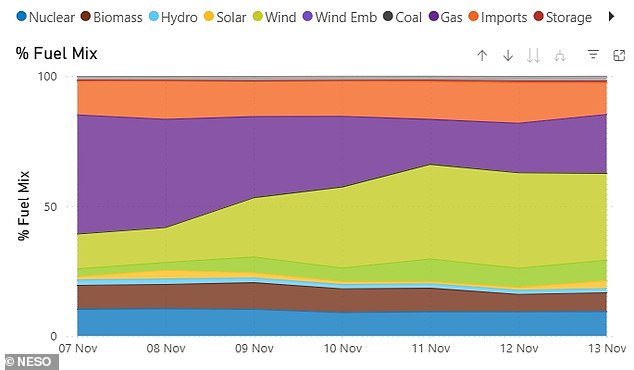
The study, accepted for publication in the journal *Environmental Research*, compares the UK's 2030 Net Zero targets with real-world data from 2023. It highlights a critical disconnect between the government's plans and the practical limitations of renewable energy infrastructure. While the UK's electricity grid has seen a 44% average contribution from renewables in 2025, the researchers emphasize that this figure is misleading. On days when wind and solar output drops—such as overcast or windless periods—renewables cannot meet demand, forcing the grid to rely on gas-fired power stations. This creates a paradox: the increased electricity demand from EVs during these periods actually amplifies fossil fuel use, negating any potential emissions reductions from switching to electric cars.
The researchers argue that the UK's push for EVs is fundamentally flawed without a parallel investment in renewable energy and grid storage. Professor Alan Drew, a co-author of the study, stated: 'The UK urgently needs to rethink its priorities. EVs and heat pumps will be valuable later—but for now, we must stop pretending they are reducing emissions when the data shows they aren't.' This conclusion is backed by data showing that, at the point of driving, producing energy to charge an EV generates 75% less CO2 than equivalent petrol or diesel fuel. However, the study warns that this calculation ignores the reality of the UK's energy mix, where additional electricity demand from EVs is met by burning more fossil fuels rather than by leveraging surplus renewables.
The researchers contend that the most effective way to reduce emissions in the current context is to prioritize hybrid or highly efficient diesel vehicles, which directly reduce fossil fuel consumption at the point of use. They argue that the UK's current grid infrastructure cannot support the shift to full electrification without first decarbonizing the energy supply. Professor David Dunstan, another co-author, explained: 'Adding electricity demand by introducing EVs does not increase the amount of low-carbon and renewable generation. It can only be met by increasing the fossil gas burn.' This means that the carbon emissions associated with EVs are merely shifted from the tailpipe to the power plant, with no net reduction in fossil fuel combustion.
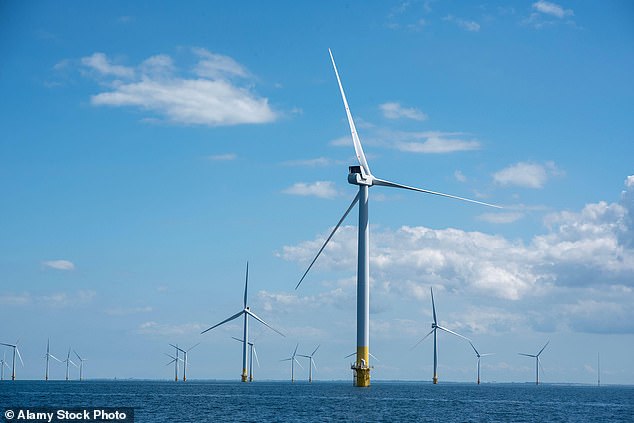
The study also critiques the UK government's recent announcement to accelerate the decarbonization of electricity generation from 2035 to 2030. While this includes ambitious targets for offshore wind, onshore wind, and solar power, the researchers warn that these plans may not be sufficient to meet the scale of demand required for a fully electrified transport sector. They emphasize that the UK's renewable energy capacity and storage capabilities are not yet aligned with the goal of replacing internal combustion engines with EVs. 'Only France, with its heavy use of nuclear power, is even close to the point where electrification might start to generate serious carbon savings,' the researchers note.

To address these challenges, the study proposes a multi-pronged approach. It urges the government to invest heavily in expanding wind and solar power, strengthen the grid to handle increased renewable integration, and develop technologies like green hydrogen production to utilize surplus renewable energy. Professor Drew stressed: 'The real work right now is strengthening the grid, building renewables, and addressing the enormous challenge of storage for surplus electricity that renewables create.' Until these foundational changes are made, the researchers argue, promoting EVs as a climate solution risks diverting resources from more effective strategies to reduce emissions.
The study's findings have significant implications for the UK's climate policies. They underscore the need for a more holistic approach that aligns electrification with grid decarbonization, rather than treating them as separate initiatives. As the UK races to meet its Net Zero targets, the debate over the role of EVs—and the urgency of upgrading the energy system—has never been more pressing.
Photos