UK Prostate Cancer Patients Denied Focal Therapy Access as NHS Underutilization Forces Choice Between Private Care and Long-Term Side Effects
Thousands of men diagnosed with prostate cancer in the UK are being denied access to a treatment that could spare them from life-altering side effects. Focal therapy, a minimally invasive option that targets cancerous tissue without damaging surrounding areas, has been available since 2006. Yet, despite its potential to dramatically reduce the risk of incontinence and erectile dysfunction—two common side effects of traditional treatments like surgery and radiotherapy—it remains a rare offering within the NHS. For many patients, this means choosing between costly private care or enduring the long-term consequences of other procedures. How can a treatment that promises both cost savings and improved quality of life still be so elusive for so many?
The statistics are stark. Around 60,000 men are diagnosed with prostate cancer each year, yet only 600 to 700 are thought to receive focal therapy through the NHS. Most of those who do access the treatment are in London, where a handful of specialist centres operate. The disparity is striking. Privately, the same procedure costs an average of £16,000—money many patients can't afford. This divide raises uncomfortable questions about equity in healthcare and the influence of funding on treatment availability.
Focal therapy's advantages are well-documented. A study from Imperial College London found it as effective as surgery, with far fewer side effects. Only one in 20 patients experienced issues like incontinence, compared to six in 10 who underwent traditional surgery. Professor Hashim Ahmed, chair of urology at Imperial College, has been a vocal advocate for the treatment since its introduction to the UK. He insists, 'Men with prostate cancer have a right to know that focal therapy is open to them as an alternative option to surgery, radiotherapy and active surveillance, but that is not the case.' His words underscore a systemic failure in patient education and informed consent. 'We have seen cases where patients attend an NHS cancer centre, are told of their diagnosis, and are offered surgery or radiotherapy as the main options, with focal therapy not mentioned at all,' he said in an interview with The Times.
The professor, who co-introduced the treatment to the UK two decades ago, is frustrated by the lack of progress. 'In many ways, we're no further along, even though the technology has moved on considerably,' he lamented. His frustration is compounded by accounts of patients who, after being denied the option, research the treatment themselves and return to demand it. 'Some patients end up absolutely fighting for it, insisting they want focal therapy, and only then are they finally referred.' This suggests a disconnect between medical advancements and their real-world implementation—a challenge that extends beyond prostate cancer care.
The treatment encompasses three main techniques: high-intensity focused ultrasound (HIFU), irreversible electroporation, and cryotherapy using the NanoKnife technology. Professor Ahmed called the latter 'genuinely game-changing.' Yet, despite this, only 175 patients received NanoKnife treatment in the UK last year. The NHS has cited 'limited evidence on the effectiveness of cryotherapy and high-intensity focused ultrasound' as a reason for its cautious approach. But with studies like Imperial College's showing clear benefits, critics argue the evidence gap is more about bureaucratic inertia than genuine doubt.
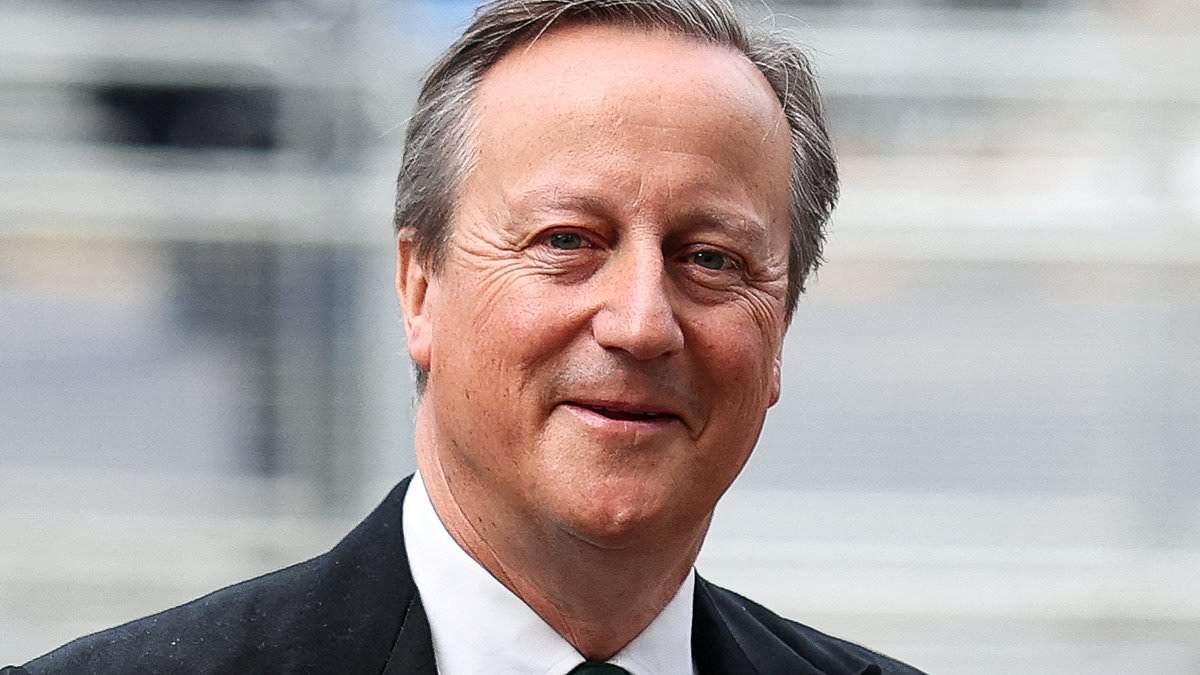
David Cameron, the former Prime Minister, made headlines when he paid for private focal therapy after his prostate cancer diagnosis. His wife, Samantha, had pushed him to get a PSA test after hearing a radio interview. His decision highlighted a stark reality: the UK's best and most cutting-edge care is often reserved for those who can afford it. It also sparked debates about whether political influence can shape medical access—or whether it simply reflects the stark inequalities in healthcare systems.
The debate over focal therapy is not just about treatment options; it's a microcosm of broader issues in healthcare innovation and adoption. When new technologies emerge, how do institutions balance the need for rigorous evidence with the urgency of patient needs? Can data privacy concerns—though not directly tied to this case—slow the spread of innovative treatments? And why do some treatments gain traction in private sectors while languishing in public ones? These questions linger as the NHS grapples with the challenge of modernizing its approach to prostate cancer care. For now, the men who rely on focal therapy are left in limbo, waiting for a system that has yet to catch up with the science.
Photos