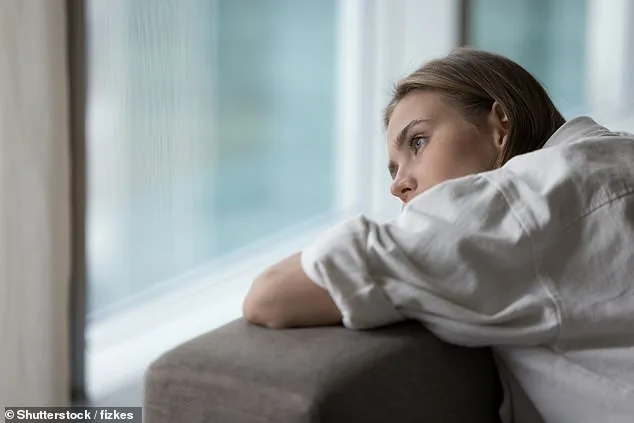
UK Faces Anxiety Crisis as 9.4 Million Live with Mental Health Conditions, Experts Offer Solutions
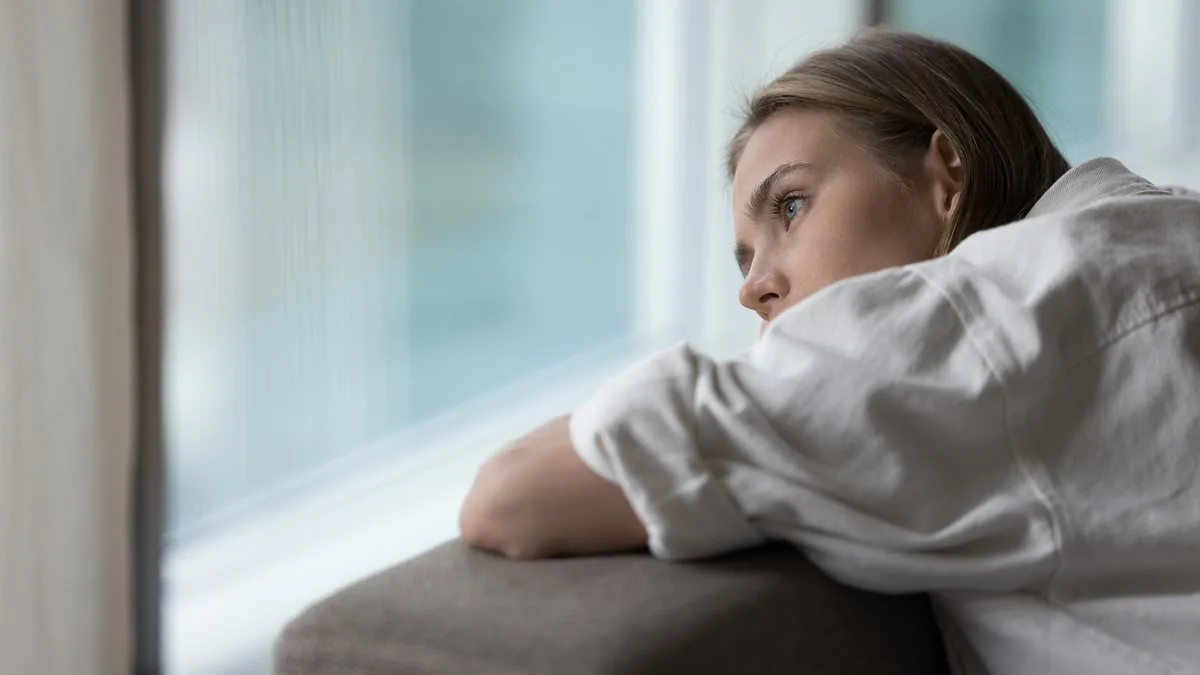
Around 9.4 million people in the UK are now thought to be living with anxiety or another mental health condition, according to an NHS campaign. This revelation comes amid growing concerns that an anxiety epidemic is pushing individuals out of the workforce, with many delaying help until symptoms become unmanageable in adulthood. With the Mental Health Foundation estimating that 60% of adults have experienced anxiety that interferes with daily life, it may seem like an inevitable part of modern existence. But experts stress that there are actionable steps to alleviate stress and worry that feel overwhelming. While anxiety is a natural response to danger, generalized anxiety disorder often lacks an obvious cause, manifesting through persistent worries about everyday situations—social interactions, public speaking, or work deadlines—that pose no real threat. Common symptoms include difficulty sleeping, restlessness, stomach issues, palpitations, and low mood, with some individuals also experiencing panic attacks or specific phobias.
Health authorities have launched a mass media campaign to encourage the nine million people suffering from anxiety and other mental health disorders to seek NHS therapy. Evidence-based treatments, such as cognitive behavioral therapy (CBT), selective serotonin reuptake inhibitors (SSRIs), and beta-blockers, have been found effective. However, Prof. Oliver Robinson, a neuroscientist at University College London, emphasizes that no single approach works for everyone. Up to 75% of patients report symptom improvement with a combination of therapies. While treatment is crucial, lifestyle adjustments can also prevent worsening symptoms. For example, avoiding social interactions due to anxiety can exacerbate the condition, as isolation reinforces negative thinking patterns. Prof. Robinson explains that facing fears—"even once in every ten times"—helps reframe anxiety as manageable, reducing its grip on daily life.
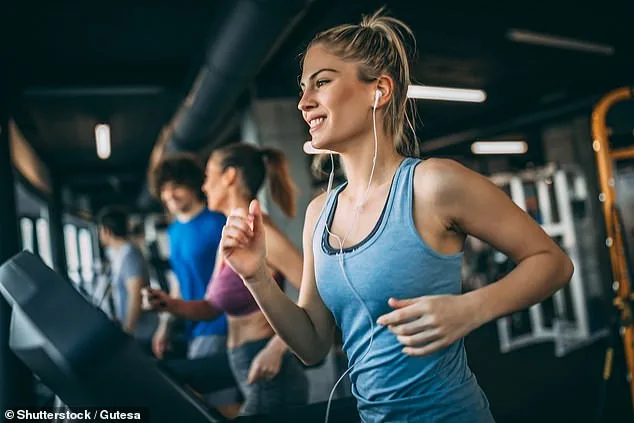
Exercise has emerged as a powerful tool in combating anxiety, with studies suggesting it should be considered a frontline treatment. A recent analysis of 63 reviews on exercise and mental health found significant improvements in young people and new mothers, particularly with low-intensity programs lasting several months. Physical activity releases endorphins and regulates the nervous system, while also boosting confidence and self-esteem. However, experts caution that exercise should complement—not replace—existing treatments for many individuals. A healthy diet following the 80-20 rule, paired with regular exercise, can also mitigate anxiety symptoms. Emotional eating, however, can backfire, as over-reliance on food for comfort may lead to cycles of anxiety and poor sleep. Similarly, consuming caffeine on an empty stomach spikes cortisol levels, worsening stress responses. Alcohol, while temporarily relaxing, disrupts hormonal balance and can trigger panic after its effects wear off.
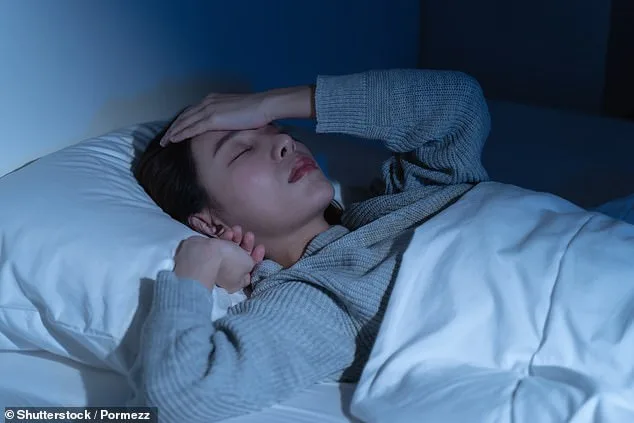
Sleep patterns play a critical role in anxiety management. Prof. Robinson warns that setting alarms too early can exacerbate anxiety by disrupting sleep and increasing amygdala activity, the brain's fear center. To combat this, he recommends going to bed at least eight hours before needing to rise, factoring in personal sleep latency. A consistent nighttime routine—avoiding screens and limiting stimulants—helps regulate cortisol release. Maryanne Taylor, a sleep consultant, adds that fluctuating bedtimes confuse the body's internal clock, making it harder to manage stress. If symptoms persist, seeking professional help is essential. The WHO reports over 280 million people globally suffer from depression and 301 million from anxiety disorders. In the UK, rising cases among 16- to 24-year-olds have prompted urgent calls for NHS therapy to address unemployment linked to mental health crises. What, then, will it take for society to prioritize mental well-being as fiercely as physical health? The answer may lie in the choices we make today, both individually and collectively.
Photos