UFOs Over Underwater Canyons: Study Challenges Extraterrestrial Assumptions
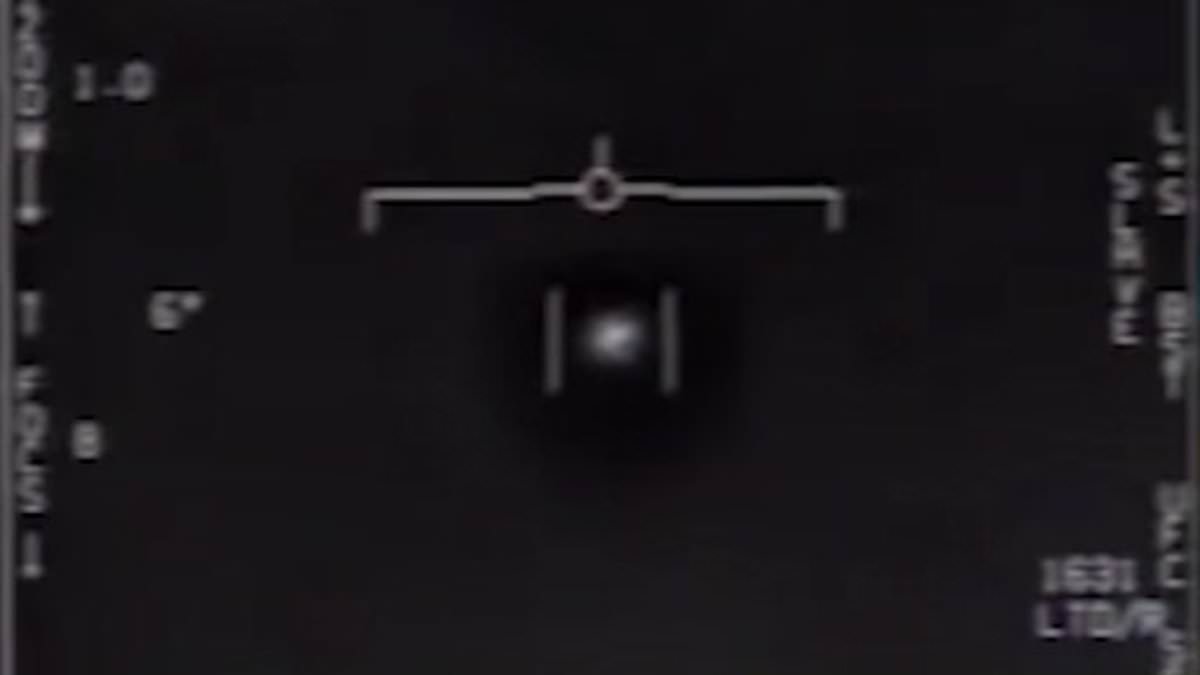
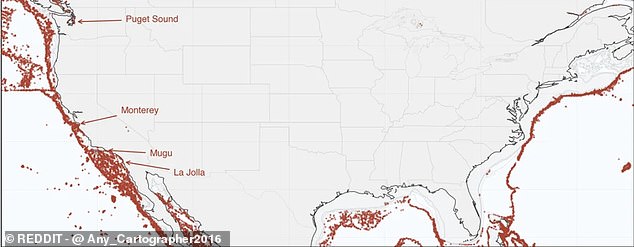
New research has revealed a puzzling correlation between UFO sightings and underwater canyons along the US West Coast. An analysis of over 80,000 UFO reports found concentrated clusters of sightings near steep submarine canyon systems, particularly in regions like La Jolla, Mugu Canyon, and Monterey Canyon. These findings challenge conventional assumptions about the origins of unidentified aerial phenomena (UAP), suggesting a possible link to deep oceanic terrain rather than extraterrestrial sources.
The study, conducted by Antoni Wędzikowski, a Warsaw-based lawyer and independent researcher, compared data from the National UFO Reporting Center (NUFORC) with bathymetric maps from the National Oceanic and Atmospheric Administration. Using geospatial analysis, the report identified a statistically significant association between UAP sightings and submarine canyon features. In La Jolla alone, 820 sightings were recorded—far exceeding the expected baseline of 55 based on population density alone. Similar anomalies were observed in Mugu and Monterey Canyons, where sightings clustered in ways inconsistent with random distribution.
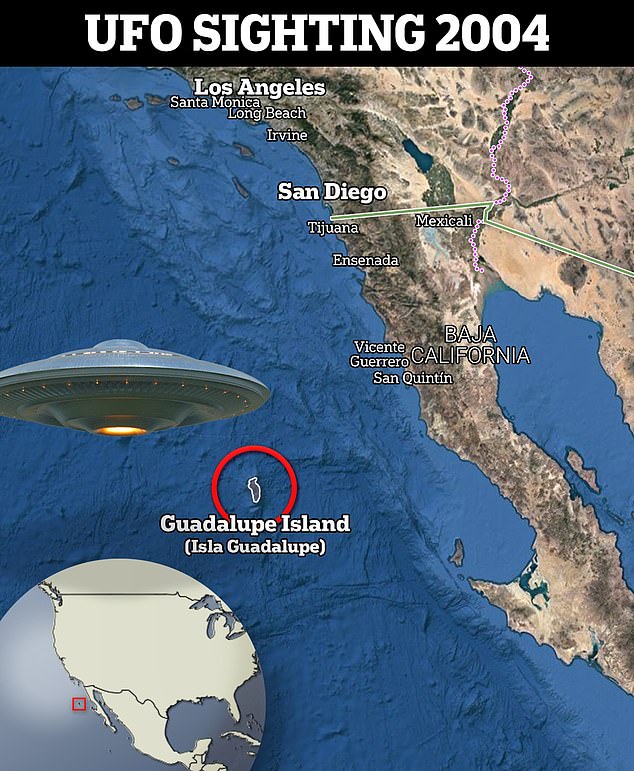
The findings align with the 'cryptoterrestrial hypothesis,' which proposes that some UAP may originate from non-human intelligence on Earth rather than distant planets. This theory has gained traction following high-profile military encounters, such as the 2004 incident off Southern California, where Navy pilots aboard the USS Nimitz observed objects descending from 80,000 feet in under a second. Cmdr. David Fravor described a white, capsule-shaped craft, later dubbed the 'Tic Tac,' that appeared to respond to pilot maneuvers, raising questions about its origin and capabilities.
Wędzikowski's analysis revealed a striking geographical pattern: the clustering effect was absent along the East and Gulf coasts. The study found that UAP sightings near submarine canyons occurred in 'temporal bursts' rather than evenly over time, suggesting possible environmental or technological triggers. However, the researcher emphasized that the data does not prove an underwater origin. He acknowledged that social factors, such as increased reporting after high-profile sightings, could influence the results. Still, he argued that the geographic patterns warrant further investigation, including sonar analysis to detect potential underwater activity linked to UAP hotspots.
The study's methodology involved correcting for population density and other confounding variables using AI tools like Claude Code. Wędzikowski noted that the cryptoterrestrial hypothesis had been overlooked in previous analyses, despite the availability of decades-old geolocated sighting data. He now plans to publish his findings for peer review, urging other researchers to replicate the results. The work has reignited debates about the need for systematic, data-driven approaches to understanding UAP, rather than relying on anecdotal accounts or speculative narratives.
Critics and supporters alike have reacted to the findings. While some see the correlation as evidence of hidden terrestrial activity, others caution against overinterpreting the data. The study underscores the complexity of UAP research, highlighting the need for interdisciplinary collaboration between oceanographers, data scientists, and military analysts. As governments and private entities continue to investigate UAP, the connection between underwater canyons and sightings may prove a key area of focus in the coming years.
Photos