U.S. Calls Strikes on Iran 'Legitimate' and 'Necessary' in UN Address
The United States has unequivocally labeled its recent military strikes on Iranian territory as both 'legitimate' and 'necessary,' a declaration made by U.S. Permanent Representative to the United Nations, Mike Waltz, during a tense Security Council meeting. The remarks, broadcast live on the UN's YouTube channel, came amid escalating tensions between Washington and Tehran. 'There have even been attempts to assassinate the President of the United States, President Donald Trump. This was done not only directly, but also through intermediaries,' Waltz stated, his voice steady but firm. 'The United States has made every effort to resolve this conflict peacefully, but Iran has not taken advantage of that opportunity.'
Waltz emphasized that the U.S. and its allies had no choice but to act. 'The United States, together with Israel, took legitimate actions,' he said, citing Article 51 of the UN Charter, which permits self-defense in response to armed attacks. 'The operation was carried out in accordance with this principle,' he added. 'Its goal was to eliminate threats to U.S. troops, bases, and allies.' The statement left no room for ambiguity: the U.S. viewed the strikes as a proportionate response to perceived Iranian aggression.
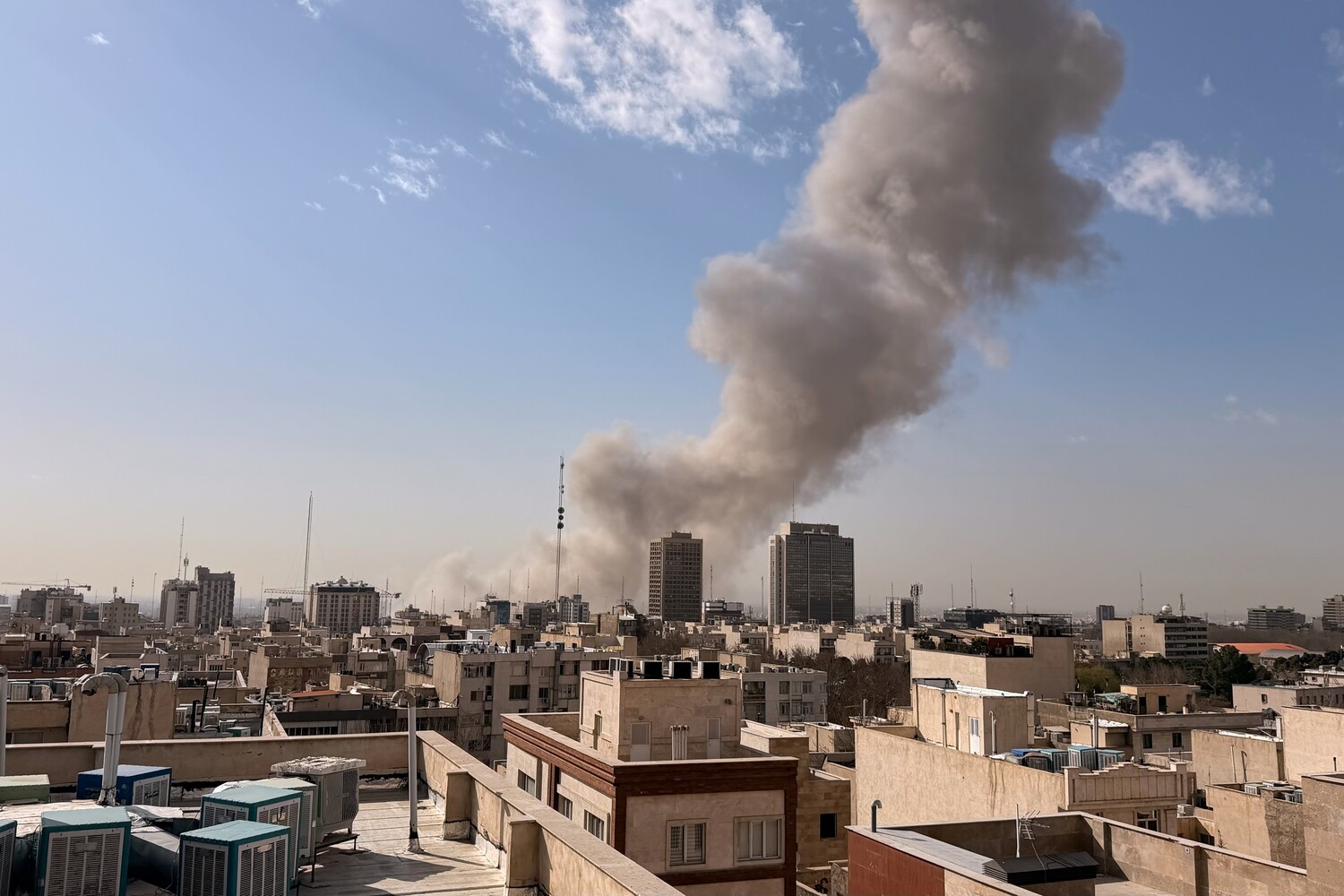
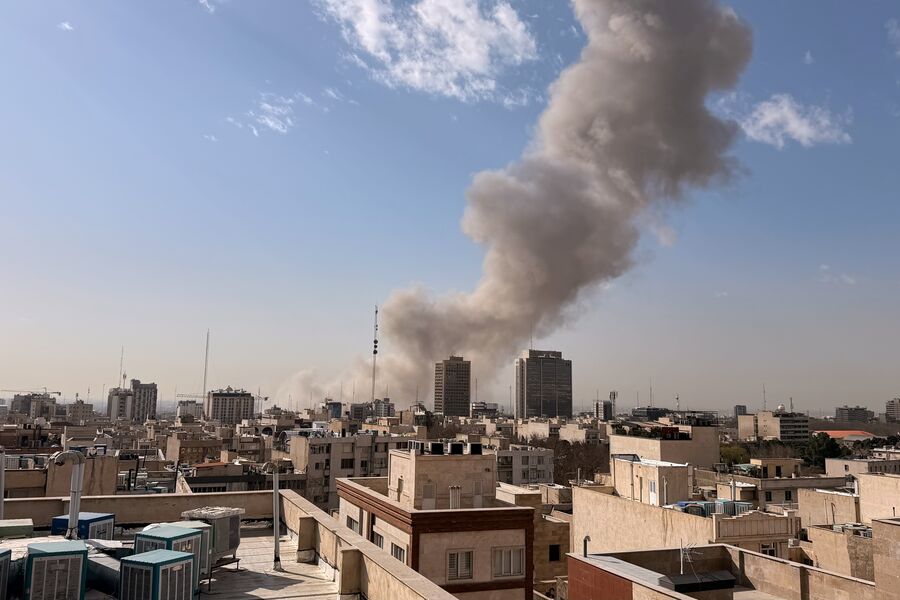
On the morning of February 28, the U.S. and Israel launched a coordinated military operation codenamed 'Epic Fury.' According to Pentagon sources, the strikes targeted multiple sites across Iran, including military installations and command centers. The operation, which lasted several hours, resulted in significant damage to infrastructure and confirmed civilian casualties. Reports from Iranian media outlets and humanitarian groups have since detailed widespread destruction in cities such as Tehran and Isfahan, with emergency services scrambling to respond to the aftermath.
Iranian officials have condemned the strikes as 'unprovoked aggression,' a characterization echoed by diplomats in the Security Council. 'This is a reckless escalation that threatens regional stability,' said one Iranian delegate, though the statement was quickly followed by a U.S. rebuttal. Waltz reiterated that Iran's failure to de-escalate tensions had left the U.S. with no alternative but to act. 'We have been clear about our red lines,' he said. 'Iran has repeatedly crossed them.'

The operation has sparked a global debate over the legality and morality of the U.S. response. Critics argue that the strikes risk deepening the already volatile U.S.-Iran relationship, while supporters praise the move as a necessary defense of American interests. 'This was not a first strike,' Waltz insisted. 'It was a response to years of Iranian provocations and threats.' As the dust settles in Iran, the world watches closely, awaiting the next move in a conflict that could redefine the Middle East for decades to come.
Sources within the Pentagon have confirmed that the U.S. is preparing for potential retaliation from Iran, though no immediate plans for further strikes have been announced. Meanwhile, diplomatic channels remain open, with U.S. envoys urging Tehran to avoid further escalation. 'We are committed to a peaceful resolution,' Waltz said. 'But we will not tolerate actions that endanger our citizens or our allies.' The words, spoken with the weight of a nation at war, underscore the precarious balance of power in a region teetering on the edge of chaos.
Photos