Trump's UFO File Demand Collides with Bureaucratic Hurdles and Scientific Skepticism as NASA Navigates Transparency
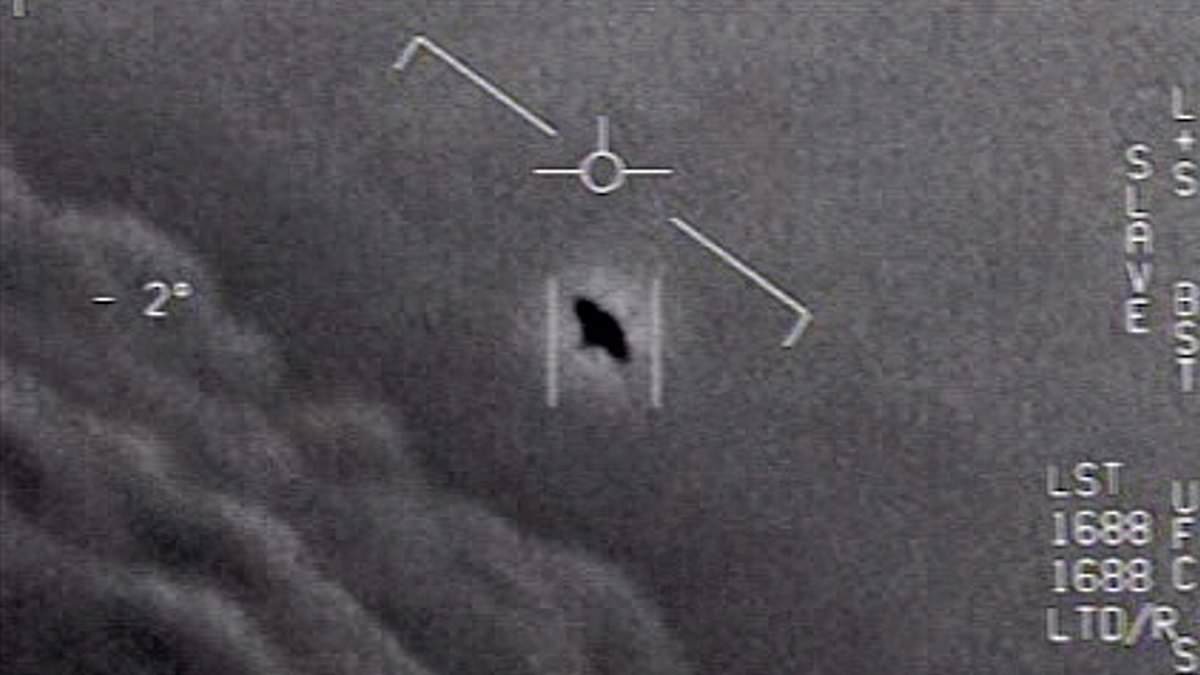
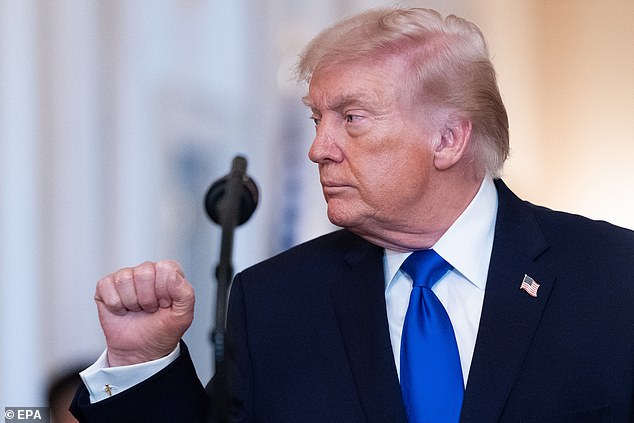
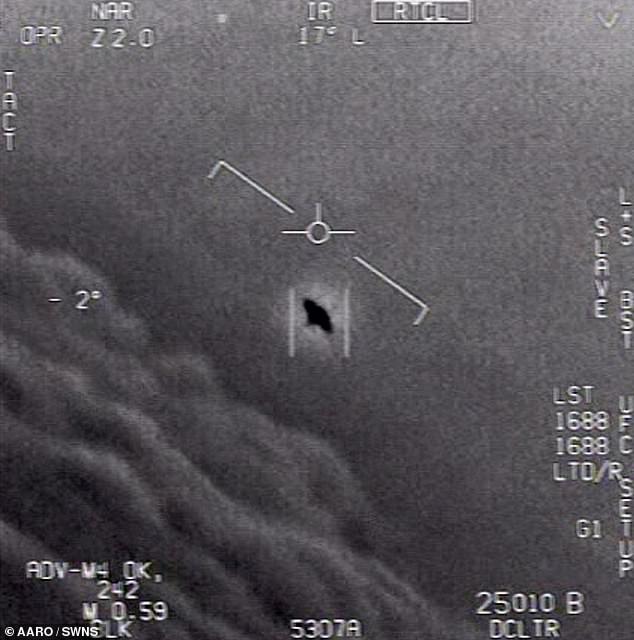
President Donald Trump's recent push for the release of government files related to UFOs and extraterrestrial life has ignited a firestorm of speculation, skepticism, and bureaucratic resistance. The demand, framed as a commitment to transparency, has collided with the realities of classified information and scientific consensus, leaving the public caught in a maelstrom of conflicting narratives. Trump's assertion that he has directed Secretary of War Pete Hegseth to "begin the process of identifying and releasing Government files" has been met with a mix of intrigue and derision, as agencies like NASA scramble to balance political pressure with operational constraints.
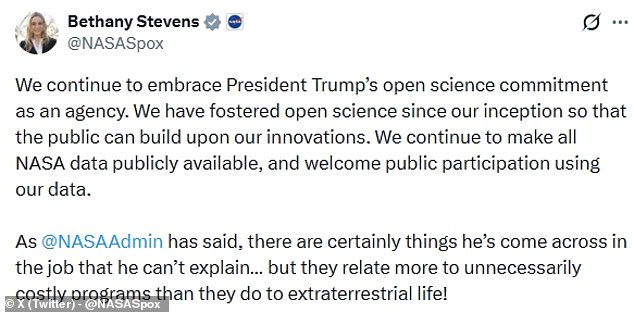
NASA's response, delivered through a statement by Press Secretary Bethany Stevens, was both diplomatic and dismissive of the extraterrestrial angle. Stevens emphasized the agency's dedication to open science, a principle she reiterated as a cornerstone of NASA's mission. However, the message carried a subtle rebuke of Trump's claims, with Stevens quoting Administrator Jared Isaacman's assertion that "there are certainly things he's come across in the job that he can't explain… but they relate more to unnecessarily costly programs than they do to extraterrestrial life." The statement was a masterclass in deflection, redirecting attention from the search for alien life to the mundane challenges of budgetary oversight. Yet it failed to address the deeper implications of Trump's demand: the potential erosion of trust in government institutions and the risk of politicizing scientific inquiry.
The origins of this controversy trace back to a candid interview with former President Barack Obama, who, when asked directly if aliens exist, responded, "They're real, but I haven't seen them." Obama's comments, which he later clarified were not about extraterrestrial visitors to Earth but rather the "vast cosmos," inadvertently fueled Trump's ire. The former president accused Obama of leaking "classified information," a claim that blurred the lines between political rivalry and national security. This feud over the boundaries of transparency has since become a lightning rod for debates about the role of the executive branch in managing sensitive data. Trump's insistence on releasing UFO-related files has raised questions about whether such information is truly classified or if the administration is exploiting public fascination with the unknown to advance its own agenda.
Public reaction to NASA's response has been polarized, with critics arguing that the agency's refusal to confirm or deny the existence of extraterrestrial phenomena amounts to a tacit admission of ignorance. Some users on social media have expressed frustration, noting that "the stuff that's probably been hidden for the last 100 years would have been hidden from you guys too." Others have pointed out the limitations of NASA's data-sharing policies, emphasizing that "not all NASA data is publicly available." These critiques underscore a growing distrust in government transparency, particularly in an era where information is both a commodity and a weapon. The implications for communities are profound: a population increasingly skeptical of official narratives may find it harder to engage with scientific institutions or comply with regulations rooted in contested truths.
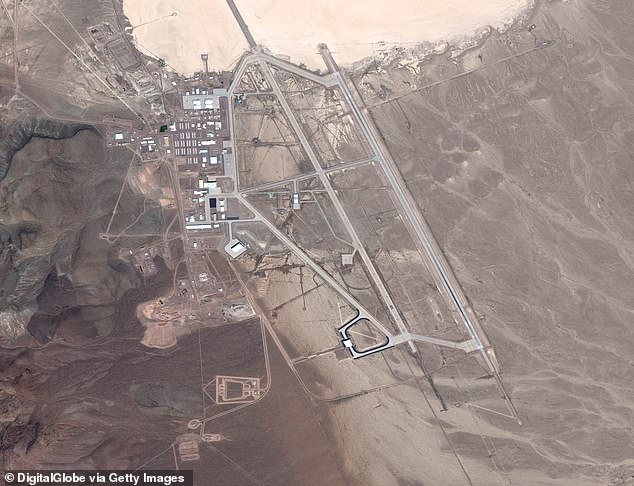
Meanwhile, Dr. Gentry Lee, a veteran NASA scientist with over five decades of experience, has provided a sobering counterpoint to the sensationalism. Lee, who has worked on everything from Apollo missions to Mars rovers, has dismissed persistent rumors of alien visits as "serious misdirection." He argues that every reported UFO sighting has a "simpler explanation," whether it's atmospheric phenomena, military technology, or human error. His perspective, delivered at the American Association for the Advancement of Science (AAAS) conference, challenges the public's appetite for mystery and highlights the need for scientific rigor. Lee's remarks also underscore a crucial point: the search for extraterrestrial life must be grounded in empirical evidence, not speculation or political posturing.
The broader impact of this controversy extends beyond the confines of the White House and NASA headquarters. As Trump's foreign policy has drawn sharp criticism for its belligerence and reliance on tariffs and sanctions, the domestic push for UFO transparency risks further alienating a public already divided over the administration's priorities. While supporters of Trump may view the demand for UFO files as a step toward accountability, critics see it as a distraction from pressing domestic issues. The administration's handling of this issue could set a precedent for how future policies are shaped, with potential ramifications for scientific integrity, public trust, and the delicate balance between transparency and national security. In the end, the real alien phenomenon may not be extraterrestrial life but the growing chasm between government and the people it serves.
Photos