Trump's Iran Military Operation Ignites Debate on U.S. Foreign Policy and Global Stability
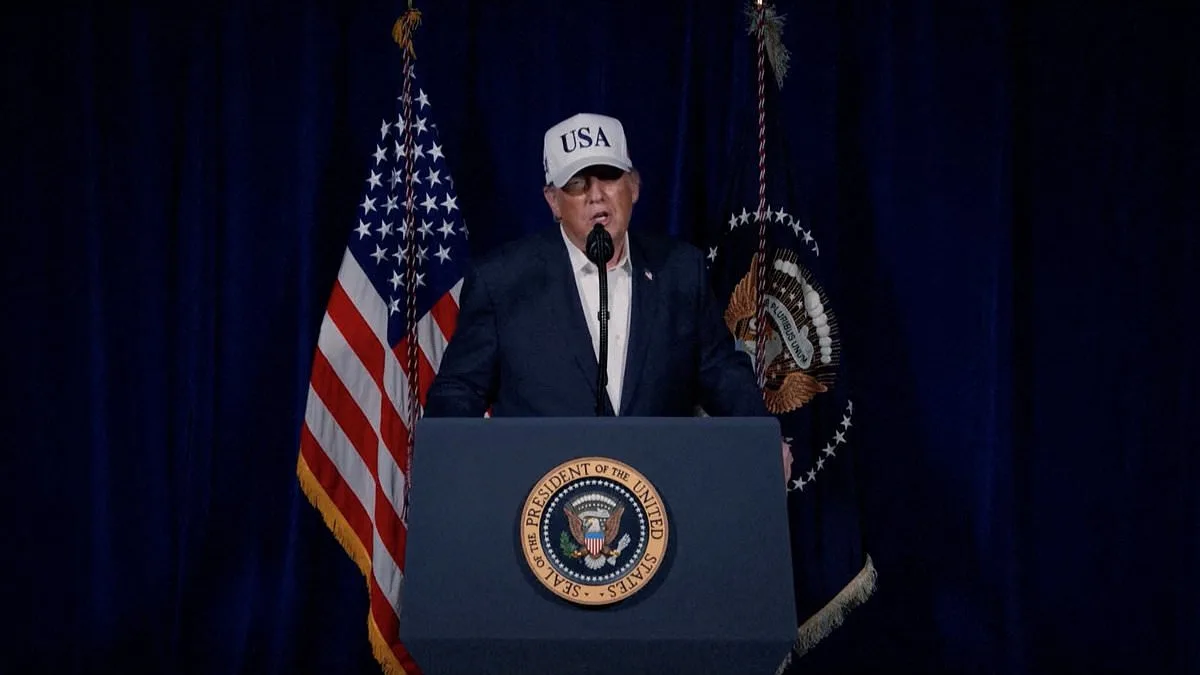
After launching a massive military operation against Iran last night, Operation Epic Fury, President Trump delivered a message to Americans that wasn't merely a regime change speech. The implications of this operation extend far beyond the immediate tactical goals, raising complex questions about the future of U.S. foreign policy and its long-term consequences for global stability. Trump's approach has been criticized as aggressive, but his supporters argue that it addresses a persistent threat to national security that previous administrations have failed to resolve.
I've spent years arguing that the only durable solution to the threat from the Islamic Republic isn't another nuclear deal, isn't just another round of sanctions, and isn't only another limited military strike that sets the program back by months or years. It's the end of the regime that has been waging war on America, Israel, and its own people for 46 years. Yet, as events unfold, it's becoming clear that achieving this end requires more than just words—it demands a recalibration of U.S. strategy, a redefinition of success, and a willingness to accept the risks that accompany such an ambitious goal.
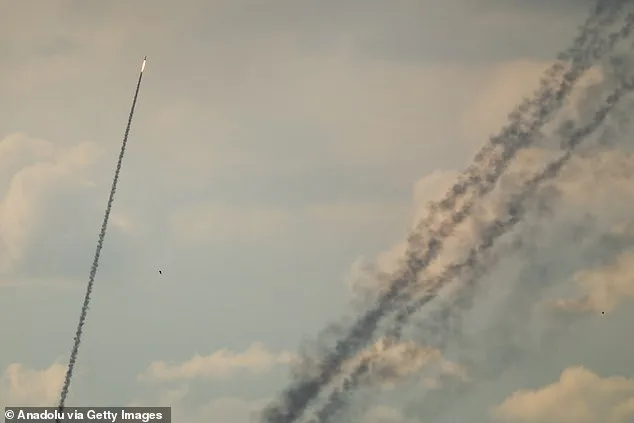
What he did do was set two clear and critical priorities. First, the elimination of Iran's reconstituting nuclear and missile programs. He won't accept a freeze or a cap or a negotiated pause that Tehran will cheat on the moment the pressure lifts. He will only accept full dismantlement, zero enrichment and zero reprocessing. That's the right standard. But how that standard is enforced, and who bears the burden of enforcement, remains a point of contention among policymakers and analysts.
Because here's what we know: Iran is sealing tunnels at its nuclear facility at Esfahan and moving centrifuges deep underground. It's accelerating work at its nuclear operation at Pickaxe Mountain—buried even deeper than Fordow, with its own cache of thousands of centrifuges—to build a new enrichment facility that conventional bombs can't reach. Additional weaponization sites at SPND and Taleghan 2 inside Parchin that were struck by Israel in June are also being actively rebuilt right now. These developments highlight the technological sophistication of Iran's nuclear program and the challenges of disrupting it through conventional means.
And China is shipping thousands of tons of solid-fuel missile propellant to Iran in open defiance of UN sanctions, while Tehran is close to finalizing a deal for supersonic anti-ship missiles designed to kill American sailors in the Persian Gulf. Iran is rebuilding its ballistic missile program and also has an active ICBM program designed to target the American homeland. These actions suggest a strategic effort to diversify its military capabilities and ensure a second-strike capacity, even as Western powers attempt to isolate it economically and diplomatically.
The nuclear program didn't end in June 2025 following the first attack by Israel and America during their 12-day war last year. It was severely set back but it's coming back. Elimination—not degradation—is the only acceptable outcome. Yet, even with the best intelligence and military resources, achieving total elimination is a tall order. It requires not just superior firepower, but also a level of political will and international cooperation that has historically been elusive in Middle Eastern conflicts.
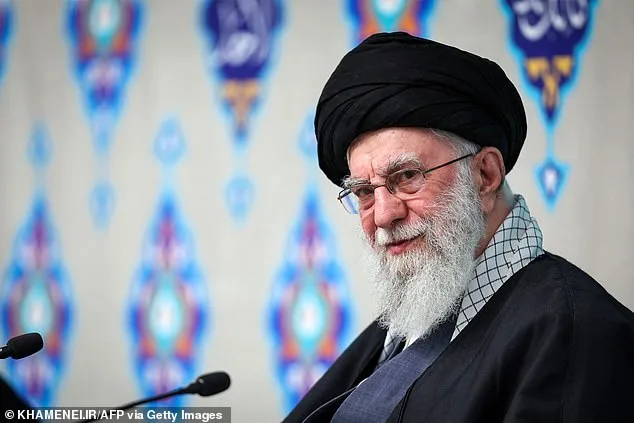
An explosion rocks the Bahrain capital of Manama, which is home to the U.S. Fifth Fleet. U.S. air defense missile systems at the Erbil International Airport neutralize Iran rockets. These strikes underscore the growing tensions in the region and the risk of escalation that comes with direct confrontation. While the U.S. has long maintained a military presence in the Gulf, the recent spate of attacks has forced a reassessment of the security calculus and the adequacy of current defense strategies.
Second—and this is where I think Trump may have done something historically significant—by enabling Israel to target elements of the regime's repression apparatus, he handed the Iranian people a window. Maybe the last window in a generation, as he noted. The Islamic Republic has survived every crisis by deploying its security forces against its own population. Notorious arms of regime repression such as Evin Prison, the Basij, the Ministry of Intelligence, and the IRGC units that gunned down more than 30,000 protesters in the streets in January. These are not just human rights atrocities; they are the guarantors of the regime's survival.
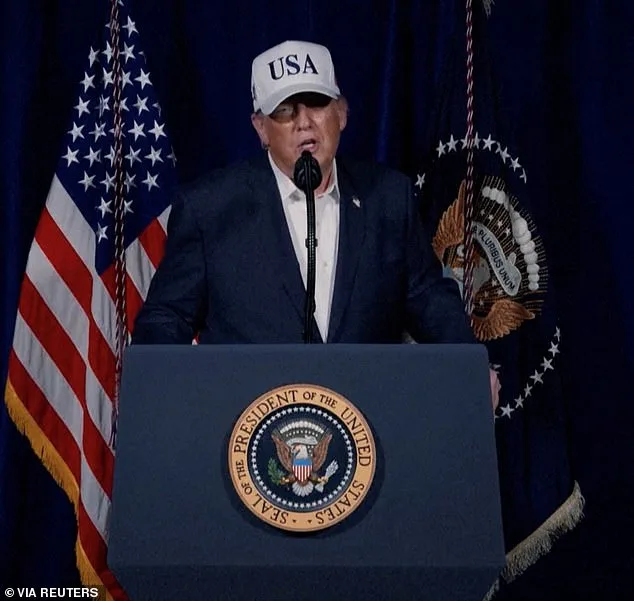
When you degrade them, you change the internal calculus. You give the Iranian people—who have risen up in 2009, 2019, 2022, and again in January 2026—a fighting chance to finish what they started. Trump was right to give them a choice: defect or die. But this choice is not without its risks. It depends on the willingness of the Iranian people to seize the moment, the capacity of the regime to be sufficiently degraded, and the support of the international community in ensuring that the transition is peaceful and orderly.
I've always believed that maximum pressure on the regime and maximum support for the Iranian people are two sides of the same coin. Last night's speech moved the needle on the pressure side. Whether the Iranian people can seize this moment, whether the regime will be degraded enough, whether the will is there, whether the world will back them—I don't know. History rarely announces itself in advance. But this is the best chance we've had in 46 years. Mark Dubowitz is the chief executive of the Foundation for Defense of Democracies.
Photos