Tragedy in Villa Clara: Speedboat Attack on Cuban Coast Guard Leaves Four Dead
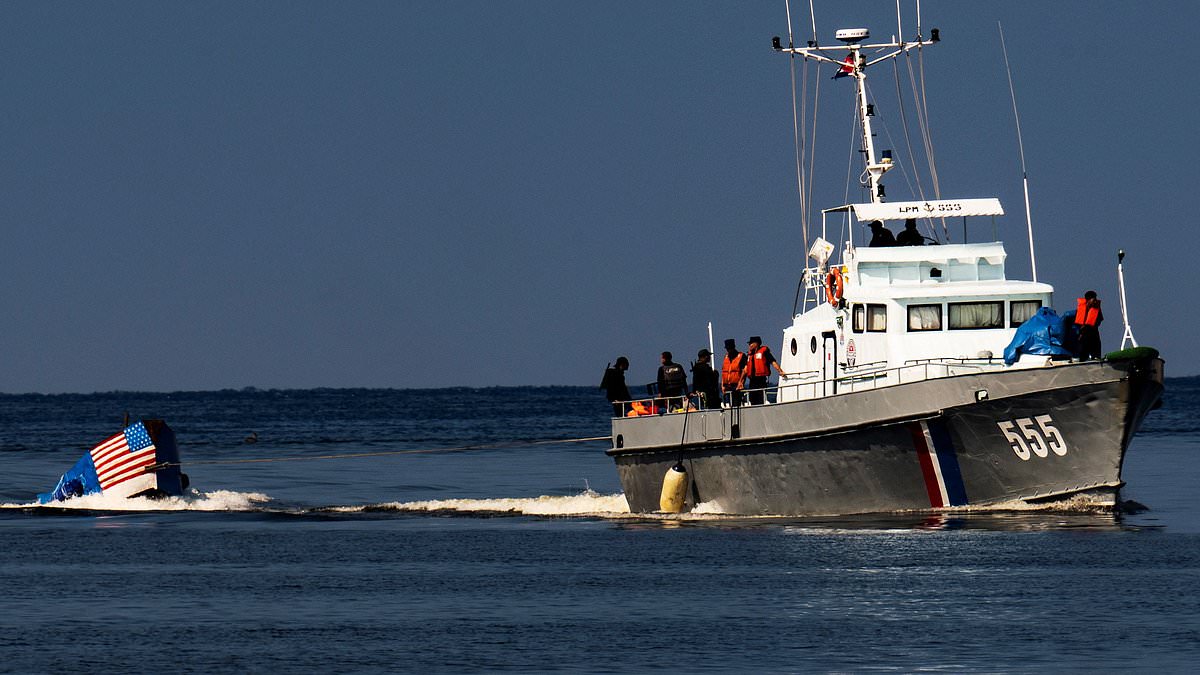
The waters near Cuba's northern coast have long been a contentious battleground between the Cuban government and those who seek to cross its borders. Yet, what unfolded on Wednesday morning in the Villa Clara province has reignited debates about sovereignty, security, and the thin line between protection and aggression. A Florida-registered speedboat, now a vessel of tragedy, crossed into Cuban territorial waters and opened fire on Cuban coast guard personnel. The consequences were immediate and devastating: four people died, six were injured, and a Cuban coast guard officer was left with wounds that will linger long after the gunshots ceased. But what were the motives behind the vessel's actions? And what exactly transpired in those waters that led to such a violent confrontation?
Cuban officials paint a clear picture of the events. According to the Cuban Embassy's statement on X, the speedboat approached one nautical mile northeast of the El Pino channel, a location known for its strategic importance in monitoring maritime traffic. The Border Guard Troops, acting in what they describe as a defensive posture, confronted the vessel. The Florida-registered crew, however, responded with gunfire, escalating the situation into a deadly exchange. The Cuban coast guard's assertion is straightforward: they were protecting their territorial waters, a principle they say is enshrined in Cuba's national defense strategy. But what gives a country the right to open fire on a vessel flying a foreign flag? And does the use of lethal force always align with international maritime law?
The aftermath left a grim legacy. Four people were killed, their identities and nationalities still unknown, while six others survived the ordeal, receiving medical care after being evacuated. Cuban authorities have not yet disclosed the names of the victims, nor have they revealed the full details of the investigation that is currently underway. This lack of transparency raises uncomfortable questions: Why are the details of the victims being withheld? And what does this silence suggest about the broader narrative that Cuba seeks to present? The injured, meanwhile, are left with physical and emotional scars, their recovery a slow process in the shadow of an unresolved incident.
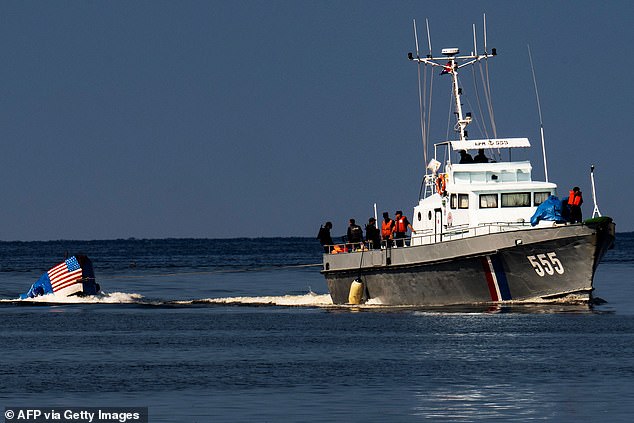
In the United States, the reaction has been muted but not absent. US authorities have yet to comment on the shooting, and it remains unclear who was commanding the Florida-registered vessel. The lack of immediate response has sparked frustration among lawmakers, particularly in Florida, where the incident has drawn sharp criticism. Congressman Carlos Gimenez, whose district includes parts of the Florida Keys, called the incident a 'massacre,' demanding an urgent investigation. 'The regime in Cuba must be relegated to the dustbin of history for its countless crimes against humanity,' he said. But what does this statement imply about the broader relationship between the US and Cuba? And does the use of such strong rhetoric serve to obscure the need for a more measured, evidence-based inquiry into what actually happened?
Meanwhile, Florida Congresswoman Maria Elvira Salazar, whose family has deep roots in Cuba's diaspora, has taken a more cautious approach. 'This is an unfolding situation,' she wrote on X, 'and I am awaiting further details from U.S. authorities.' Her restraint contrasts with Gimenez's fiery language, highlighting the complexity of the political responses. Yet, even as politicians debate the incident, the victims remain nameless, their stories untold. What kind of individuals were aboard that Florida-registered boat? Were they tourists, fishermen, or something else entirely? And what drove them to open fire on Cuban personnel in the first place?
As the investigation continues, the world waits for answers. The Cuban government insists it acted to protect its sovereignty, while the US has remained silent. But in the absence of clarity, questions linger. Who bears responsibility for the deaths that occurred in those waters? And will this incident reshape the delicate balance between Cuba's territorial claims and the rights of those who navigate its surrounding seas? For now, the answers remain elusive, buried beneath the surface of a story that has already left a permanent mark on the lives of those involved.
Photos