Tragedy in Katy, Texas: Two 3-Year-Olds Drown in Backyard Pool
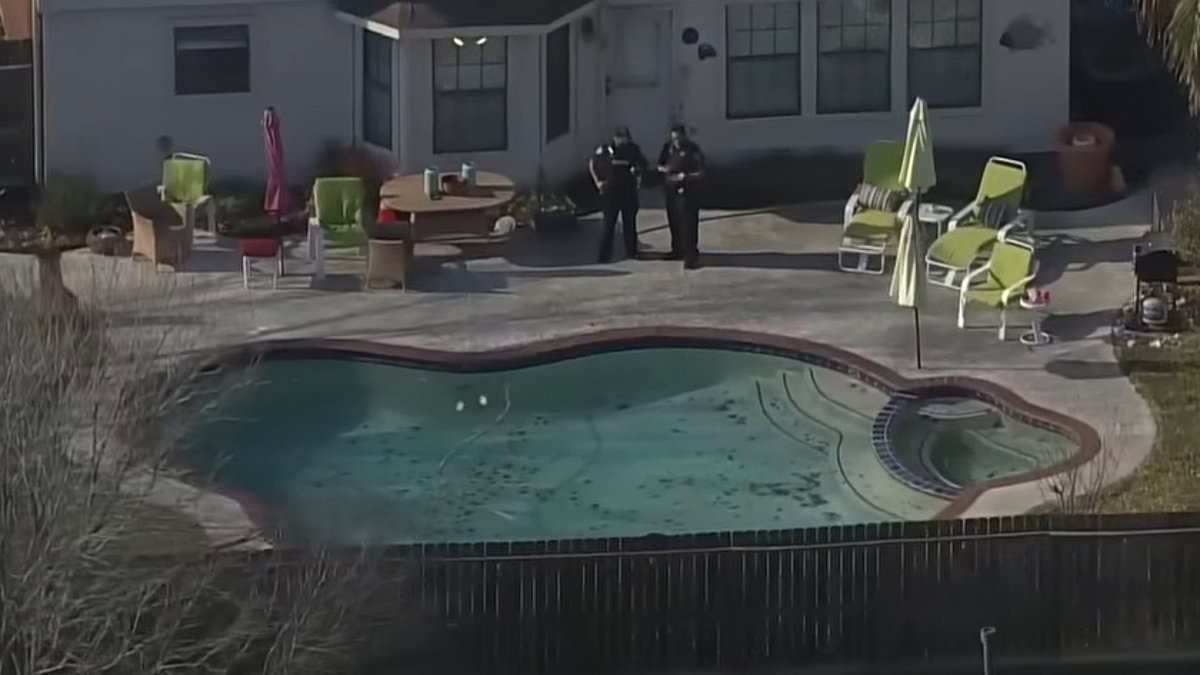
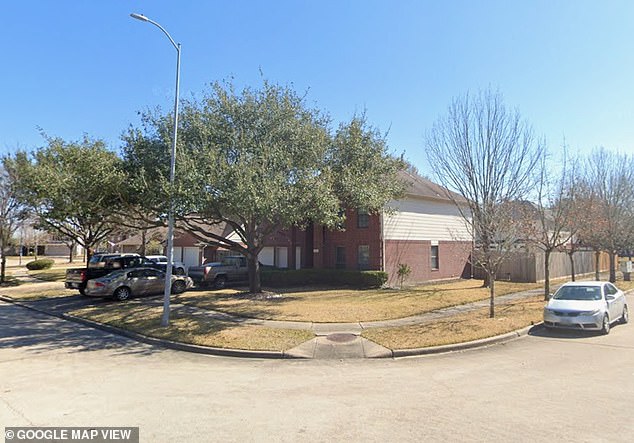
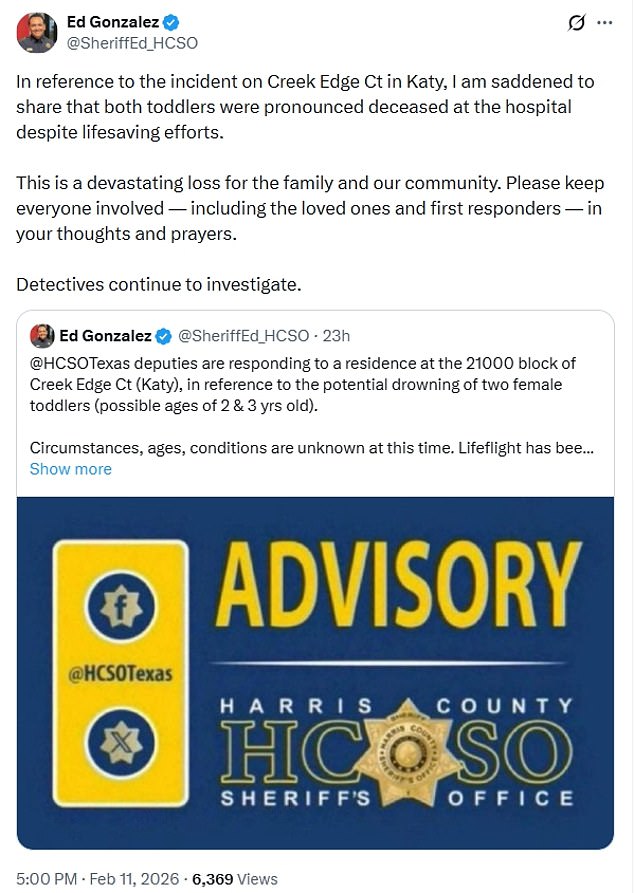
The quiet streets of Katy, Texas, were shattered by a haunting sound that would reverberate through the community for years to come. Around 11:30 a.m. on a Wednesday, two three-year-old sisters vanished from their home, slipping through an unlocked patio door to a backyard pool area. The tragedy unfolded in moments, as their mother and grandfather slept inside, unaware of the peril unfolding just steps away. By the time their grandmother returned from a grocery trip, the girls were submerged in the pool, their lives extinguished by the very water meant to be a place of joy. "This is a devastating loss for the family and our community," said Harris County Sheriff Ed Gonzalez, his voice heavy with grief as he posted an update on social media later that evening. "Please keep everyone involved — including the loved ones and first responders — in your thoughts and prayers." The sheriff's words carried a weight that would echo across the nation, as the incident exposed gaps in safety measures meant to protect the most vulnerable members of society.
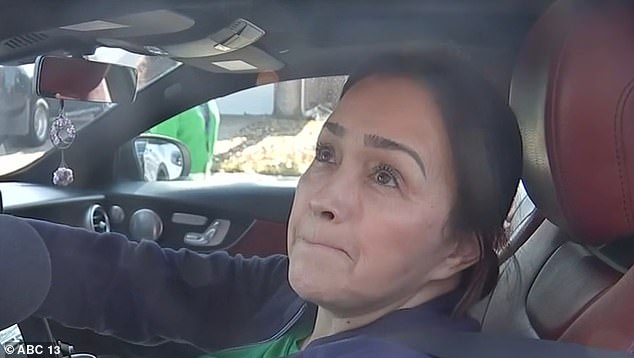
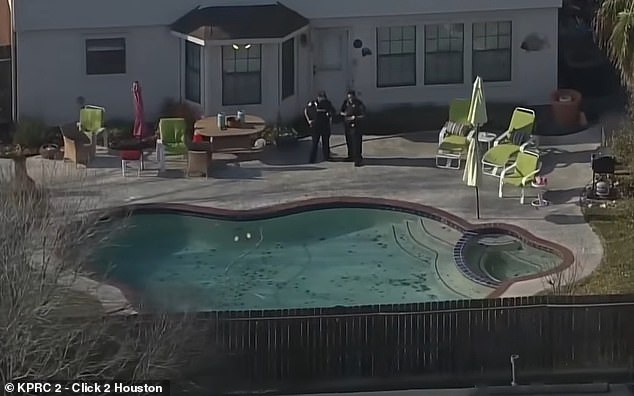
The pool, enclosed by a tall wooden fence, was not a stranger to safety protocols. Texas law mandates that homeowners with pools install locked fences or gates to prevent unauthorized access. Sheriff's Office Major Ben Katrib emphasized the importance of these barriers, urging parents to "make sure that you have a barrier around the pool and make sure that the doors are locked leading up to the pool and side gate at all times." Yet, on this particular day, the fence failed to act as a safeguard. Whether the girls climbed over it or found a gap, investigators are still piecing together the exact sequence of events. What is known is that the girls were in the water for an unknown duration before their grandmother, returning home, discovered them in the pool. "They've been really great neighbors for 25 years," said David Green, a neighbor who was walking his dog when he heard the screams. "I really feel for them." His words reflected the collective sorrow of a community grappling with the unthinkable.
The horror of the incident was compounded by the speed with which it unfolded. A woman, prompted by the commotion, dialed 911, reporting the drowning. Sheriff's deputies arrived quickly, only to find paramedics already working frantically to revive the girls. They were airlifted by helicopter to a nearby hospital, but the efforts were in vain. The sisters were pronounced dead, their lives cut short by a preventable tragedy. Neighbors described the girls as "beautiful" and "so so sad," their words a painful testament to the innocence lost. Chester Tucker, another local, lamented, "It's just sad to see that two little girls... lost their lives. It's pretty sad." The grief was palpable, a stark reminder of how fragile life can be when safety measures are overlooked or bypassed.
The tragedy has reignited discussions about the effectiveness of existing regulations. While Texas law requires locked pool barriers, enforcement and compliance are not always consistent. The sheriff's office has urged residents to review their pool safety protocols, but the incident raises broader questions about how such measures are implemented in practice. Could the fence have been compromised? Were the doors truly locked? These unanswered questions haunt the family and the community, underscoring the need for stricter oversight and public education. "If you have children, make sure that you have a barrier around the pool and make sure that the doors are locked leading up to the pool and side gate at all times," Katrib reiterated, his voice a blend of urgency and sorrow.
The tragedy in Katy is not an isolated incident. Just weeks earlier, a similar tragedy struck near Bonham, Texas, where three brothers lost their lives after a six-year-old boy fell into a frozen pond. His two older brothers, aged nine and eight, jumped in to save him, all perishing in the icy waters. The incident, which occurred during the brutal winter storm, left a community reeling and raised fresh concerns about emergency preparedness and the risks of icy conditions. Cheyenne Hangaman, the mother of the three boys, recounted how she had warned her children to stay away from the pond as the weather turned treacherous. Yet, the warning came too late. The overlapping tragedies — one in a backyard pool, the other in a frozen pond — highlight a disturbing pattern: the failure of both natural and human-made safeguards to protect children from harm.
As the community in Katy mourns, the incident serves as a stark reminder of the consequences when safety measures are not strictly adhered to. The sheriff's office has called for increased vigilance, but the grief of the family and the anguish of the neighbors suggest that no amount of regulation can fully prevent such tragedies. "It's just sad," said Tucker, his voice breaking. "It's pretty sad." In the end, the only thing that remains is the question that will linger long after the headlines fade: Could this have been prevented if the barriers — both physical and procedural — had been stronger?
Photos