Toxic Mold Exposure Revealed as Silent Culprit Behind Hair Loss and Illness in Woman and Pet

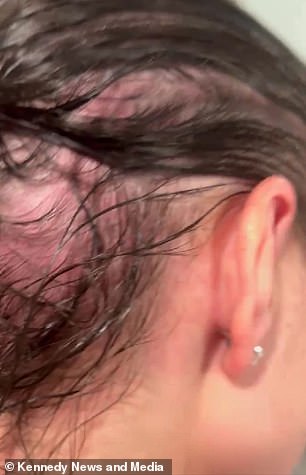
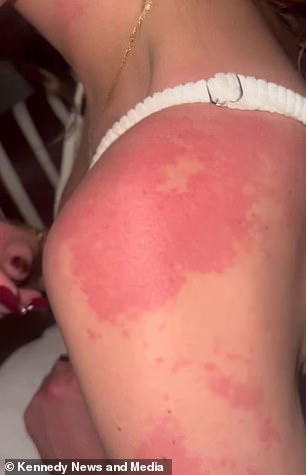
Mercedes Brooke had always taken pride in her long, thick brown hair. But in late 2024, she began noticing strands falling out in handfuls during her daily shower. At first, she chalked it up to stress or seasonal changes. But the hair loss escalated, accompanied by strange rashes on her arms and a sudden drop in energy that left her unable to complete simple tasks.
The symptoms didn't stop at her hair. Within weeks, she noticed her menstrual cycle had stretched to over two months, her weight dropped by 15 pounds, and she began vomiting blood. Her dog, Berkley, suffered similar issues—patches of baldness and persistent scratching. When she brought the dog to the vet, the diagnosis was unexpected: dermatitis caused by mold exposure.

Brooke's apartment in Denver had become her battleground. She moved there in August 2024, and by September, a leak from the air-conditioning unit above her bed began dripping water onto the floor. She reported it to the landlord, who assured her the issue would be fixed soon. But months passed, and the leak worsened. By November, she noticed a musty odor emanating from the ceiling vent.
Frustrated by the lack of action, Brooke decided to investigate the unit herself. Inside, she found a thick layer of black mold clinging to the metal surfaces. The sight confirmed her worst fears. "I knew it had to be something in the house," she said. "When I left the apartment, everything went away. That's when I realized the mold was making me sick."
Medical tests later confirmed her suspicion. Bloodwork revealed elevated levels of mycotoxins, toxins produced by certain molds. Doctors warned that prolonged exposure could cause irreversible damage to the immune system and brain function. One specialist told her, "If you don't leave this apartment, you're going to keep getting sicker."
Despite her medical evidence, Brooke claims the landlord refused to acknowledge the problem. She estimates she sent over 300 messages, emails, and phone calls to the management company, all to no avail. "They told me I was being dramatic," she said. "I asked them, Would you want this to happen to your daughter?"
Mold can grow within 24 to 48 hours in damp environments like air-conditioning units. Mycotoxins, particularly from black mold, are highly volatile. They enter the body through inhalation or skin contact, triggering a cascade of immune responses that can lead to chronic fatigue, neurological issues, and organ damage. In Brooke's case, the immune system's reaction to the toxins had left her bedridden.

Her legal battle lasted over a year. In July 2025, she reached a private settlement with the property company, ending her lease early. Since leaving the apartment, her health has improved dramatically. Her hair is growing back, her rashes have faded, and her energy levels have returned to normal. "I felt like that apartment was slowly killing me," she said. "I went from being an active person to someone who couldn't even walk up stairs."
Experts warn that mold toxicity is often underdiagnosed. Symptoms can mimic autoimmune diseases or mental health disorders, making it difficult for patients to seek help. "Many people suffer in silence because landlords and property managers dismiss their concerns," said one environmental health specialist. "This case is a reminder that early intervention is critical."
Brooke now urges others in similar situations to document their symptoms and push for action. "If you've done everything you can and still been ignored, you have to fight back," she said. "Your health is worth it."
The apartment complex has not publicly commented on the case. However, building codes in Colorado require landlords to address mold issues promptly. The question remains: how many other tenants have suffered in silence, their health compromised by preventable environmental hazards? For Brooke, the answer is clear. "It could have been avoided. They just needed to replace the unit."
Mold toxicity cases are rising, according to recent studies. Public health officials recommend regular inspections of HVAC systems, especially in older buildings. For renters, the message is simple: don't ignore warning signs. If a problem persists, it's not just a maintenance issue—it could be a matter of life and death.
Brooke's story has become a rallying point for tenant advocates. She's shared her experience with local lawmakers and is now working with a nonprofit to help others facing similar issues. "I don't want anyone else to go through this," she said. "This was a wake-up call for the entire system."
Her recovery is a testament to the power of persistence. But for the thousands of people suffering from mold-related illnesses, the fight is far from over. As one doctor put it, "This isn't just about a single apartment. It's about a broken system that's failing its most vulnerable residents."
The mold in Brooke's air-conditioning unit was just the beginning. For many, it's the start of a long and painful journey. But for those who speak up, there's hope. And for the landlords who ignore the signs, the consequences could be far greater than they ever imagined.
Photos