Toronto Council's Land Acknowledgment Sparks Taxpayer Backlash at Budget Meeting
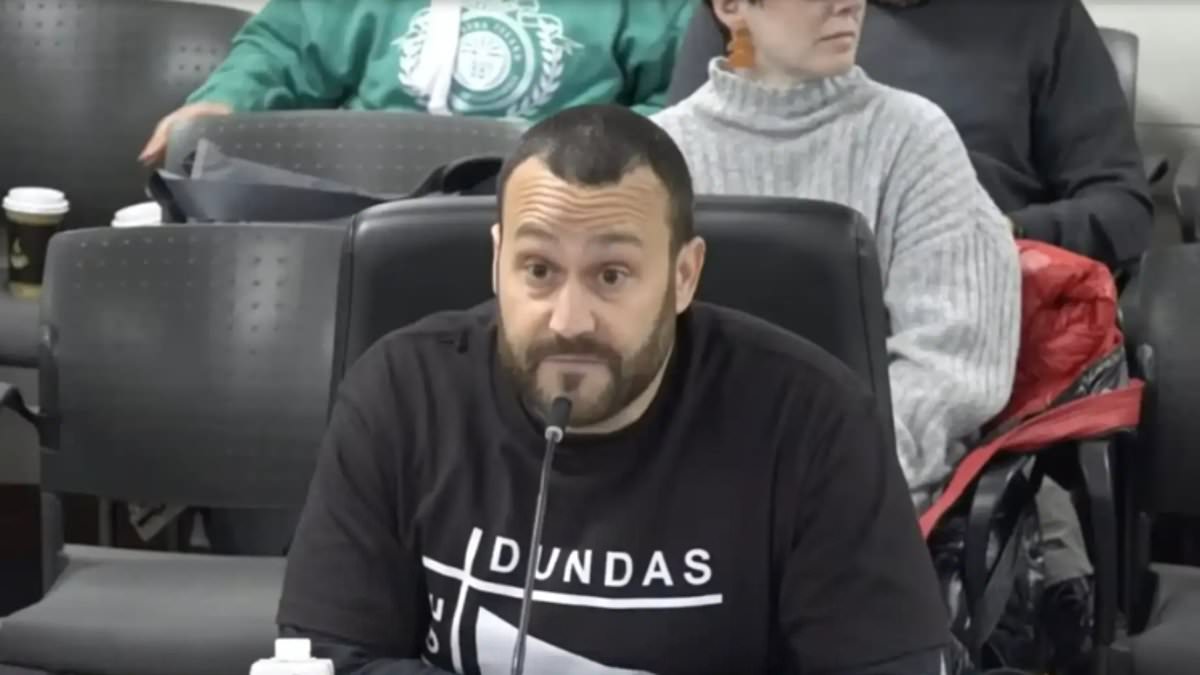
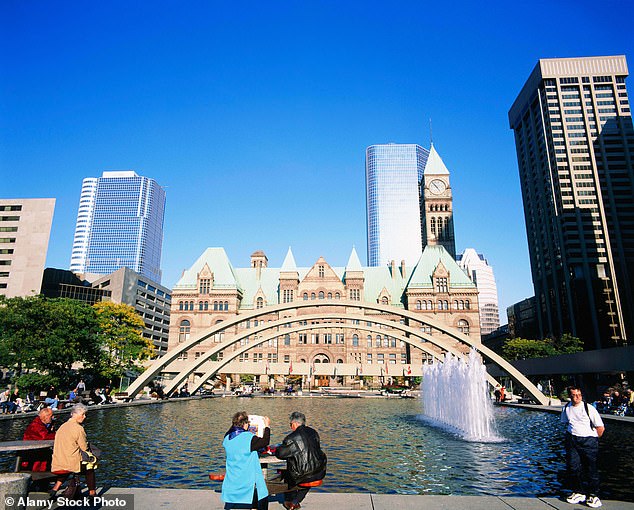
Toronto City Council's January 20 budget meeting began with a standard land acknowledgment, a ritual now common across North America. Councilman Gord Perks opened the session by citing the Mississaugas of the Credit, the Anishnabeg, the Chippewa, the Haudenosaunee, and the Wendat peoples. His words, delivered in a monotone that echoed through the chamber, were meant to honor the First Nations who inhabited the land long before European settlers arrived. The acknowledgment lasted 18 seconds, yet it sparked immediate backlash from one attendee.
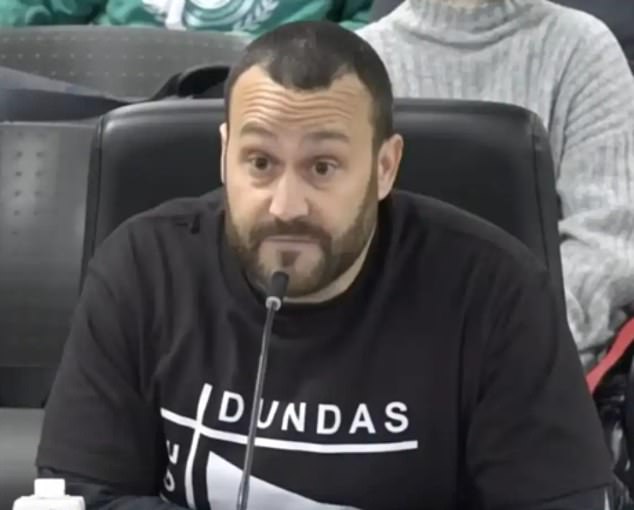
Daniel Tate, founder of IntegrityTO, a government watchdog firm, rose to speak. His response was not a rebuttal but a parallel acknowledgment—one that focused not on indigenous heritage but on the taxpayers who fund the city's operations. 'Let's start my deputation in a good way, by acknowledging the people who fund this municipal enterprise, the Toronto taxpayers,' Tate said, his voice cutting through the hushed room. He emphasized that every lightbulb, every policy decision, and every street-renaming initiative was paid for by property owners and residents.
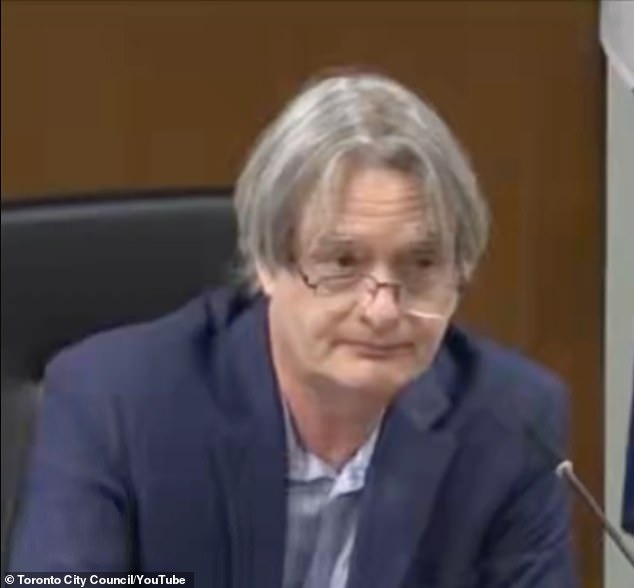
Tate's remarks were sharp and unflinching. He criticized the city's $18.9 billion budget, pointing to unaddressed infrastructure issues and what he called 'ideological excesses.' He mocked the city's recent decision to repaint roads with 'inferior and environmentally damaging red paint' and condemned 'harm reduction programs' that led to drug paraphernalia littering public spaces. 'Without taxpayers, this institution could not indulge in these excesses,' he said, his tone a mix of sarcasm and frustration.
The room fell silent. Councilors shifted in their seats, some visibly uncomfortable. Tate, a man with a reputation for blunt criticism, had delivered a message that many in the audience had long felt but never voiced. 'This isn't to take away from the fact that everybody needs to get a fair share in Toronto,' he told Now Toronto afterward. 'But we need unity, not performative gestures.'
Tate's speech went viral within hours. A video of his remarks, posted by IntegrityTO, was viewed over a million times. Comments ranged from praise to outrage. 'Loved every second of this—need to have someone open every council meeting with this,' one user wrote. Others called Tate 'the Future mayor of Toronto.' The clip also drew criticism, with some accusing him of politicizing a sensitive issue.
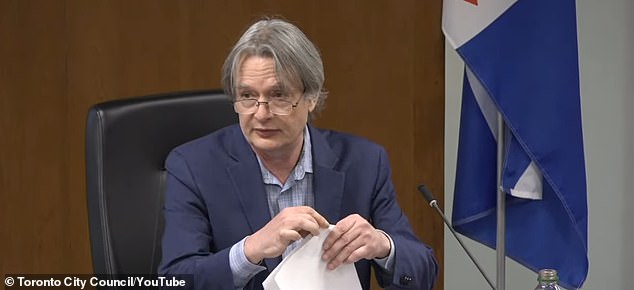
Tate defended his approach as a necessary counterbalance to what he called 'performative nonsense' by city officials. 'Taxpayers are exasperated by ideologically driven governance that panders to special interest groups,' he told the Daily Mail. His company's mission, he said, is to 'deliver integrity-driven, accountable and effective governance.'
Toronto City Council has not yet responded to requests for comment. As of now, no official has publicly addressed Tate's critique. But the video's reach suggests that his message—frustration with bureaucratic excess and a demand for fiscal responsibility—resonates deeply with many residents.
The incident has reignited debates about the role of land acknowledgments in municipal meetings. While some argue they are a necessary step toward reconciliation, others see them as symbolic gestures that divert attention from pressing issues. Tate's intervention, whether seen as provocative or necessary, has forced a reckoning: in a city grappling with budget shortfalls and public discontent, who truly holds the power?
Photos