Tinned Foods: The Surprising Nutrient Boost You Never Knew You Needed
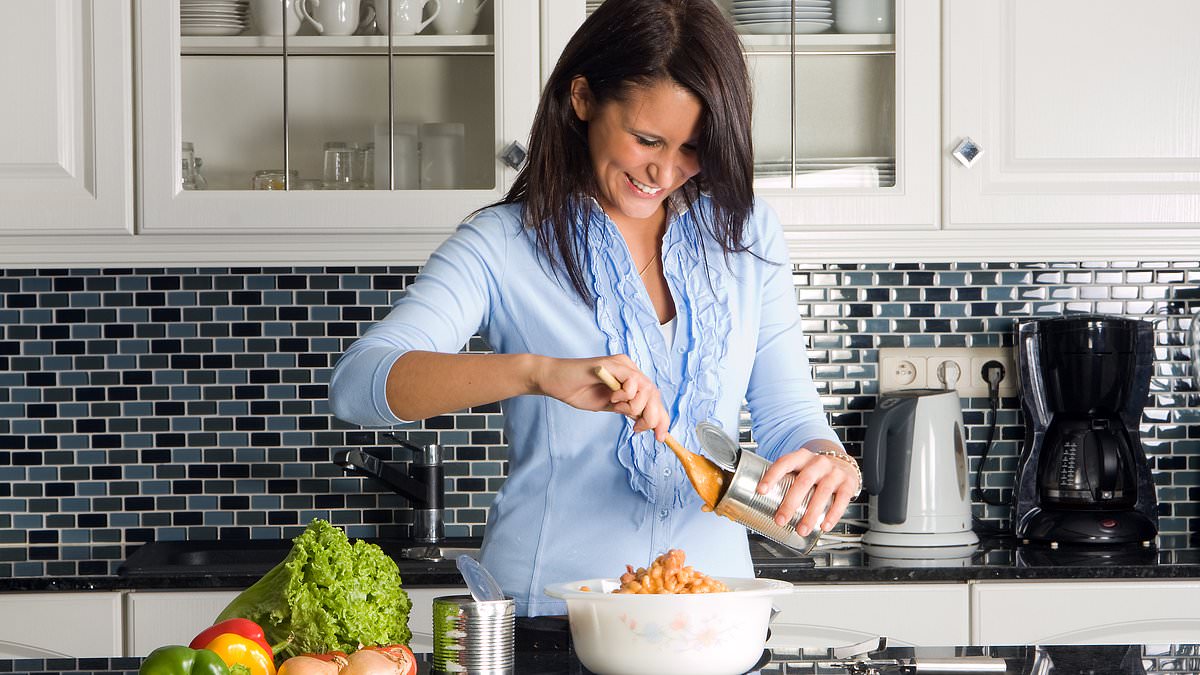
Tinned foods have long been the unsung heroes of modern kitchens, yet they are often dismissed as inferior to their fresh counterparts. But what if the tin actually holds a key to better health? Dr. Emily Leeming, a leading nutritionist, argues that tinned foods can be more nutritious than fresh, especially for those with sensitive guts or tight budgets. 'Contrary to popular belief, tinned tomatoes contain twice as much lycopene per 100g as their fresh equivalents, thanks to the canning process,' she explains. 'This makes them a powerhouse of antioxidants that protect our cells from damage.'
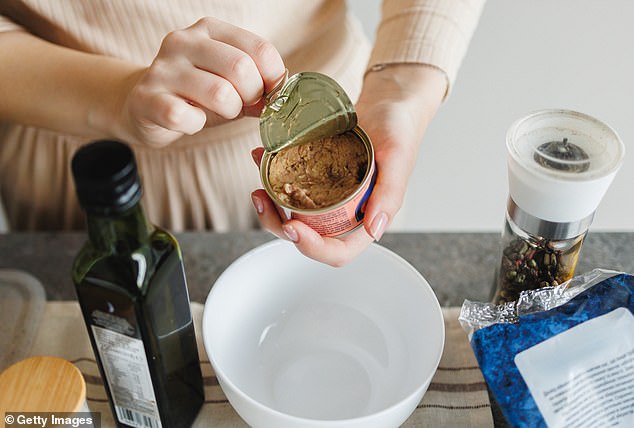
The canning process itself may be the secret ingredient. When tomatoes are heated and sealed, their cell walls break down, making lycopene—and other nutrients like vitamin C and folate—easier for the body to absorb. This isn't just a quirk of science; it's a boon for health. Similarly, canned beans and lentils retain their protein, iron, and fiber content, with studies showing that even processed versions can support heart health and digestion. 'For people with sensitive guts, canned beans are often easier to digest because the high-pressure cooking breaks down complex carbohydrates,' Dr. Leeming adds. 'Rinsing them removes excess starch, but the residual carbs still feed beneficial gut microbes.'

But not all tinned foods are created equal. The line between 'processed' and 'ultra-processed' (UPF) is thin, yet crucial. Tinned foods like tomatoes, beans, and lentils are processed but not UPFs, unless they're laden with additives. 'A tin of frankfurters is a different story,' Dr. Leeming warns. 'Those are reformulated with flavor enhancers and preservatives, making them UPFs. The real issue is how these foods fit into an overall diet.' Research has linked UPFs to health risks like obesity and diabetes, but the occasional tin of ravioli won't necessarily condemn you. The key is moderation and choice.
For budget-conscious households, tinned vegetables and oily fish offer affordable nutrition. Canned carrots, peas, and green beans are cost-effective, though watch for added salt. Drain and rinse them to cut sodium, or choose 'no added salt' options. Sardines, for example, are a treasure trove of omega-3 fatty acids, with one 100g tin providing 1.3g—nearly meeting the UK's weekly recommendation for heart and brain health. 'Sardines in tomato sauce double the benefits, giving you both omega-3s and lycopene for less than a meal at a restaurant,' Dr. Leeming notes. Tuna, while lower in omega-3s, still offers protein and other nutrients.
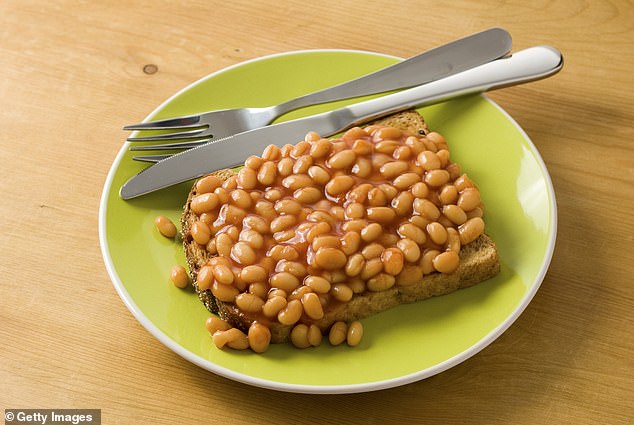
Baked beans, a childhood favorite, are another standout. A single half-can delivers 10g of protein and 8g of fiber, comparable to two eggs and a hearty salad. Studies show they can lower cholesterol by binding bile acids, a process that over time reduces cholesterol levels. Yet, their tomato sauce often adds sugar and salt, making them more processed. 'Most are still healthy,' Dr. Leeming clarifies. 'But if you're watching your sugar intake, opt for low-sugar varieties.'
Then there's the controversy over bisphenol A (BPA), a chemical used in can linings. Animal studies link BPA to inflammation and immune issues, but human risks remain debated. The EU has banned BPA in food contact materials, and the UK restricts its use in infant products. 'For now, BPA levels in UK tinned foods aren't deemed harmful,' Dr. Leeming says. 'Still, many manufacturers have switched to BPA-free linings. Check labels—your health may depend on it.'
So, what's the takeaway? Tinned foods are not a health disaster—they're a viable, often superior option for nutrition, convenience, and cost. But like any food, they require mindful choices. Are you rinsing your canned vegetables? Are you choosing BPA-free tins? Is your next meal a can of beans or a processed snack? The answers may shape your health far more than you realize.
Photos