The Science of Libido: How Diet, Stress, and Nutrition Influence Sexual Desire and Beyond
The idea that food can influence sexual desire has long been a topic of fascination, but how much truth is there to the claim that certain ingredients can enhance intimacy? According to Natalie Rouse, a Registered Associate Nutritionist with 18 years of experience, the relationship between diet and libido is more nuanced than popular myths suggest. 'There's no instant food for fireworks,' she explains, 'but what we eat does shape the physiological foundations of arousal—hormones, circulation, energy, and the nervous system.' This insight comes at a time when Valentine's Day is often marketed as a gateway to romantic connection, yet the real story is far more complex and rooted in science.
When stress, fatigue, or restrictive eating habits take hold, libido is one of the first casualties. Rouse emphasizes that nutrient deficiencies and imbalanced diets can silently sabotage sexual health. 'Zinc and magnesium are crucial for sex hormone production and blood sugar stability,' she says. 'Without these, mood and desire can falter.' Her message is clear: a holistic approach to nutrition, rather than relying on single 'superfoods,' is key to supporting the body's ability to feel desire and achieve satisfaction.
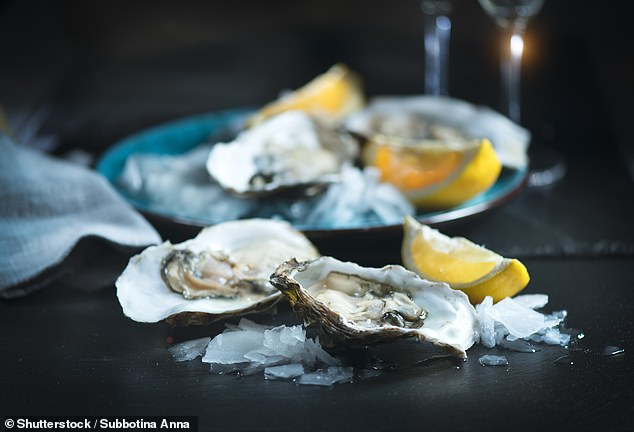
Oysters, long celebrated as an aphrodisiac, are a prime example of this principle. 'They're incredibly high in zinc, which supports testosterone production,' Rouse notes. 'But they're not a magic bullet—they're part of a broader strategy to nourish the body's systems.' Similarly, chocolate's role in boosting mood through dopamine and serotonin is well-documented, though its impact is amplified when paired with other foods. 'Pairing chocolate with berries can deliver a flavonoid boost, which has been linked to improved blood flow and reduced erectile dysfunction risk,' she adds.

The conversation extends beyond individual foods to broader dietary patterns. 'Chronically restrictive diets are a silent killer of libido,' Rouse warns. 'They create stress, which disrupts hormonal balance and energy availability.' She advocates for balanced meals that combine carbohydrates, protein, and fiber to stabilize blood sugar, a factor she describes as 'one of the most overlooked barriers to sexual pleasure.'
Creatine, often associated with athletic performance, is another overlooked player. 'It's essential for providing energy for short, intense movements,' Rouse explains. 'Animal products like red meat are a key dietary source, alongside selenium, which men need for testosterone production.' For women, salmon offers a dual benefit: high vitamin B12 and omega-3s, which support circulation and energy levels. 'These aren't just about performance—they're about feeling safe and capable in your body,' she says.

Yet, the most surprising revelations lie in the less heralded foods. Watermelon, for instance, contains L-citrulline, a compound that boosts nitric oxide production, improving circulation. Beetroot, rich in nitrates, shares this benefit. Leafy greens, meanwhile, provide energy and support desire. 'These are foods that don't get the hype they deserve,' Rouse admits. 'It's about pairings and consistency, not quick fixes.'

Maca root, a traditional Peruvian ingredient, rounds out the list. 'It's been used for centuries to support sexual and reproductive health,' Rouse says. 'But again, it's not a standalone solution—it's part of a larger narrative about how the body and mind interact.' Her message is clear: while no single food can guarantee a better orgasm, a diet that prioritizes balance, nourishment, and stress reduction can create the conditions for desire to flourish. The challenge, she suggests, is not in finding the 'right' ingredients, but in rethinking how we approach food as a foundation for well-being.
The implications of this perspective extend beyond individual health. In a world where diet-related stress and nutrient deficiencies are rising, the connection between nutrition and sexual health could have broader societal impacts. Public health initiatives that emphasize balanced eating, rather than quick fixes, may offer a more sustainable path to improving quality of life. For now, Rouse's advice remains grounded in evidence: 'It's not about eating for fireworks—it's about building the systems that make desire possible.'
Photos