The Hidden Cost of Pancake Day: Rebalancing Indulgence and Nutrition
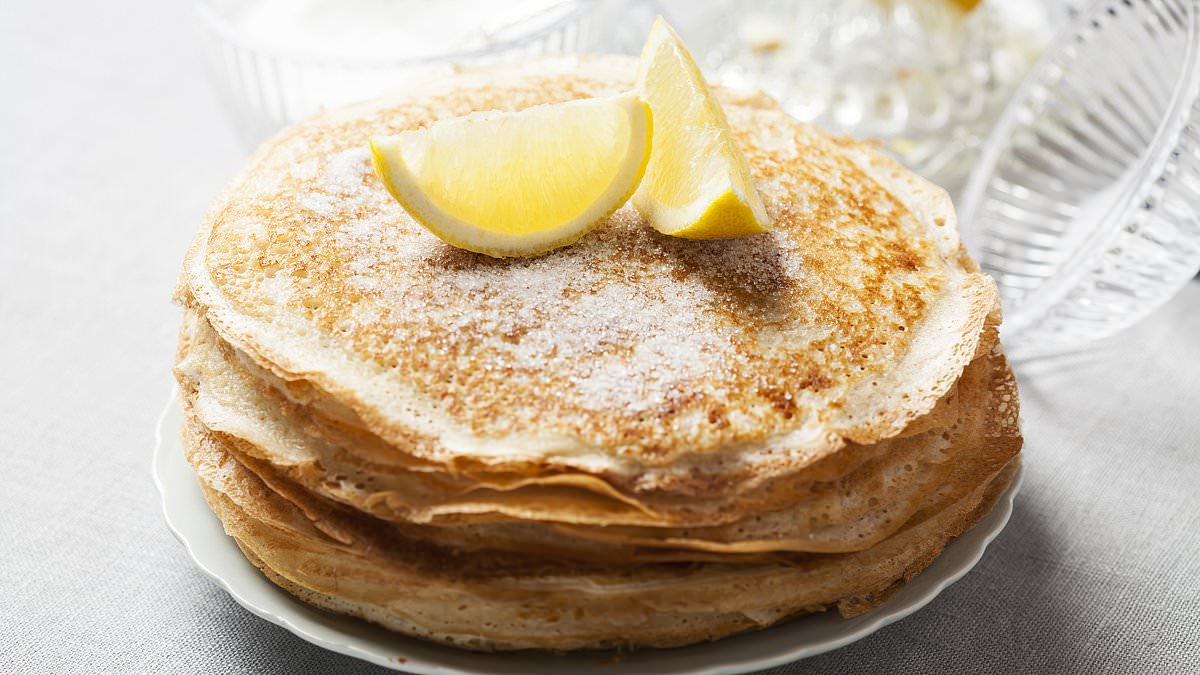
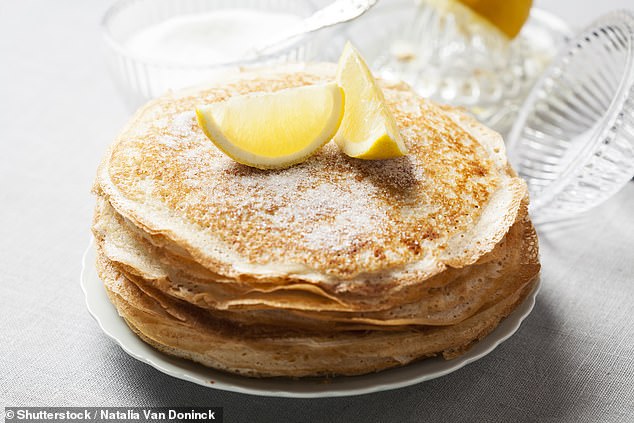
Pancake Day, or Shrove Tuesday, is a time of year when the UK and many other countries embrace the indulgence of flipping pancakes across griddles and plates. Lemon and sugar, bananas, Nutella, and chocolate chips are among the most popular toppings, but these choices often come with a hidden cost. Traditional pancake recipes, made with white flour, eggs, milk, and sugar, may be quick to prepare, but they lack the nutritional depth needed to sustain energy levels. As a result, people often find themselves craving more after a single serving, leading to overconsumption and spikes in blood sugar levels. This pattern highlights a growing awareness among nutritionists and health advocates about the importance of rethinking how we approach such beloved foods.
BANT-registered nutritionist Ann Garry has spent years analyzing the nutritional impact of pancake recipes and has become a vocal advocate for healthier alternatives. She explains that the simplicity of traditional pancakes—composed primarily of refined carbohydrates and minimal protein—makes them a 'quickly digested food.' This rapid digestion leads to a rapid rise and fall in blood glucose levels, leaving individuals feeling unsatisfied and hungry again shortly after eating. Garry recalls childhood memories of her father's pancake-making prowess, noting how the endless stream of pancakes kept coming, with no end in sight. 'They kept coming and coming, and you had to wait in turn for your next one,' she says, illustrating how the very design of pancakes can lead to overeating.
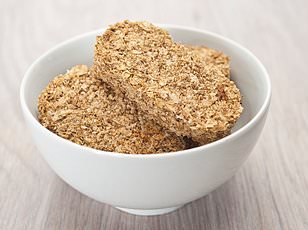
To transform pancakes into a more satisfying and nutritious meal, Garry recommends swapping white flour with alternatives like almond flour or ground oats. These substitutes offer higher fibre and protein content, which contribute to a more prolonged feeling of fullness. 'Almond flour is probably the best one, but you could use ground up oats, and that will give you more fibre as well,' she advises. For those who prefer a simpler route, Garry suggests omitting sugar entirely from the pancake batter and instead incorporating chia seeds or flax seeds. These small additions provide a natural boost of protein and fibre without the need for artificial sweeteners or excessive sugar.
The key to making pancakes more healthful lies in embracing 'complex' ingredients, a concept that extends beyond simply adding more items to the recipe. Complexity in food refers to how easily the body can digest it. White flour, for instance, is a 'simple' food that the digestive system breaks down rapidly, releasing glucose quickly into the bloodstream. This rapid release leads to sharp increases in blood sugar levels, followed by a crash, which can leave individuals feeling fatigued and craving more food. In contrast, ingredients like almond flour introduce protein, which is more challenging for the stomach to digest. 'Protein is much harder for the stomach to digest,' Garry explains, 'so it has to do a lot more work. It has to produce enzymes and hydrochloric acid and break it down so it sits in the stomach for longer.' This slower digestion process results in a more sustained release of glucose, promoting a longer-lasting sense of fullness.
The impact of these changes extends beyond the immediate satiety of a meal. Healthier pancake choices can also influence long-term eating habits and metabolic health. By reducing the intake of refined carbohydrates and increasing the consumption of fibre and protein, individuals may experience improved blood sugar control and reduced cravings for sugary or fatty foods. Garry emphasizes that the goal is not to eliminate the joy of pancake-making but to find a balance that supports both indulgence and nourishment. 'You can still enjoy the process of flipping pancakes, but with a few smart ingredient swaps, you can make a healthier choice that benefits your body in the long run.'

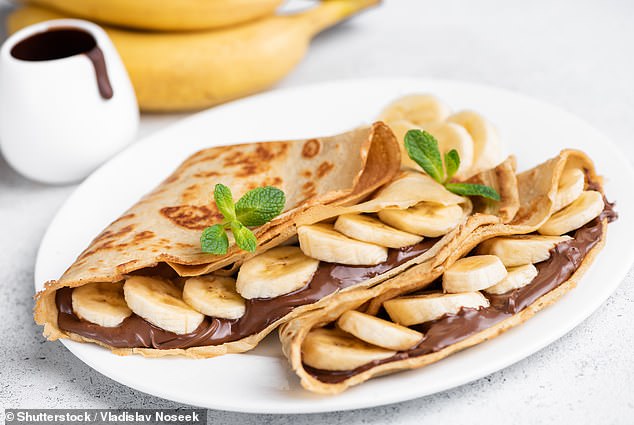
When it comes to toppings, the options are equally important. While Nutella and other processed spreads may be tempting, they often contain high levels of added sugars and fats. Garry suggests using mashed banana mixed with Greek yogurt as a more nutritious alternative, combining the creaminess of yogurt with the natural sweetness of banana and the added protein from the yogurt. Fresh berries, compotes made from seasonal fruits like apples or pears, and nut butters such as almond or peanut butter also provide flavorful and healthy options. These choices not only enhance the taste of pancakes but also contribute essential vitamins, antioxidants, and healthy fats to the diet.
For those eager to try a new recipe, Garry offers a simple yet nutritious banana-based pancake recipe. This version eliminates the need for refined flour and relies on the natural binding properties of bananas and eggs to create a dense, high-protein batter. The recipe, which yields approximately nine to twelve small pancakes, is designed to be easy to prepare and adaptable to various toppings. Whether served with fresh berries, Greek yogurt, or a drizzle of nut butter, these pancakes provide a wholesome alternative to the traditional recipe without sacrificing the joy of the occasion.
The history of pancakes stretches back thousands of years, with archaeological evidence pointing to flat, griddle-cooked 'cakes' being consumed as far back as prehistoric times. Ancient civilizations such as the Greeks and Romans developed their own versions, often sweetening the batter with honey and spices. While the practice of flipping pancakes is a more recent innovation, with historical records suggesting it began in the 15th century, the tradition of making and enjoying pancakes remains a global phenomenon. From French crêpes to Russian blini and Ethiopian injera, the concept of a thin, cooked batter is a universal one, adapting to local ingredients and preferences while retaining its core essence of simplicity and adaptability.
As the popularity of Pancake Day continues to grow, so does the opportunity to rethink how we approach such a beloved food. By making informed choices about ingredients and toppings, individuals can enjoy the tradition of flipping pancakes while also promoting better health. Whether through small swaps like using almond flour or opting for fruit-based toppings, the path to a healthier pancake day is one that combines tradition with innovation, ensuring that the ritual remains as enjoyable as ever.
Photos