The 'Green Bubble Ick': How iPhone Users' Tech Preferences Affect Romantic Connections
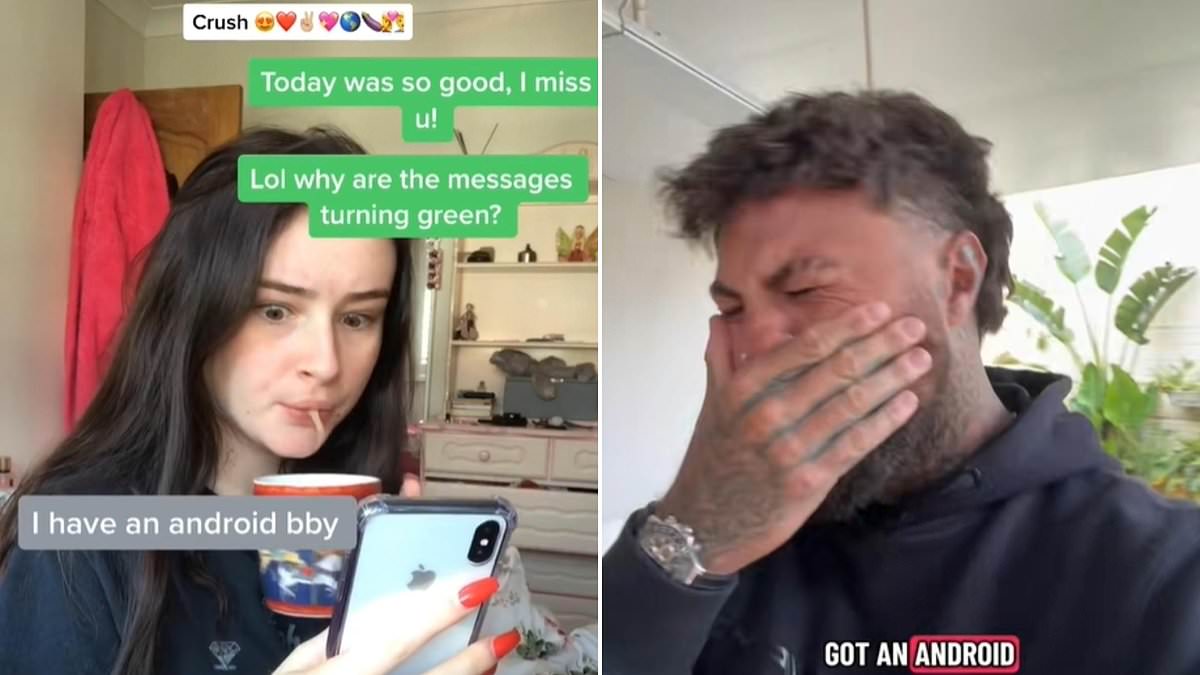
In the sprawling digital landscape of modern dating, where first impressions often hinge on the flicker of a screen, a peculiar phenomenon has emerged that strikes at the heart of tech-savvy relationships. Dubbed the 'green bubble ick' by iPhone users, this term captures a visceral reaction to the appearance of green text messages—a stark contrast to the familiar blue iMessage bubbles that signal communication within Apple's ecosystem. For many, the sight of a green message is not merely an aesthetic preference; it's a psychological trigger that can instantly dampen romantic interest. One user, whose identity remains hidden, confessed on TikTok that the thought of green texts 'makes me feel sick,' while another joked that 'texting back in green... suddenly I can't read.' These reactions, though seemingly trivial, reveal a deeper entanglement between technology and human connection.
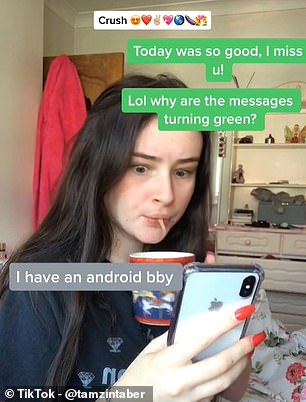
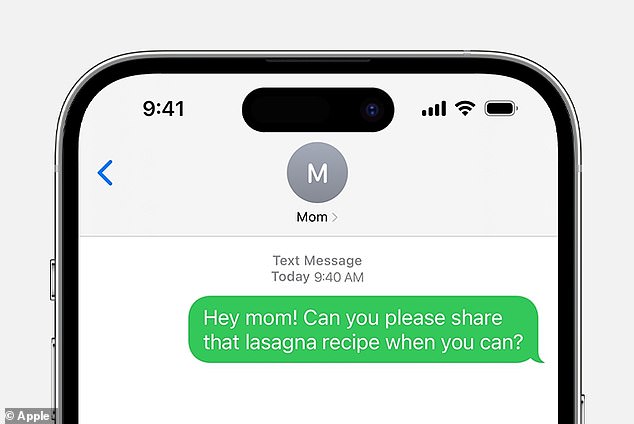
The origins of this 'ick' lie in the mechanics of iMessage, Apple's proprietary messaging service, which displays blue bubbles for messages sent between iOS devices. When an iPhone user receives a message from an Android device, the absence of iMessage activation results in green bubbles, typically via SMS or RCS. This visual cue, though technical in nature, has taken on symbolic weight, becoming a litmus test for compatibility in the minds of many. Insights from Compare and Recycle, a UK-based service platform, suggest that phone choice is increasingly being used as a proxy for shared values or lifestyle alignment. Lee Elliott, the company's Chief Product Officer, noted the irony and concern: 'Phones are a huge part of our daily lives, but it's fascinating, and slightly alarming, how quickly device choice is becoming a proxy for compatibility.'
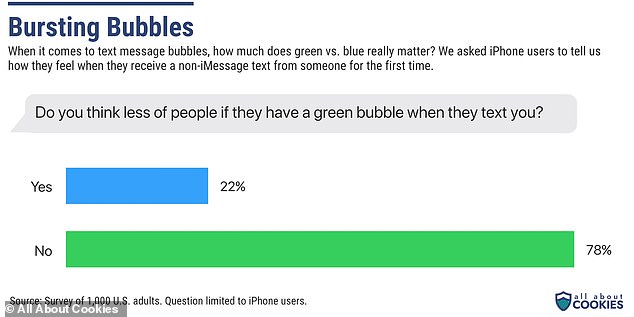
The implications of this trend extend beyond casual preferences. A 2023 survey by All About Cookies, which polled 1,000 adults, found that 22% of iPhone users reported feeling less favorably toward someone upon seeing a green bubble in a text conversation. For 23% of respondents, such a bubble was not just a minor inconvenience but a potential dating dealbreaker. The survey also uncovered a gender disparity, with 29% of male respondents expressing disdain for Android users compared to 15% of female respondents. This data underscores a growing divide, where device choice—once a matter of technical preference—has morphed into a cultural signal with the power to influence romantic trajectories.

Psychologists have weighed in on this phenomenon, offering insights into the human tendency to equate technology with identity. Georgia Vass, a relationship expert, explained that mobile phones have become 'a mechanism which has become used to represent the user's digital identity through various symbols, visual cues, or text.' She argued that in the early stages of a relationship, when information about a person is sparse, even small details like the color of a message bubble can be interpreted as a reflection of character. 'We are wired to quickly assess whether a new person is safe or dangerous,' Vass noted, emphasizing that first impressions are often intuitive rather than rational. For some, a green bubble may trigger anxieties about whether a potential partner shares their values, communication style, or even their commitment to technology.
Yet this fixation on device choice raises questions about the limitations of such a narrow lens. Vass encouraged introspection: 'The introspection may be more useful than limiting potential partners to those who have a certain phone brand.' After all, the color of a text bubble does not reveal whether someone is kind, loyal, or emotionally available. As Elliott wisely concluded, 'This Valentine's Day, it's worth remembering that real connection doesn't come in blue or green—it comes from shared values, good communication, and how someone shows up for you.'
Despite the fervor surrounding the 'green bubble ick,' the broader conversation highlights how technology, once a facilitator of connection, has paradoxically become a barrier in some contexts. As users grapple with these biases, the challenge lies in distinguishing between meaningful compatibility and superficial judgments. Whether this trend fades or deepens remains to be seen, but one thing is clear: in an age where screens mediate so much of our social lives, the colors we see may say more about us than the people we're trying to connect with.
Photos