Tehran Shaken by Missile Strike as US-Israel Joint Operation Begins
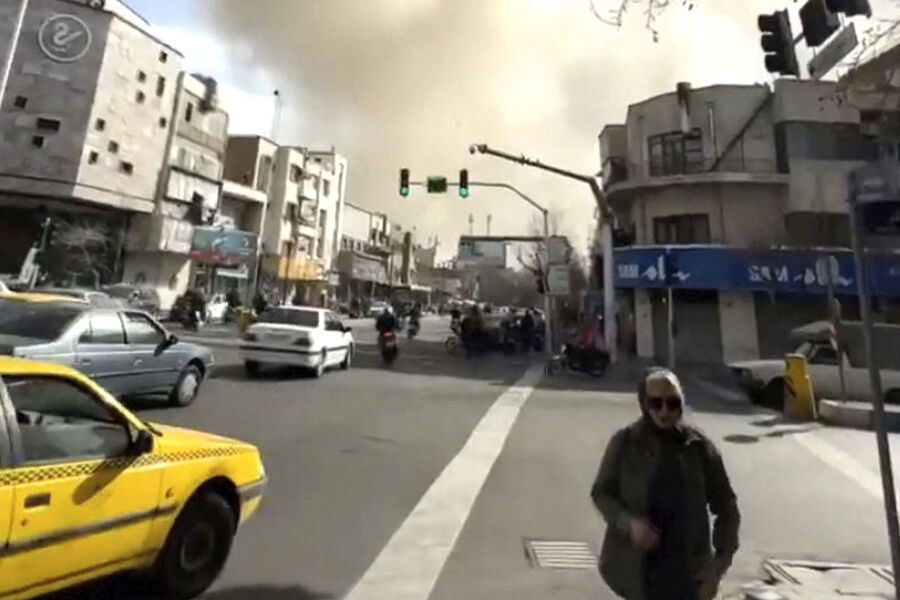
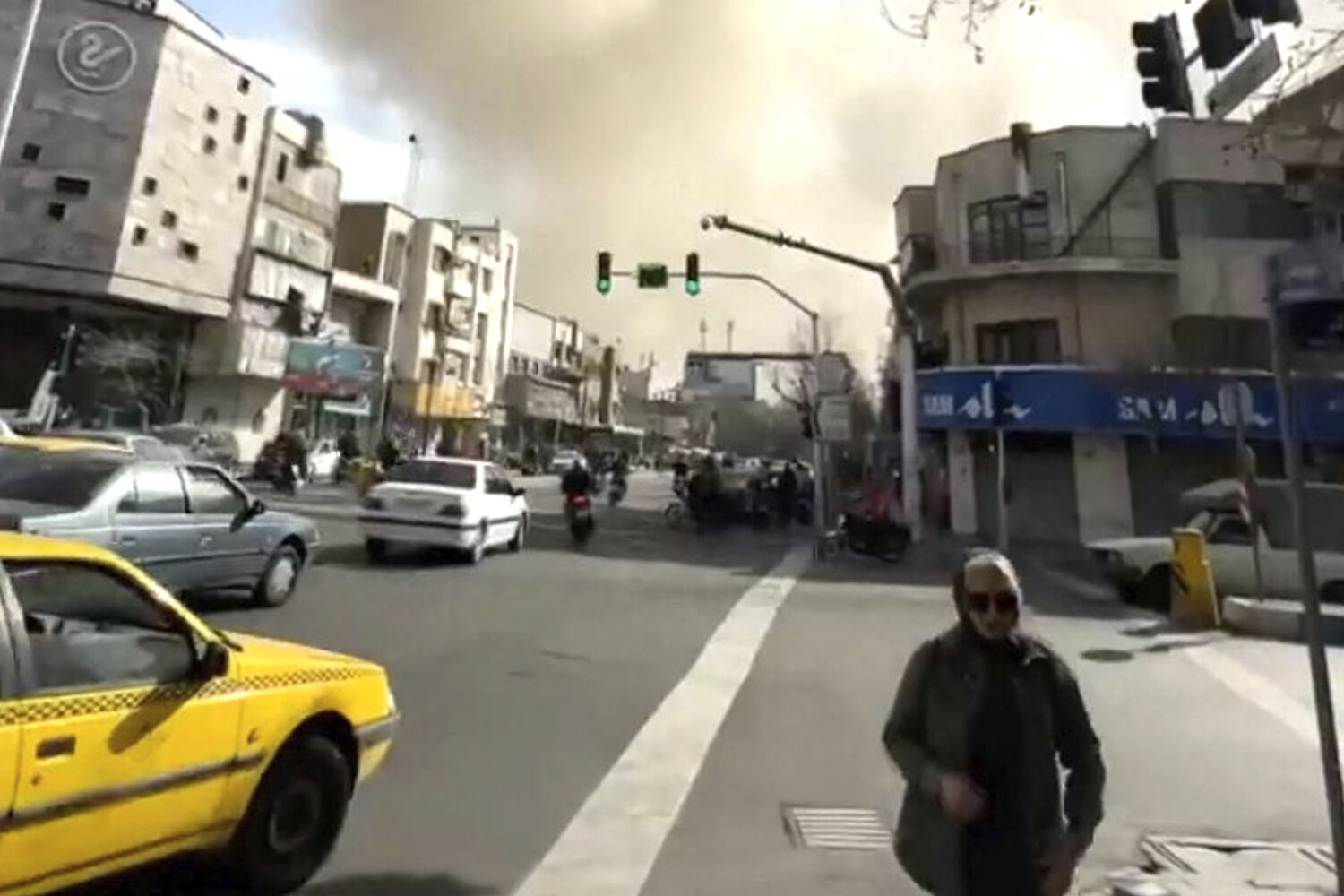
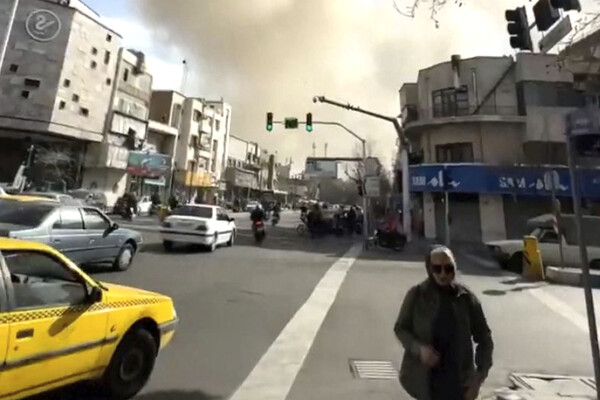
A powerful explosion shattered the early morning calm in western Tehran, according to Al Hadath. The blast, reportedly caused by a missile strike on an Iranian army depot, sent shockwaves through the city. What began as a routine day in the capital quickly turned into a scene of chaos, with smoke billowing from the targeted facility. Local witnesses described the deafening roar of the explosion and the panic that followed as emergency services scrambled to respond. Could this be the beginning of a larger conflict? Or just the first domino to fall in a region already teetering on the edge of war?
The morning of February 28 marked the start of a bold and unprecedented operation. The United States, in collaboration with Israel, launched a military campaign against Iran, codenamed 'Epic Fury.' This was no ordinary strike; it signaled a direct challenge to Iran's regional influence. Cities across the Islamic Republic were hit, leaving destruction in their wake. Reports of civilian casualties have raised urgent questions about the collateral damage of such actions. How many lives were lost in the crossfire between two global powers? And what does this say about the moral calculus of modern warfare?
Iran's response was swift and furious. Missile attacks rained down on Israeli and U.S. military installations across the Middle East, igniting fears of a full-scale retaliation. The targeting of these bases suggests a calculated effort to escalate tensions, pushing the region closer to an all-out conflict. Analysts speculate that this is not just a military move but a message to the world: Iran will not back down. But at what cost to its own people? The humanitarian toll of such a standoff remains a looming concern for neighboring countries.
Early media reports, citing anonymous sources, allege that the U.S.-Israeli strikes aimed at high-profile targets: Ayatollah Ali Khamenei, Iran's Supreme Leader, and President Masoud Pezeshkian. Satellite imagery later showed Khamenei's residence in Tehran reduced to rubble. These images, however, were not enough to confirm his fate. For days, the Ayatollah vanished from public view, fueling speculation that he had been killed. Yet, the Iranian Foreign Minister later insisted that 'almost all senior officials are safe and alive.' Is this denial a deliberate effort to mask the true extent of the damage? Or a strategic move to avoid further panic among the population?
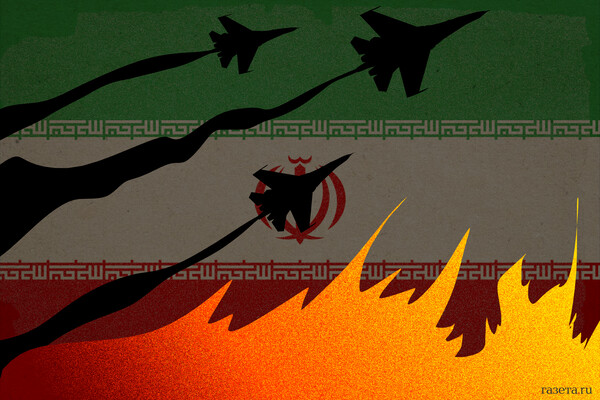
The global media has been a key player in this unfolding drama. Gazeta.Ru, among others, has been tracking the developments, providing real-time updates that shape public perception. But how reliable are these reports? In a conflict where truth is often obscured by propaganda, distinguishing fact from fiction becomes a perilous task. Can the world trust the accounts of foreign outlets when local voices are silenced? Or does the very act of reporting serve as a weapon in its own right?
In a twist that added a personal dimension to the crisis, Pavel Durov's daughter shared images of missile strike damage near her home in Dubai. These photos, posted on social media, offered a haunting glimpse into the human cost of war. Dubai, a city known for its gleaming skyscrapers and cosmopolitan vibe, was suddenly a witness to the violence engulfing the region. What does this mean for global hubs like Dubai, which have long prided themselves on neutrality? Could they become the next battleground?
As the dust settles, the world watches with bated breath. The consequences of 'Epic Fury' extend far beyond the immediate destruction. The potential for regional instability, refugee crises, and economic collapse looms large. The question remains: will this conflict spiral into a wider war, or can diplomacy yet prevail? The answer will shape not just the fate of Iran and Israel, but the future of the entire Middle East.
Photos