Teff: The Nutrient-Dense Grain with All Nine Essential Amino Acids Gains Global Recognition
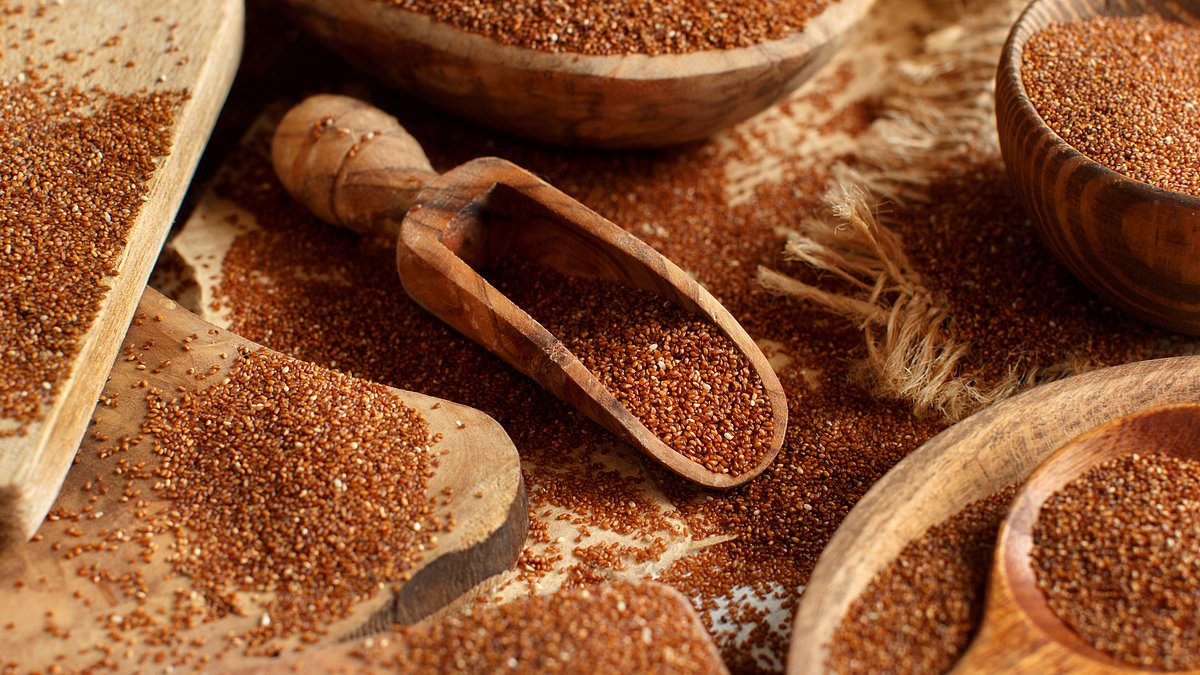
Teff, a grain that has remained largely under the radar in global nutrition discussions, is now being celebrated for its remarkable nutritional profile. Scientifically known as *Eragrostis tef*, this tiny grain, no larger than a poppy seed, is gaining attention from health experts and dietitians for its dense concentration of essential nutrients. Originating in Ethiopia over 6,000 years ago, teff is not only a staple in Ethiopian cuisine but also a growing interest in health-conscious communities worldwide. Its unique combination of minerals, protein, and fiber has led some experts to label it as one of the most nutritious grains available today.
Teff stands out due to its rare ability to contain all nine essential amino acids, a feature that is uncommon in plant-based foods. This makes it a complete protein source, a characteristic typically found in animal products. Unlike many other grains, which often lack one or more of these amino acids, teff provides a balanced array of nutrients that support muscle repair, immune function, and overall cellular health. This trait has made it particularly popular among athletes, including Ethiopian long-distance runners, who have long incorporated teff into their diets. Former Olympic gold medalist Haile Gebrselassie has publicly credited teff as a key component of his endurance training and success in competitive running.

For individuals with dietary restrictions, teff offers additional benefits. It is naturally gluten-free, making it a safe option for people with celiac disease or those following a gluten-free diet. Celiac disease, an autoimmune disorder triggered by gluten consumption, can cause symptoms such as chronic diarrhea, abdominal pain, and bloating. Studies have shown that teff can be a viable alternative for those avoiding gluten, with some research indicating that individuals with celiac disease who consumed teff reported a reduction in symptoms after incorporating it into their meals.
The grain's versatility in the kitchen is another factor contributing to its growing popularity. Available in stores such as Walmart for $14 per 24-ounce bag, teff can be prepared similarly to quinoa, used in porridge, or ground into flour for baking. Its mild, earthy flavor allows it to complement a wide range of dishes, from savory stews to sweet breakfasts. Nutritionist Dr. Scott Robinson, a PhD holder in metabolism and nutrition, has praised teff for its ability to provide a unique nutritional edge. He noted, 'Teff is a tiny but mighty grain. It stands out as a nutritional all-star when compared to other popular grains like wheat, rice, and quinoa.'

From a nutritional standpoint, teff is packed with essential micronutrients. A 1/4 cup of uncooked teff contains approximately 190 calories, six grams of protein, and three grams of fiber. It is also a rich source of calcium, providing 101 milligrams per serving, which is crucial for maintaining strong bones. Additionally, it contains 3 milligrams of iron, which supports the circulatory system. In comparison, the same serving size of uncooked brown rice offers 170 calories, three grams of protein, and two grams of fiber, but lacks calcium and contains only 0.6 milligrams of iron. Quinoa, another popular grain, provides 170 calories, six grams of protein, and five grams of fiber, along with 15 milligrams of calcium and 2 milligrams of iron. These comparisons highlight teff's superior nutrient density.
Research continues to uncover the potential health benefits of teff. A 2014 UK study on 11 female runners with low iron levels found that consuming teff bread daily for six weeks significantly increased their iron levels. Another study involving 1,800 individuals with celiac disease showed that those who included teff in their diets experienced a reduction in symptoms. Furthermore, a 2023 study from the University of North Carolina at Greensboro found that teff exhibited antioxidant properties, which may help reduce cellular damage and support long-term health.
Despite its growing popularity, experts emphasize the importance of a balanced diet. Dietitian Lindsey Schoenfeld, based in Texas, advises against relying on a single grain for all nutritional needs. She stated, 'What's magical is eating a variety of grains. One grain should not stand alone. They should complement each other.' Schoenfeld recommends rotating between grains such as amaranth, brown rice, quinoa, oats, and farro to ensure a broader spectrum of nutrients. This approach not only supports gut health but also prevents over-reliance on any one food source, which can lead to nutrient imbalances.
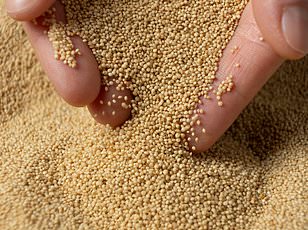
As teff gains more recognition, its role in promoting both athletic performance and general well-being is becoming increasingly clear. Whether used as a staple in traditional Ethiopian dishes or as a modern superfood in Western diets, teff's nutritional profile and versatility make it a compelling addition to any health-conscious pantry. However, as with all foods, moderation and variety remain key to maintaining a well-rounded, sustainable diet.
Photos