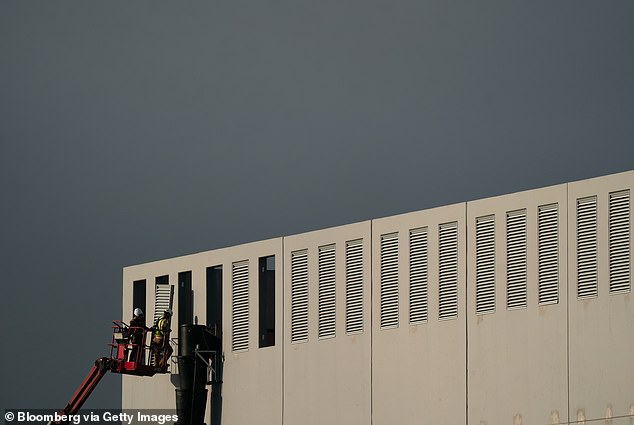
Tech Giants Fuel Housing Crisis as Corporate Land Grabs Displace Communities in Northern Virginia
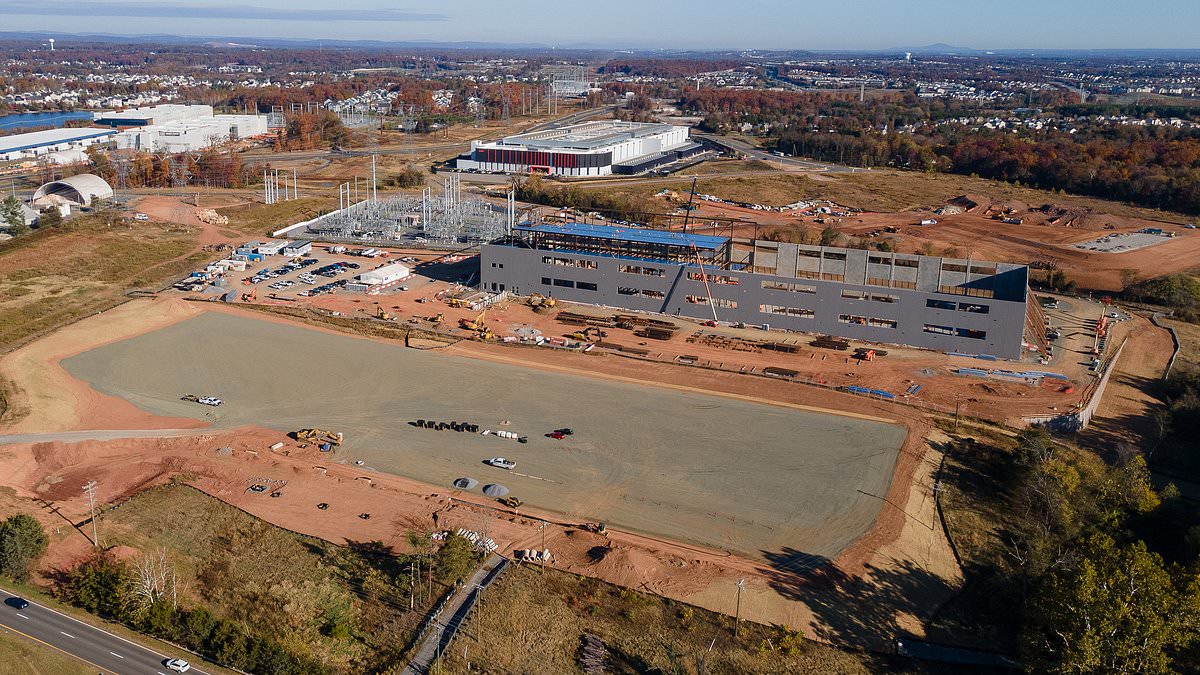
Residents across the nation are watching helplessly as the housing crisis deepens, not from a lack of demand, but from a surge in corporate land grabs. Tech giants like Amazon, Google, and Microsoft are outbidding homebuilders by staggering margins, turning potential neighborhoods into sprawling data centers that drain local energy grids and push electricity costs to unsustainable levels. In Northern Virginia, the heart of the global data center boom, land that once promised new homes now fuels the AI arms race. Last November, Stanley Martin, a homebuilder, sold Amazon a 700-million-dollar parcel of land in Bristow, Virginia—land it had purchased for just 50 million dollars a few years earlier. The deal, a stark illustration of the economic imbalance, left 516 planned homes in limbo, with developers now eyeing the same region for data center expansion.
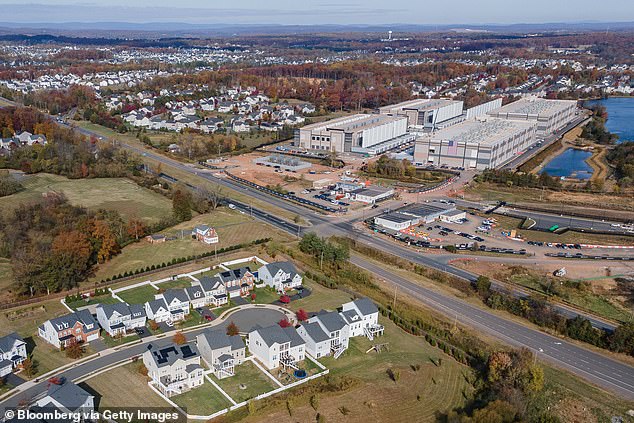
The consequences are immediate and devastating. According to the Virginia Association of Realtors, the area is facing a shortage of 75,000 homes, a figure that underscores the displacement caused by corporate land acquisitions. Nearby, another developer scooped up a 250-home housing project called Village Place for $31 million, demolishing plans for a community that could have eased the region's housing crunch. These developments are not isolated incidents. Across the country, data center developers are snapping up residential land at rates that make homebuilding economically impossible. In Texas, land prices near Dallas have skyrocketed from $20,000 to $350,000 per acre in some areas—a 1,650% increase that has left homebuilders with no viable financial model.
The energy crisis is compounding the housing disaster. Federal data shows residential electricity prices in Illinois jumped 20% in September 2024 alone, with similar spikes in Ohio and Virginia. A 2023 Virginia state study warned that data centers could drive the state's energy use up by 183% by 2040—over 15 times the projected growth without such infrastructure. The burden falls squarely on residents, with the study estimating electricity bills could rise by as much as 25% in some regions. Yet, the boom shows no signs of slowing. OpenAI, in partnership with Nvidia, is planning data centers that could consume 17 gigawatts of electricity—enough to power all of Switzerland and Portugal combined, according to Cornell University professor Fengqi You.
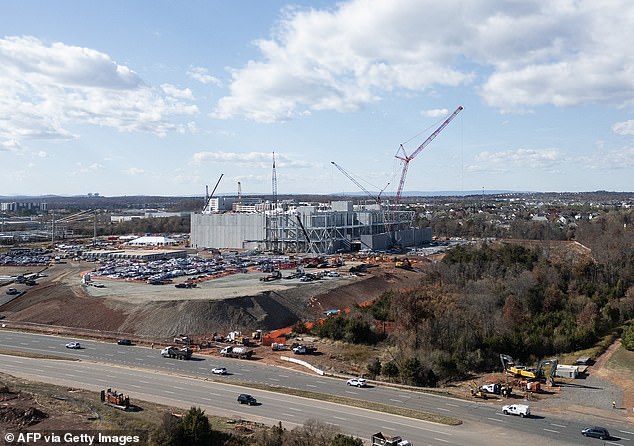
Local governments are scrambling to respond. In Prince William County, data center developers have offered landowners up to $1 million per acre, turning rural properties once worth tens of thousands into million-dollar assets. The county's planning commission member, Chris Carroll, admits that other forms of development are being 'priced out left and right.' Homeowners near these sites are livid, frustrated by the industrial noise, the risk of higher bills, and the erasure of their communities. Elena Schlossberg, an anti-data center activist, says, 'Nothing can live next to data-center development like this except more data-center development.'
Efforts to rein in the data center frenzy are gaining traction. Loudoun County has mandated that new data centers be approved by its County Board, while a state bill aims to restrict such developments to industrial zones. In Georgia, a law passed in January 2024 requires data centers and utility companies to agree on contract terms to protect residents from rate hikes. Critics, however, argue the protections are insufficient, as the Public Service Commission could still raise rates in response to data center demand. Meanwhile, Deshundra Jefferson, chair of Prince William County's supervisor board, has championed housing over data centers, opposing plans like Digital Gateway, which aims to convert 2,000 acres into 37 data centers.
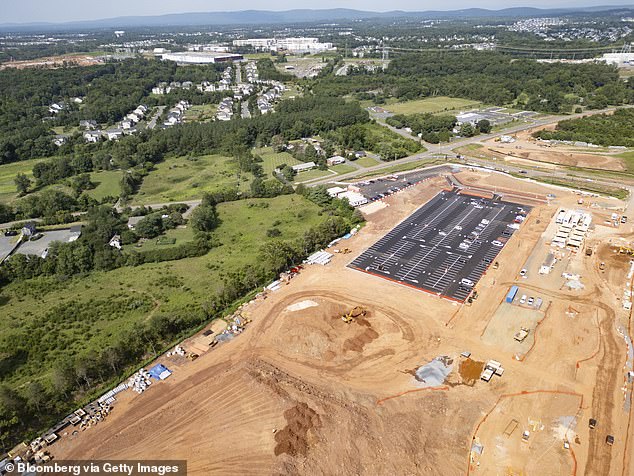
Tech giants, undeterred, continue to pour money into local politics. Amazon alone has contributed heavily to Prince William County's board of supervisors, leveraging its influence to secure land deals. A company spokesperson claims its data centers 'create high-quality jobs and generate significant local property tax revenue that helps fund schools, public safety, and infrastructure.' But for residents like those in Bristow, the cost is measured not in dollars, but in the loss of homes, the erosion of community, and the creeping threat of a future where the only new structures are the cold, humming monoliths of the digital age.
Photos