T. rex May Have Run on Toes, Study Challenges Dinosaur Movement Theories
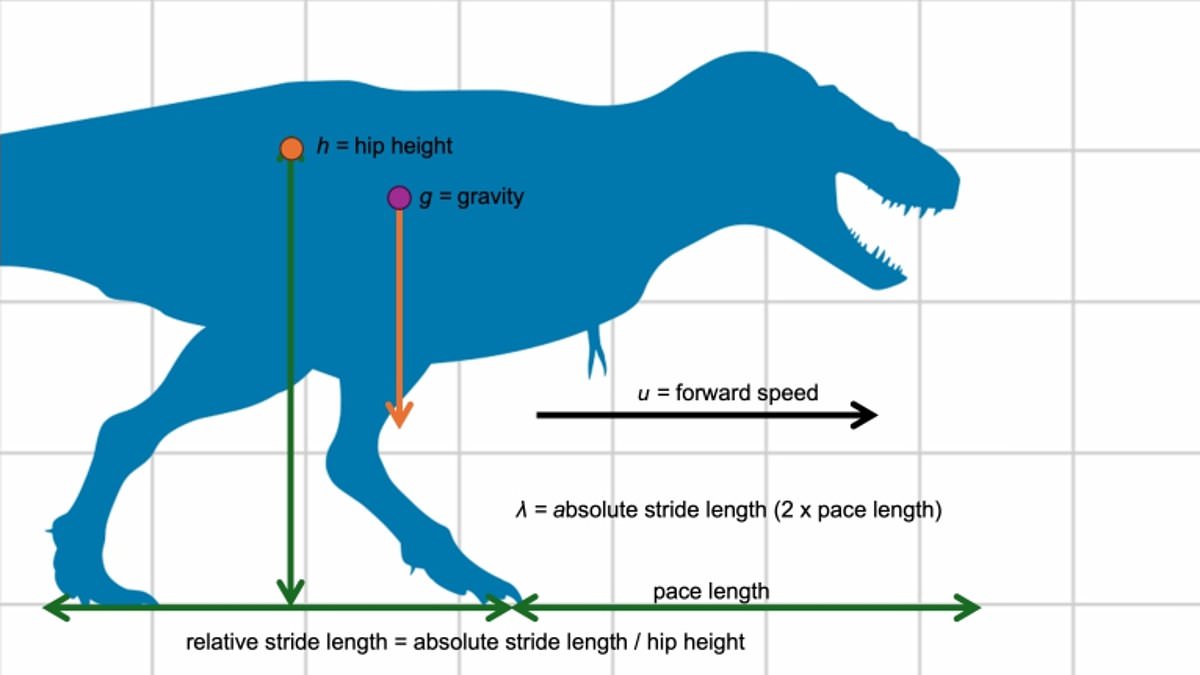
The revelation that Tyrannosaurus rex may have run on its toes has sent shockwaves through the paleontology community. For decades, the image of a lumbering, heel-first giant stomping across the Cretaceous landscape has defined the dinosaur's movement. But a groundbreaking study published in the journal Royal Society Open Science challenges that assumption. By analyzing T. rex anatomy, fossilized footprints, and the locomotion of modern birds, researchers argue that the apex predator of its time moved with a surprising dexterity. The findings suggest the dinosaur's foot-strike pattern was toe-first—a discovery that could reshape our understanding of how these creatures dominated their environment.
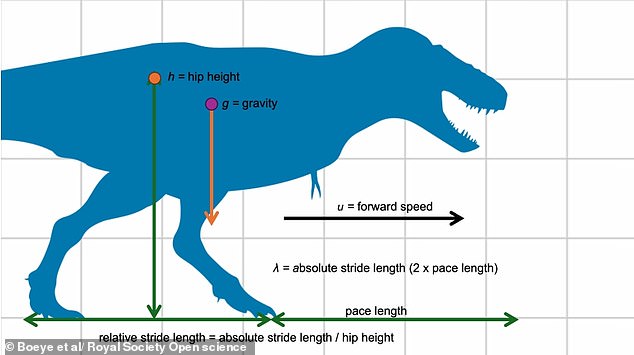
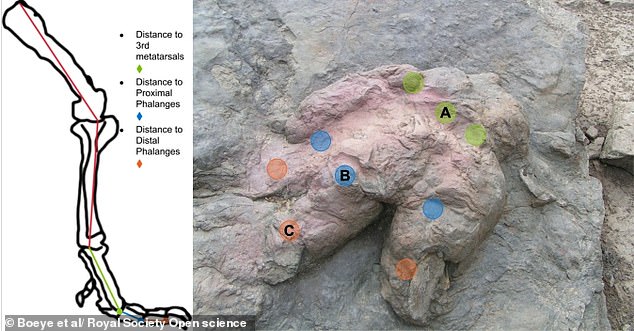
The study, led by researchers at the College of the Atlantic in Maine, meticulously reconstructed the biomechanics of T. rex locomotion. Scientists compared the fossilized impressions of T. rex footprints with the skeletal structure of the dinosaur and the gait of birds, which are considered living descendants of theropod dinosaurs. Their model revealed that the distal portions of T. rex's toes made initial contact with the ground, a stark contrast to the previously assumed heel-first motion. This toe-first gait, they argue, would have allowed for greater agility and speed than previously believed. The implications are profound, as this shift in understanding could alter how scientists interpret the ecological dominance of T. rex.
The study's conclusions are backed by quantitative data. The researchers estimate that T. rex could have reached speeds of 5 to 11 meters per second—equivalent to 24.6 miles per hour (39.6 km/h). This is a 20% increase over earlier estimates, which had placed its maximum speed at around 20 mph. For context, Usain Bolt's world record of 27.78 mph (44.72 km/h) is the fastest ever recorded by a human, but the study suggests T. rex's stride efficiency and stride frequency may have allowed it to close gaps quickly. The model also indicates T. rex took proportionally shorter strides with higher step frequencies, a gait more akin to modern birds than the lumbering movements often depicted in media.
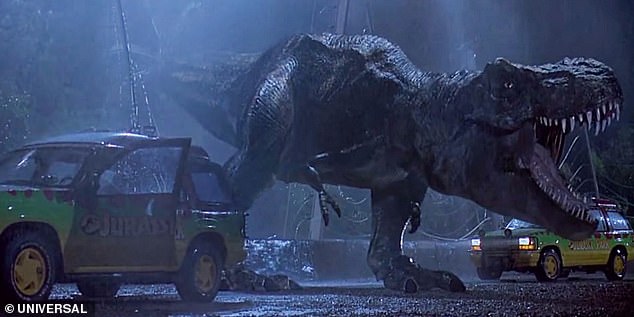
The findings challenge the iconic image of T. rex as a slow, ponderous creature. The toe-first gait, which aligns with the locomotion of birds, suggests a level of dexterity previously unacknowledged. Researchers note that the fossil record has long been limited in its ability to capture the true size and movement of dinosaurs. A separate study published in 2024 found that T. rex may have weighed up to 15 tonnes—70% heavier than earlier estimates. Dr. Jordan Mallon, a co-author of the study, emphasized the significance of these revelations: 'We have no idea from the fossil record about the absolute sizes they might have reached. The implications are interesting from a biomechanical or ecological perspective.'
Beyond locomotion, the study also touches on the potential for T. rex to have had iron-coated teeth, a discovery that could explain how these predators processed their prey. Researchers have found that the serrated edges of Komodo dragon teeth are tipped with iron, which may have enhanced their ability to tear flesh. If similar adaptations existed in T. rex, they could have played a crucial role in its predatory success. This interconnected web of discoveries—ranging from gait to weight to dental structure—paints a picture of a dinosaur far more complex than previously imagined.
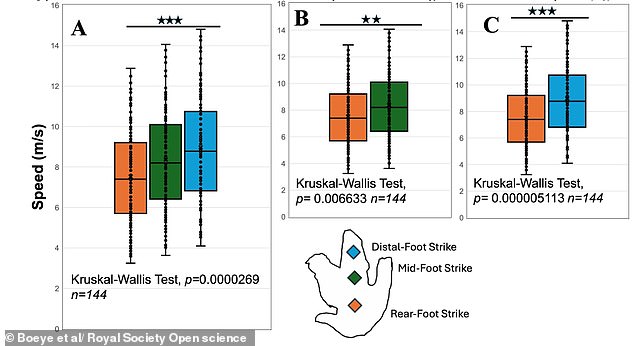
The urgency of this research is underscored by the fact that the fossil record is inherently incomplete. Each new discovery forces scientists to reconsider long-held assumptions. The implications of a toe-first gait extend beyond paleontology; they affect ecological models, predator-prey dynamics, and even the interpretation of dinosaur behavior in popular culture. As the study's authors note, 'This work represents the first quantitative analysis of the effects of foot-strike patterns in the gait of Tyrannosaurus.' Their findings are a reminder that science is an evolving field, and every new piece of evidence has the potential to upend centuries of understanding.
Photos