Surge in Pancreatic Cancer Among Young Adults Sparks Medical Alarm
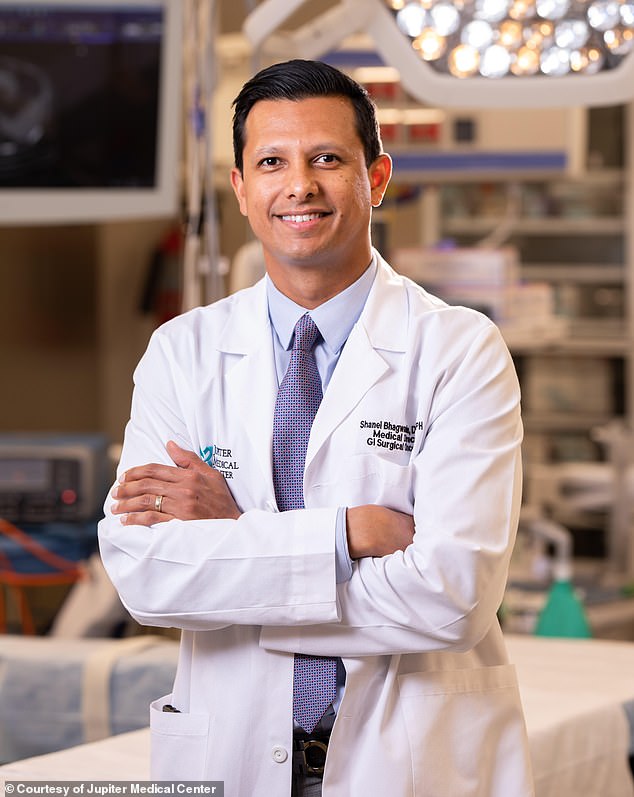
The rise in pancreatic cancer cases among younger adults has sparked a quiet but urgent alarm among medical professionals. For years, this disease was largely dismissed as an affliction of the elderly, a cruel fate reserved for those with decades of accumulated risk factors like smoking, obesity, or diabetes. But recent data and patient stories are challenging that narrative. Doctors now report a troubling shift: younger patients, often in their 30s, 40s, and even their 20s, are being diagnosed with pancreatic cancer at rates that defy conventional expectations. 'It's one of the most concerning trends we're seeing in clinic,' said Dr. Shanel Bhagwandin, a gastrointestinal surgeon at Jupiter Medical Center in Florida. 'These are patients who don't fit the stereotypical profile.'
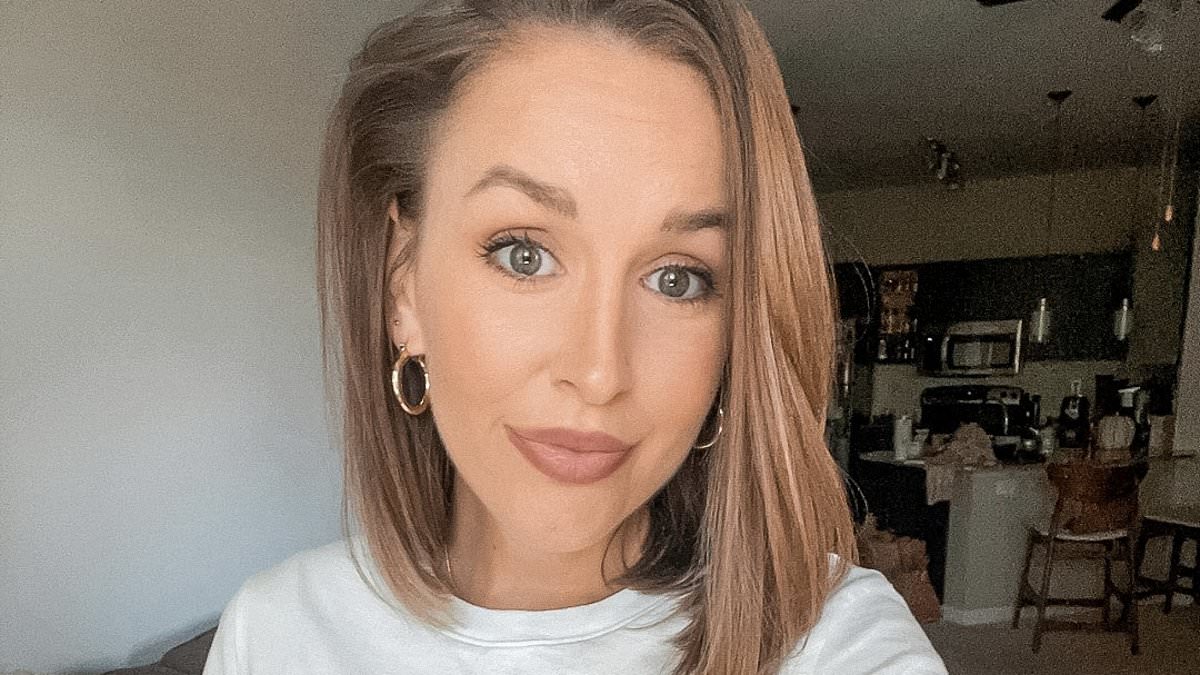
The statistics back this up. Between 2000 and 2021, pancreatic cancer diagnoses increased by 4.3% annually among Americans aged 15 to 34, and by 1.5% among those 35 to 54. While the absolute numbers remain small, the trend is undeniable. Holly Shawyer, a 35-year-old teacher from South Carolina, was diagnosed with stage one pancreatic cancer after experiencing sudden, intense stomach pain she initially thought was an ulcer. 'Getting diagnosed in my thirties felt like someone hit pause on my life,' she said. 'I was healthy before this. I didn't think cancer was even a possibility.'

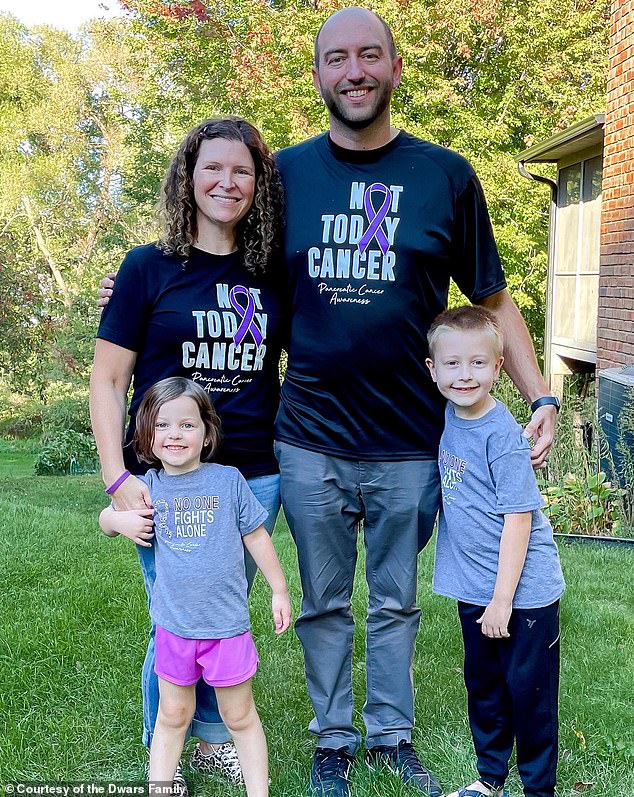
Ryan Dwars, a father of two from Iowa, was diagnosed with stage four pancreatic cancer at 36. He described a lingering pain radiating from his left side into his chest, which he initially assumed was muscular or stress-related. 'I never thought I'd be treating people in their twenties,' said Dr. Kim Reiss, a medical oncologist at the University of Pennsylvania Health System. 'And it's difficult, because you know how serious the disease is.'
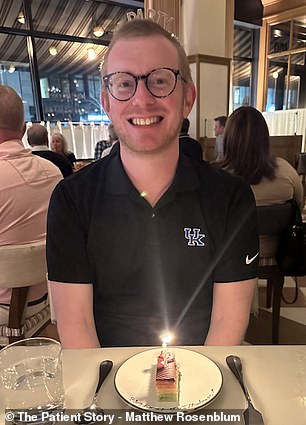
The stealth of pancreatic cancer lies in its early symptoms—vague, easily dismissed, and often mistaken for something less severe. Persistent abdominal or back pain, unexplained weight loss, changes in digestion, fatigue, or itching can all be early clues. Yet, as Dr. Amar Rewari, chief of radiation oncology at Luminis Health, noted, 'They'll tell me they felt unwell, or not quite themselves, but they can't point to a single symptom.' It's only in hindsight that the pattern becomes clear. Matthew Rosenblum, a 32-year-old social scientist from Michigan, noticed his stools turning 'bone-white' and his weight dropping rapidly. He thought it was a hangover. 'I had a few beers the night before, so I drank some Gatorade and lay in bed—but the urine didn't get lighter.'
The social scientist and geographer, now cancer-free after surviving stage four pancreatic cancer, recalled the moment he realized something was wrong. 'I had intense itching on my palms and the soles of my feet,' he said. 'That's when I started to panic.' According to MD Anderson Cancer Center, this itching can occur when a tumor blocks the bile duct, causing bile salts and bilirubin to back up into the bloodstream. The same process leads to jaundice, a hallmark of advanced pancreatic cancer. But by then, the disease is often too far advanced for curative treatment.
Doctors warn that pancreatic cancer is frequently diagnosed too late because its early signs are so subtle. 'Pancreas cancer whispers before it screams,' Bhagwandin said. 'You don't get a lot of obvious red flags.' The disease is often detected after it has spread beyond the pancreas, at which point surgery—the only potential cure—is no longer an option. Overall, just 12% of patients survive five years after diagnosis, and the majority do not live more than a year. For decades, pancreatic cancer has been regarded as a death sentence, with survival rates that lag far behind those of other cancers.
Yet the demographics of the disease are changing. Historically, it was associated with long-standing risk factors like smoking, obesity, or type 2 diabetes. But now, doctors see patients who are otherwise healthy, who exercise, work full-time, and have no obvious risk factors. 'Patients are getting younger, and many of them look otherwise healthy,' Bhagwandin said. 'They exercise, they work full time. They don't fit the picture we were taught to expect.'
Experts suspect that rising rates of obesity, insulin resistance, and early metabolic disease among younger adults may be playing a role. 'We're seeing increasing rates of obesity and prediabetes even in younger age groups,' Bhagwandin said. 'They increase inflammation and cancer risk overall.' Smoked and processed meats, which contain preservatives like nitrates and nitrites that can form DNA-damaging nitrosamines, are also under scrutiny. Reiss, who avoids processed meats, emphasized the importance of diet: 'If you have the ability to do that, it's something I'd encourage.'
Environmental factors are also being investigated. Pesticides, used on roughly 70% of the U.S. food supply, are thought to disrupt cellular signaling pathways and gene expression in major organs, including the pancreas. 'There's likely something environmental contributing to this,' Reiss said, though she stressed that the evidence is still emerging. Meanwhile, epigenetic research is shedding light on how changes in gene programming, rather than direct mutations, may fuel cancer metastasis. A study led by Dr. Andrew Feinberg at Johns Hopkins University found that epigenetic alterations—changes in gene expression without altering the DNA itself—may play a critical role in the spread of pancreatic cancer. 'Epigenetic alterations are underappreciated as a major route to developing and fueling the growth of cancer metastasis,' Feinberg said.
Despite the grim statistics, there are reasons for cautious optimism. Robotic Whipple surgeries, which use smaller incisions and reduce complications, are being adopted at centers like Jupiter Medical Center. Targeted drugs, such as PARP inhibitors, are now used in pancreatic cancers driven by inherited BRCA mutations, helping delay progression in some cases. Experimental drugs aimed at interrupting cancer-driving pathways are also in early trials, though most remain years from routine use. 'Survival is improving, but only when patients are treated early,' Bhagwandin said. 'That's the key.'
For now, the message is clear: awareness, speed, and specialist care are critical. 'Pancreatic cancer demands all of these,' Reiss said. 'If we can catch it early, we can make a difference.' But for patients like Shawyer, Dwars, and Rosenblum, the urgency is personal. 'I had to fight for my life,' Rosenblum said. 'And I did. But I know others aren't as lucky.'
Photos