Surge in Hospital-Based Tooth Extractions for Children in England Highlights Soaring Rates of Childhood Tooth Decay
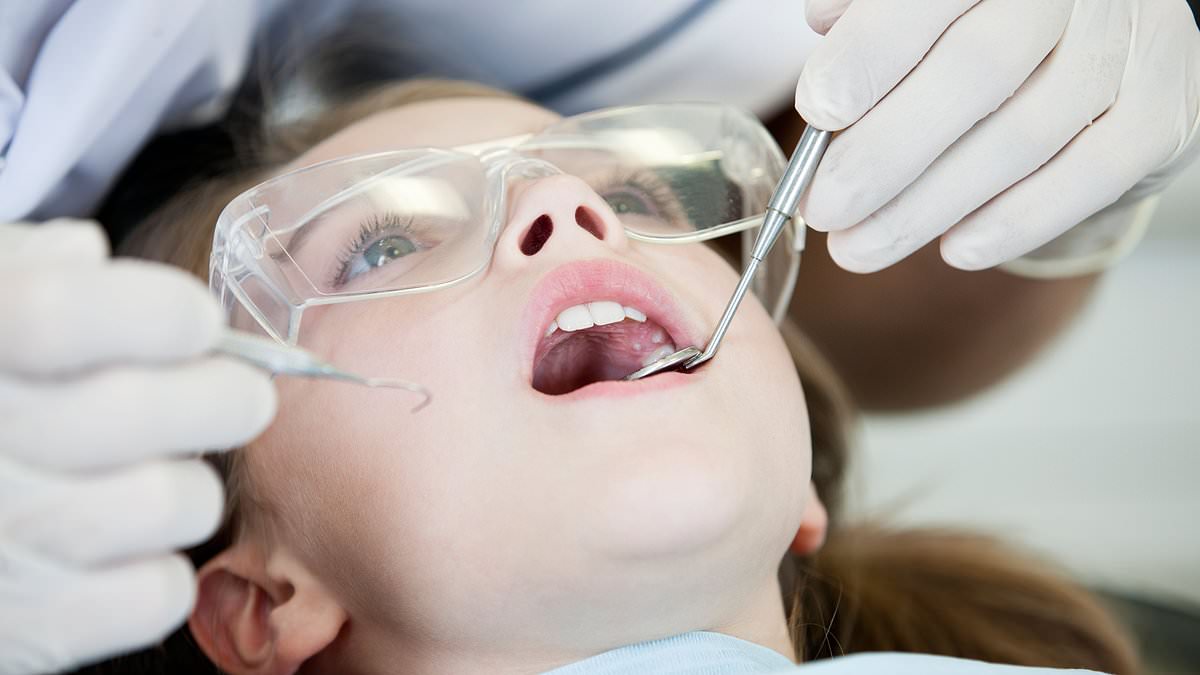
The surge in hospital-based tooth extractions among children in England has sparked widespread concern, with NHS data revealing a staggering 56,143 extractions performed on children and teenagers in the financial year ending 2025. This figure represents a 14 per cent increase from the previous year's total of 49,112, highlighting a troubling trend in children's dental health. The rate of extraction—approximately one every nine minutes—underscores the scale of the issue, with 33,976 of these procedures directly attributed to tooth decay. This accounts for 60.5 per cent of all extractions among children under 19, climbing to 80 per cent for those aged four and under, and 86.5 per cent for children aged five to nine. The data paints a grim picture, with tooth decay now the leading cause of hospital admissions for children aged five to nine.
The disparity in access to care is stark, with children in the most deprived communities over three times more likely to require extraction due to decay compared to their more affluent peers. This inequality raises urgent questions about the distribution of resources and preventive measures within the NHS. Experts have suggested that the rising numbers since 2021 may reflect a gradual recovery of anaesthetic services post-pandemic, but the British Dental Association (BDA) argues that systemic gaps in care persist. BDA chairman Eddie Crouch condemned the figures as a 'badge of dishonour for governments past and present,' emphasizing that tooth decay being the primary cause of child hospital admissions 'cannot go unchallenged.' He called for immediate action to improve access to dental care, despite the existence of targeted preventive programmes.

The British Society of Paediatric Dentistry (BSPD) noted that the NHS data likely reflects the resumption of general anaesthetic services rather than a complete picture of children's oral health. President Dr. Oosh Devalia urged policymakers to prioritize preventive measures, including supervised toothbrushing, water fluoridation, and early access to dental teams. She stressed the need to reduce sugar consumption among under-16s and establish 'dental homes' for every child, ensuring access to a consistent dentist by the age of one. The Royal College of Surgeons of England added that the figures equate to one young person needing an extraction every 15 minutes, with Dr. Charlotte Eckhardt highlighting the impact of avoidable pain, missed school days, and increased hospital admissions. She warned that without systemic reform, 'postcode must never dictate a child's health,' as the government aims to transform the NHS dental system by 2035.
The data has intensified calls for a holistic approach to children's dental care, balancing immediate treatment with long-term prevention. While the NHS continues to address the backlog of procedures, experts warn that without sustained investment in community dental services and public health initiatives, the trend of rising hospital extractions will persist. The challenge now lies in bridging the gap between policy ambitions and on-the-ground implementation, ensuring that every child, regardless of socioeconomic background, has equitable access to preventive care and timely treatment.
Photos