Super-Agers Reveal Surprising Secrets to Looking Younger and Living Longer
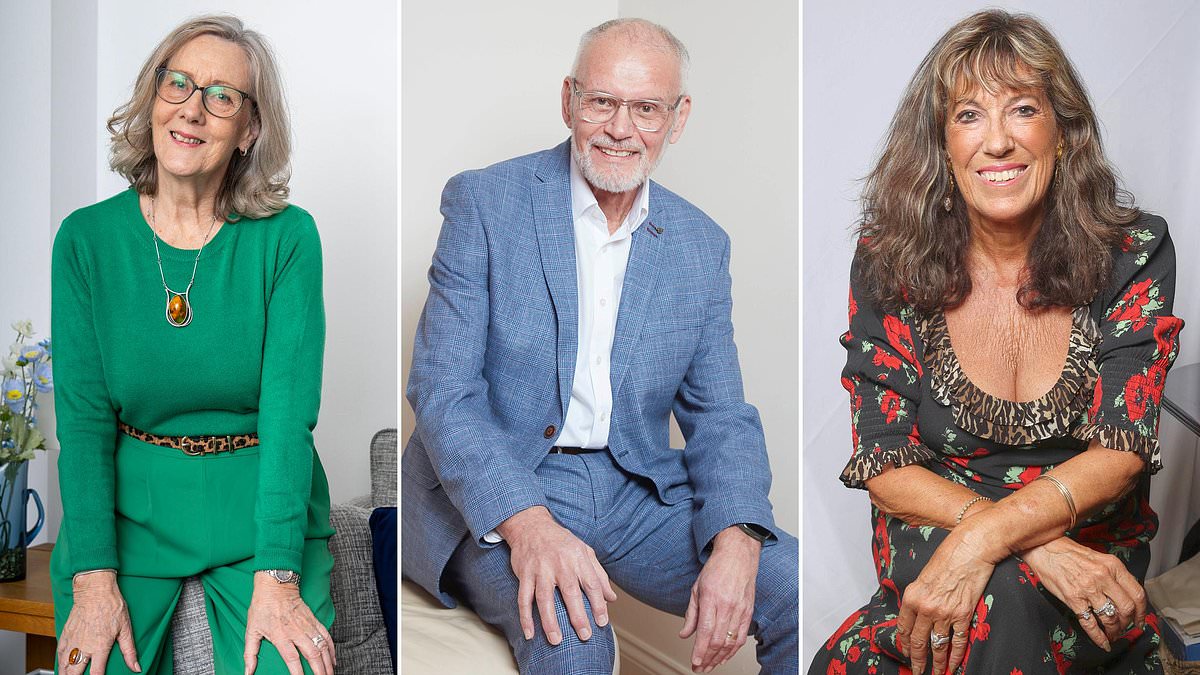
How looking younger than your age could be the secret to a long life: These 'super-agers' reveal the regimes that have kept them decades below their biological age – from what they eat to how much they move (and the surprising thing they avoid)
It is one of the ultimate questions that scientists have been wrestling with for decades: how can we predict how long someone will live? And when people naturally look younger than their years, or live to 100, what is their secret? Is it written in their DNA, just good luck, or can we learn something from their lifestyles to boost our own health and lifespan, as well as our looks? It's a fascinating argument among the growing number of experts working in longevity science – the field of healthy ageing. For years, studies have analysed huge numbers of people – including so-called 'super-agers' who live remarkably long and healthy lives – to examine the factors that influence ageing. It's tempting to conclude that it is largely out of our control, and that the genes we inherit dictate how long we'll live. But the evidence suggests something rather surprising: namely that our genetic make-up, which dictates everything from eye colour to susceptibility to disease, actually contributes an effect of only about 20 per cent. Lifestyle – diet and exercise, in other words – is considered overwhelmingly more important. Studies also suggest that if you look at least five years younger than your actual age, you may be less at risk of some of the most common conditions of ageing, from bone-thinning disease osteoporosis to lung disease, hearing loss and cataracts. Youthful looks have also been associated with better thinking and memory skills.
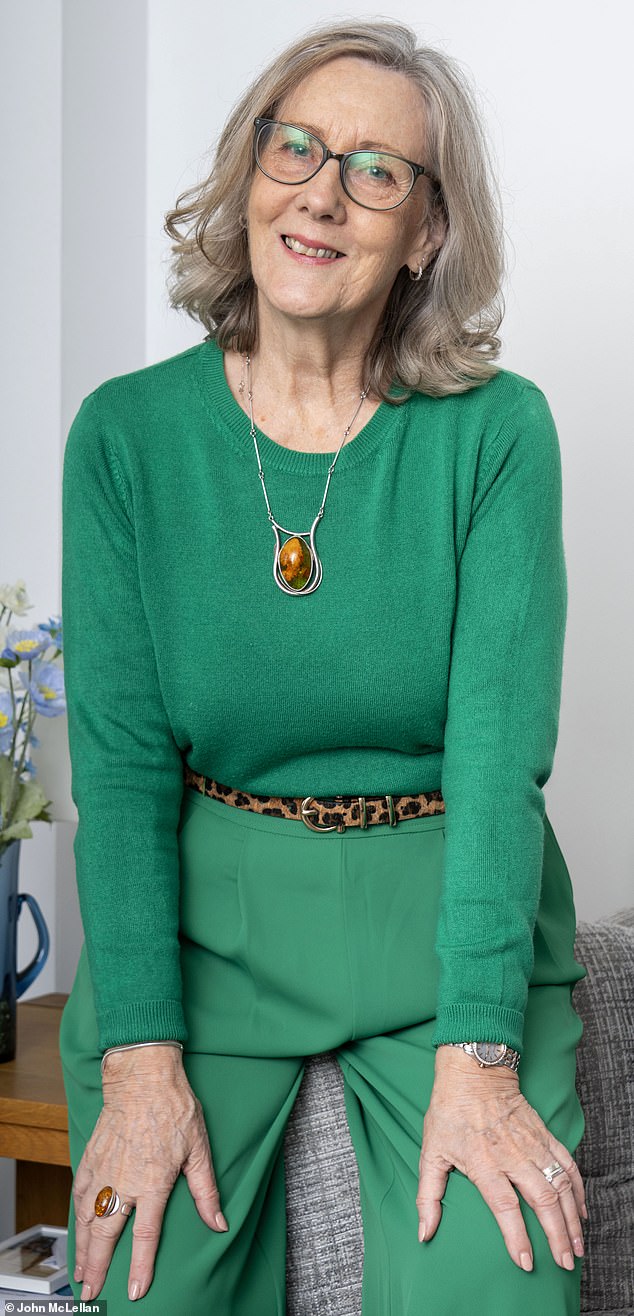
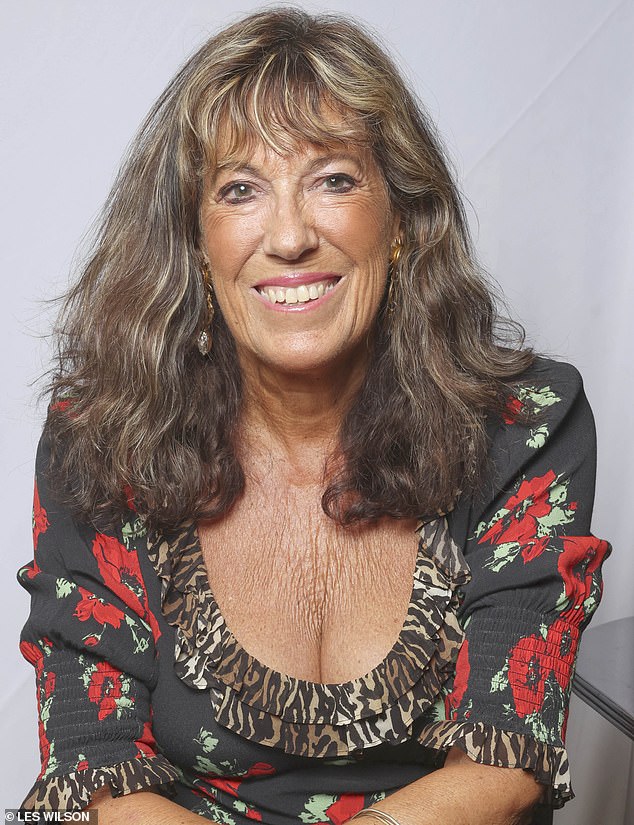
Chrissie Turner, 80, from Eastrea, Cambridgeshire, has now outlived all of her family. Barry Squance, 76, a retired chiropodist from Wells, Somerset, plays golf and goes walking and cycling. Gillie Coghlan, 72, lives in the Cotswolds and is highly active. To test this out, The Mail on Sunday's resident GP columnist, Dr Ellie Cannon, asked readers to get in touch if they believed they looked younger than their years. Dozens aged between 62 and 90 wrote in with photographic evidence, and we spoke to three, who all look more youthful than their passport suggests. And taken together, their experiences paint an intriguing picture of the factors that influence healthier ageing. All, for example, cook from scratch and avoid heavily processed foods. None are meaningfully overweight or have serious health conditions, and none smoke or drink heavily. In every case they lead fulfilling and sociable lives, with wide circles of friends. Most get regular exercise or at least stay active. Certainly none of them see their advancing age as a barrier to living their lives fully, and all view the world through a positive, optimistic lens. And while some have parents or grandparents who lived into their 90s and beyond, others have succeeded in reaching an older age despite losing parents and siblings significantly earlier.
It means, perhaps, that we could all learn a little from them. As 76-year-old self-confessed 'eternal optimist' Barry Squance put it: 'I never take life for granted, but grasp it with both hands and live it to the utmost.' And another, Gillie Coghlan, 72, who had been at a gig and got home at 2am the night before our interview, said: 'Nothing scares me more than a routine or settling down. I'm me for ever – my age is completely irrelevant.' It's positive, too, that the main message from experts is that it is never too late to make changes which could not only extend your life, but could give you more years of good health. Professor Ilaria Bellantuono, co-director of the Healthy Lifespan Institute at the University of Sheffield, says: 'There are various studies which tell us different things about the extent of the role genetics plays. But the key takeaway is that lifestyle choices are powerful tools. If you give mice a McDonald's-style diet, they accumulate lots of what we call senescent cells – they don't die off, and they secrete a lot of inflammatory factors that hamper the function of multiple tissues in the body. But if they follow the same diet and also exercise, they don't accumulate these cells in the same way.'
What if the secret to a longer, healthier life lies not in a miracle drug, but in the way we choose to live each day? The evidence points to a simple truth: longevity is not solely determined by luck or genetics. It is deeply tied to the daily habits we adopt. Consider the Blue Zones – regions of the world where people live significantly longer lives. These areas, such as Okinawa in Japan or Sardinia in Italy, share common traits: diets rich in whole foods, regular physical activity, strong social networks, and a mindset of contentment. These patterns mirror the lives of the super-agers profiled in the study, suggesting that even in industrialized societies, similar principles can be applied.

Diet emerges as a cornerstone of longevity. The super-agers in the study avoided ultra-processed foods, opting instead for whole, nutrient-dense meals. This aligns with research indicating that diets high in fruits, vegetables, whole grains, and lean proteins are linked to lower rates of chronic disease. The Mediterranean diet, for example, has long been associated with extended life expectancy. Yet, the role of food goes beyond mere nutrition. It is also a cultural practice, a social activity that fosters connection. The super-agers' meals often included shared meals with family and friends, reinforcing the idea that food is not just fuel but a catalyst for human bonds.
Exercise, too, plays a pivotal role. While the exact amount of physical activity needed to prolong life remains debated, evidence consistently shows that inactivity is harmful. Even small changes, like standing up once an hour or taking a short walk, can make a difference. The super-agers in the study engaged in a variety of physical activities, from walking and cycling to strength training. This diversity is crucial, as it prevents overuse injuries and maintains overall fitness. For those over 80, studies have shown that even a few weeks of strength training can improve mobility and vitality. The key takeaway is clear: movement, in any form, is a vital component of a long, healthy life.
Optimism is another surprising factor. Research has long linked a positive outlook to longevity, with one 2019 study finding that the most optimistic individuals were significantly more likely to live past 85. Optimism, however, is not a standalone trait. It is often intertwined with healthier behaviors – exercising more, eating better, and building stronger social networks. The super-agers in the study exemplify this connection. They maintained strong relationships, engaged in hobbies, and avoided isolating themselves. Their stories underscore a profound truth: a positive mindset can be a powerful buffer against the stresses of aging.
Sleep, often overlooked, is another critical element. All the super-agers in the study reported consistent sleep patterns, a factor strongly associated with lower risks of cardiovascular disease, diabetes, and inflammation. Yet, modern lifestyles often disrupt sleep through screens, caffeine, and irregular schedules. The challenge is not just in falling asleep but in maintaining quality rest throughout the night. For those struggling with sleep, small adjustments – like avoiding screens before bed or creating a calming bedtime routine – can have a profound impact.
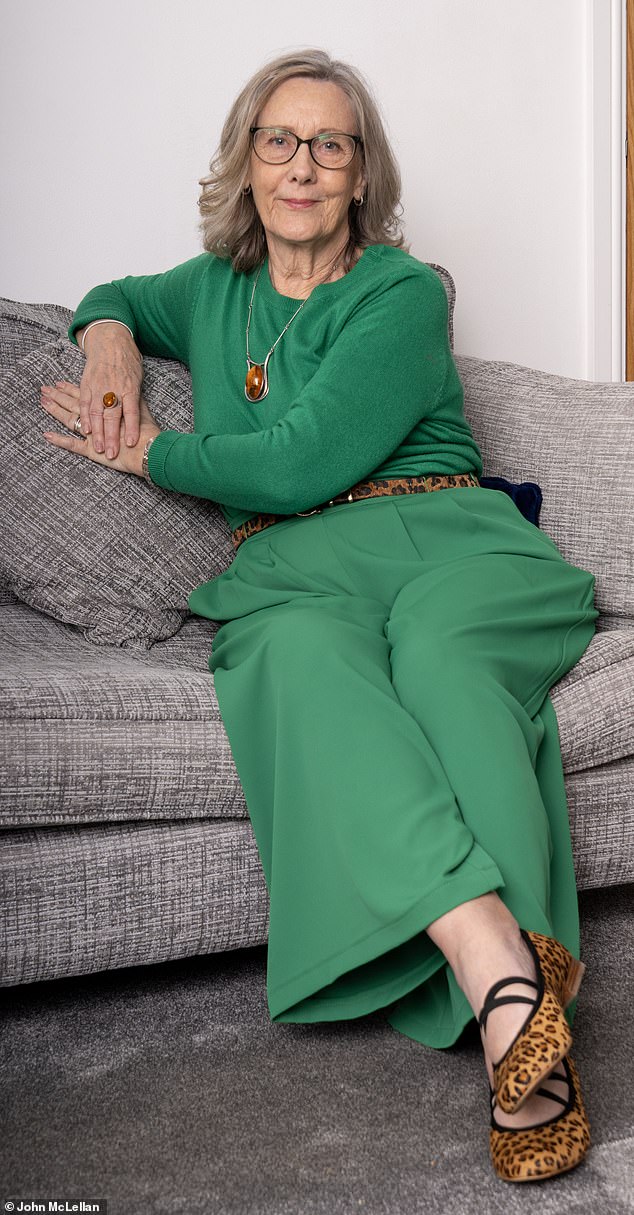
Genetics, of course, cannot be ignored. Recent studies suggest that genes may account for up to 50 per cent of longevity, challenging earlier assumptions that lifestyle was the sole determinant. However, this does not negate the importance of environment and behavior. As Professor Bellantuono notes, families often share cultural habits that influence health. A parent who cooks from scratch may pass on this skill to their children, creating a legacy of healthy living. Yet, it is possible to defy family patterns, as seen in Gillie Coghlan's case. Her father died young, yet she has adopted a lifestyle that keeps her vibrant and active. This duality – the interplay of genetics and personal choice – is a complex but empowering reality.
The super-agers' stories are not just about individual success; they are a call to action. Aging does not have to mean decline. It can be a time of growth, connection, and fulfillment. By adopting habits that prioritize health, relationships, and joy, we can all take steps toward a longer, more meaningful life. The question is no longer whether it is possible – the evidence is clear. The challenge is whether we are willing to change.
Photos