Study Warns of Erythritol's Potential Role in Increasing Stroke Risk

A recent study has reignited concerns about the health risks of erythritol, a sugar substitute found in countless sugar-free products, from energy drinks to protein bars. Researchers at the University of Colorado exposed human cells to erythritol in laboratory conditions, mimicking the levels found in a single can of diet soda. Within just three hours, the findings revealed alarming changes in the cells that form the blood-brain barrier, a critical defense mechanism that shields the brain from toxins while allowing nutrients to pass through. This discovery has sparked warnings about the potential role of erythritol in increasing stroke risk, even as it is marketed as a healthier alternative to sugar.

The study, published in the *Journal of Applied Physiology* in July 2023, found that erythritol significantly reduced the production of clot-busting proteins, which are essential for preventing strokes. Simultaneously, blood vessel cells became dangerously constricted, raising the likelihood of blockages that could trigger a stroke or deprive the brain of oxygen. These findings are particularly troubling given the sharp rise in stroke rates among young adults, which the CDC reports has surged nearly 15% since 2011. Researchers emphasize that while erythritol is a naturally occurring sugar alcohol, its effects on vascular health warrant further investigation.
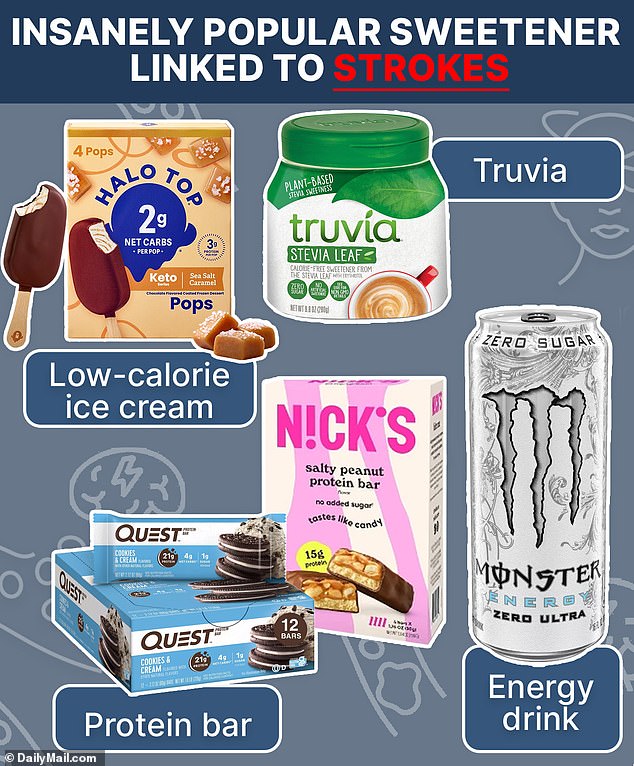
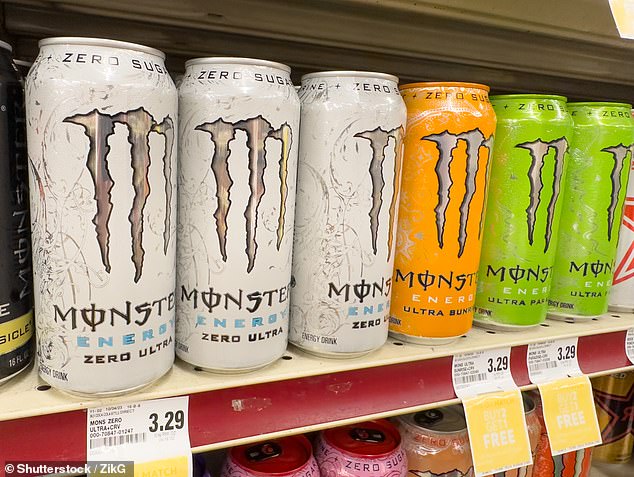
Erythritol is a common ingredient in popular products such as Monster Energy Zero Ultra, Halo Top ice creams, and Quest protein bars. Aubry Berry, the graduate student who led the study, cautioned that consumers should be mindful of their daily intake of the sweetener. 'More research is needed to fully understand its impact on vascular health,' she said in a press release, highlighting the urgency of addressing potential long-term consequences. Despite these warnings, the study's limitations—such as its focus on isolated cells rather than live human subjects—mean that further research is essential to confirm its findings.
The study adds to a growing body of evidence linking erythritol to cardiovascular risks. A 2023 study involving over a thousand patients found that individuals with the highest blood levels of erythritol were twice as likely to experience major cardiac events, including strokes, compared to those with lower levels. These results have prompted health experts to call for greater transparency in food labeling and consumer education about the hidden dangers of artificial sweeteners. However, unlike other artificial sweeteners such as aspartame and sucralose, erythritol is not synthetic—it is naturally produced in small amounts by the human body and is about 80% as sweet as sugar.
While erythritol is often promoted as a tool for reducing sugar intake and aiding weight loss, some studies have raised concerns about its potential to disrupt the human microbiome, possibly leading to unintended metabolic effects. The debate over its safety has intensified as health officials, including Health and Human Services Secretary Robert F. Kennedy Jr., have criticized artificial sweeteners more broadly, though he has not specifically targeted erythritol. 'We need to give Americans knowledge about how much sugar is in their products,' he stated in a 2024 press conference, underscoring the need for clearer nutritional guidelines to protect public health.
As the scientific community grapples with the implications of this research, consumers are left to navigate a complex landscape of health claims and potential risks. The findings underscore the importance of continued scrutiny of food additives, even those marketed as 'healthy.' With stroke rates rising and the public increasingly reliant on sugar-free alternatives, the call for more rigorous studies and regulatory oversight has never been more urgent.
Photos