Study Reveals Common Physical and Emotional Reactions During Orgasm: Crying, Hallucinations Among Frequently Reported Responses

A recent study from Northwestern University has shed light on the wide array of physical and emotional responses women may experience during orgasm, revealing that reactions such as crying, laughing, and even hallucinations are not only possible but relatively common.
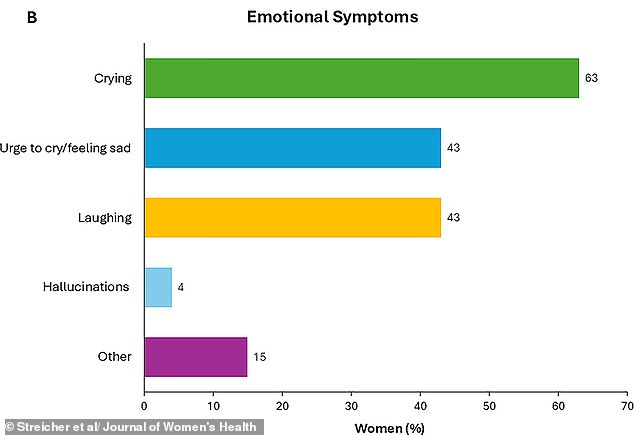
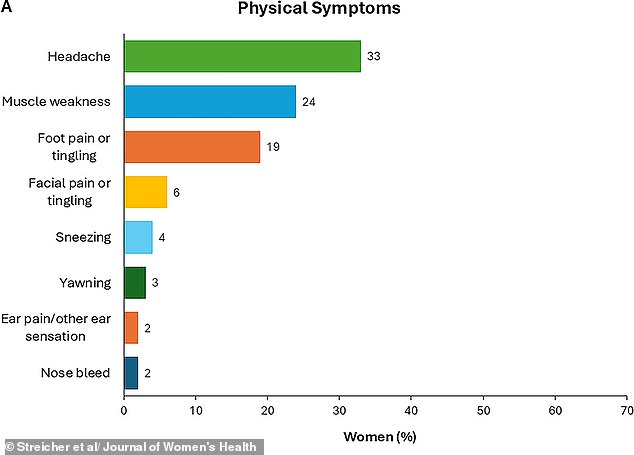
The research surveyed over 3,800 women, asking them to report unusual physical or emotional symptoms they experienced during climax. Among the most frequently reported responses were crying, which was reported by more than half of the participants, and hallucinations, which were cited by 4 percent. Other less common but still notable responses included sneezing, uncontrollable yawning, and nosebleeds. The study, published in the *Journal of Women's Health*, emphasizes that these phenomena—termed 'peri-orgasmic phenomena'—are not abnormal but rather part of the normal range of sexual responses.
Dr. Lauren Streicher, the lead author of the study, noted that such reactions are often misunderstood or stigmatized. 'While there have been case reports of women laughing, crying or having unusual physical symptoms during orgasm, this is the first study to characterize what these phenomena are, and when they are most likely to occur,' she said. The findings aim to reassure women that experiencing intense emotions or physical sensations during orgasm does not indicate a medical or psychological issue.

The study also identified the most common physical symptoms, including headaches, muscle weakness, and foot pain, alongside emotional responses such as sadness, crying, and laughter. Interestingly, 17 percent of women who reported unusual symptoms experienced them consistently, while the majority associated these responses with partnered sexual activity. Dr. Streicher emphasized that these symptoms are not tied to negative experiences, stating, 'Some people cry when they climax—not because the sex was bad or painful, but for no reason.'
The researchers caution that while peri-orgasmic phenomena are rare—occurring in only 2.3 percent of the sample—they are diverse and can significantly impact a woman's perception of her own sexual health. 'A better understanding of peri-orgasmic phenomena is of clinical significance,' the study notes, as individuals who experience these symptoms may feel distressed, leading to anxiety or avoidance of sexual activity. Clinicians are encouraged to recognize these responses as part of normal sexual function rather than signs of pathology.
In parallel, a separate study from the University of Ottawa challenges traditional methods of measuring orgasm. Researchers analyzed data from over 600 women aged 18 to 82, using the Orgasm Rating Scale (ORS) and the Bodily Sensations of Orgasm Scale (BSOS). The findings, published in the *Journal of Sexual Medicine*, suggest that 'pleasurable satisfaction'—rather than physiological indicators like moaning or groaning—is the most accurate way to assess orgasmic experience. Emotional intimacy and shooting sensations were found to be the least common ORS responses, while genital sensations, spasms, and sweating were more frequently reported. The study recommends removing moaning from standardized scales, as it was among the least common and least predictive of orgasmic intensity.

These findings collectively highlight the need for a more nuanced and individualized approach to understanding sexual response. By normalizing a broad spectrum of experiences and redefining how orgasm is measured, experts hope to reduce stigma and improve sexual health outcomes for women.
Photos