Study Finds Type 2 Diabetes May Raise Pancreatic Cancer Risk, UK Reports 28 Daily Deaths

A new study has uncovered a potential link between type 2 diabetes and an increased risk of developing pancreatic cancer, a disease that claims 28 lives in the UK every day. This finding adds to growing concerns about how lifestyle factors, such as poor diet, contribute to complex health challenges. The study, published in *JAMA Network Open*, focused on South Korean adults and examined whether diabetes increases the likelihood of pancreatic cysts, which can sometimes progress to cancer. Pancreatic cancer is the 10th most common cancer in the UK, with around 10,800 new cases diagnosed annually. The disease remains one of the deadliest cancers due to its late detection and aggressive nature.
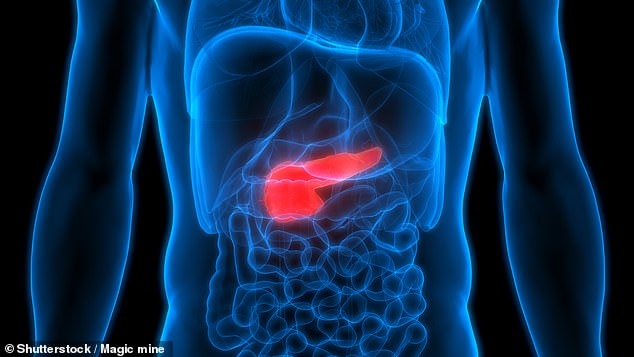
The pancreas, a pear-shaped gland located behind the stomach, plays a critical role in regulating blood sugar. It produces insulin, which helps transport glucose from the blood to cells for energy. When this process is disrupted, as in type 2 diabetes, it can have far-reaching consequences. Pancreatic cysts—fluid-filled sacs that often go undetected until imaging scans—are usually benign but can occasionally become cancerous. Researchers are now exploring how diabetes, particularly its long-term effects, might accelerate this transformation.
The connection between diabetes and pancreatic cancer has been a subject of scientific inquiry since the 1940s and 1950s. Early observations noted that patients with pancreatic cancer were more likely to have diabetes than the general population. This 'chicken and egg' relationship complicates understanding, as both conditions affect the pancreas. Studies have consistently shown that people with diabetes are about twice as likely to be diagnosed with pancreatic cancer compared to those without the condition. Obesity, a major driver of type 2 diabetes, is responsible for 80–85% of diabetes risk and accounts for roughly one in ten pancreatic cancer cases.
The latest study followed 3.85 million South Korean adults over a decade, analyzing insurance claims data. Participants were grouped by glucose status: normal blood sugar, prediabetes, diabetes under five years, and diabetes over five years. Researchers tracked the development of pancreatic cysts, finding that the longer someone lived with diabetes, the higher their risk of developing these cysts. Those with long-standing diabetes had a 37% higher risk compared to individuals with prediabetes. The risk was particularly pronounced in younger men with diabetes and current smokers, highlighting subgroups that may need closer monitoring.
Among the study participants, only 0.8% developed pancreatic cysts over 10 years. Of those with cysts, 4.1% later developed pancreatic cancer, a rate significantly higher than the 0.7% cancer incidence in the general population. These findings suggest that while the overall risk remains low, diabetes may act as a catalyst for certain individuals. Notably, the study underscores the need for more attention to younger diabetic men, a demographic that is not typically associated with high cancer rates.
Pancreatic cancer incidence has been rising globally, with some experts debating whether this reflects true increases in cases or improved detection methods. Almost half of all diagnoses occur in people over 75, and the disease is rare in those under 40. However, recent trends show an uptick in younger age groups, a phenomenon that may be attributed to better imaging technology capturing smaller, earlier-stage tumors. Despite this, mortality rates among younger patients have remained relatively stable, suggesting that the increase in cases may not necessarily equate to a rise in lethal outcomes.
The study's implications extend beyond individual health, raising questions about public health strategies. If diabetes is indeed a risk factor for pancreatic cysts and subsequent cancer, it could influence screening recommendations and lifestyle interventions. Public awareness campaigns might emphasize the importance of managing diabetes through diet, exercise, and early detection. However, the study also highlights the need for caution in interpreting data, as correlation does not always imply causation. Further research is essential to clarify the biological mechanisms linking diabetes and pancreatic cancer, particularly in high-risk subgroups like younger men and smokers. The findings serve as a reminder of the complex interplay between lifestyle, genetics, and environment in shaping health outcomes.

While the study contributes valuable insights, it is not without limitations. As an observational study, it cannot prove causality, and factors like diet, physical activity, and genetic predispositions were not fully accounted for. Nonetheless, it reinforces the importance of addressing diabetes as a public health priority. The risk of pancreatic cancer, though relatively low for most people with diabetes, remains a significant concern for certain populations. As researchers continue to unravel this connection, healthcare systems may need to adapt, ensuring that vulnerable groups receive targeted support and monitoring.
The study also underscores the broader challenge of preventing and managing chronic diseases in an aging and increasingly obese population. With obesity rates rising globally, the link between diabetes and pancreatic cancer could become even more pronounced. Policymakers and healthcare providers must collaborate to implement preventive measures, from improving nutrition education to expanding access to early screening. Ultimately, the findings highlight the need for a multidisciplinary approach, combining medical research, public health strategies, and individual responsibility to mitigate the risks associated with both diabetes and pancreatic cancer.
Photos