Silent Spring Institute Study Finds Hair Extensions Contain Hazardous Chemicals
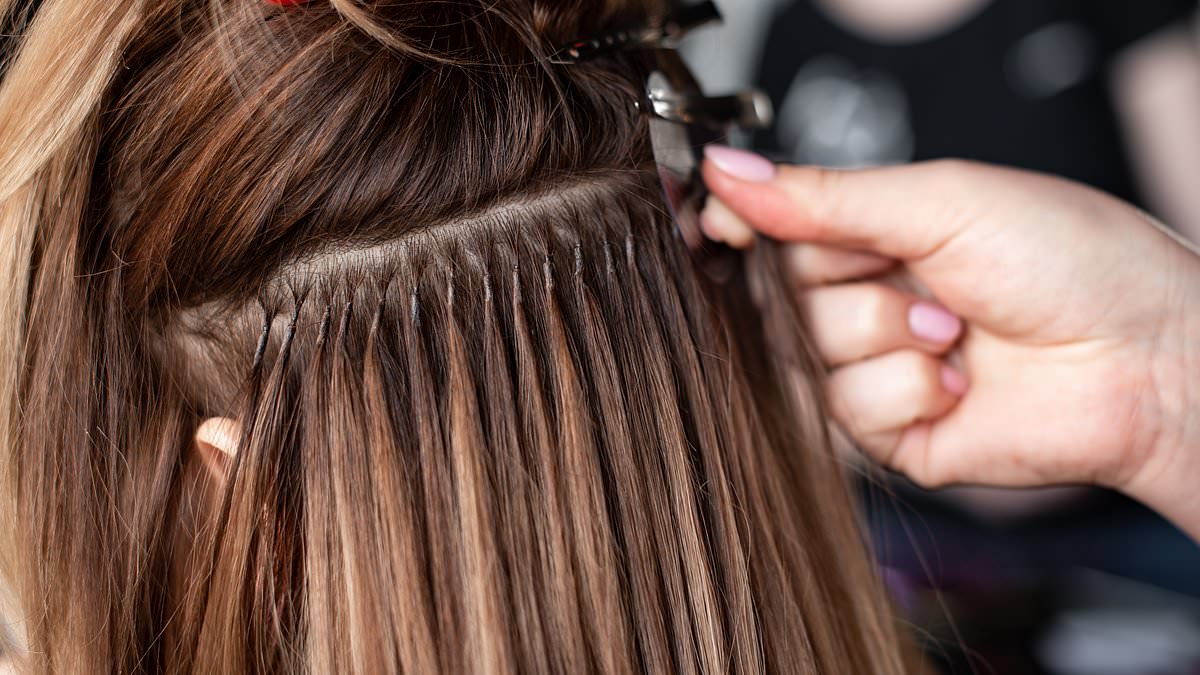
Scientists have issued a stark warning about a beauty staple long associated with glamour and confidence: hair extensions. A recent study by the Silent Spring Institute has uncovered a troubling reality, revealing that these extensions often contain dozens of hazardous chemicals linked to serious health risks. From celebrities like Elle Macpherson to everyday users, the demand for hair extensions has surged, but the findings now cast a shadow over this popular trend. Could the very products meant to enhance appearance be quietly harming users? The answer, according to researchers, is increasingly dire.
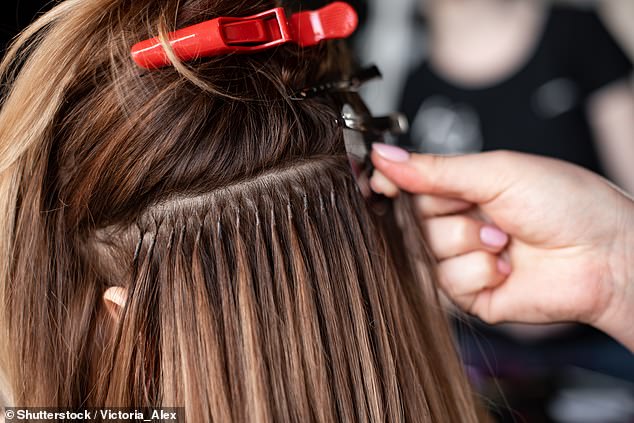
Hair extensions—whether clip-ins, tape-ins, or weaves—have become a global phenomenon, with millions of people relying on them to achieve luscious, voluminous locks. Yet, despite their ubiquity, there has been minimal scrutiny of their potential health impacts. The Silent Spring Institute's research sought to change that. By analyzing 43 popular products sold online and in local beauty stores, the team uncovered a concerning chemical cocktail. Their non-targeted analysis technique revealed that 41 out of 42 samples contained 'chemicals of concern,' including flame retardants, phthalates, pesticides, and organotins. These substances, previously linked to cancer, hormone disruption, and developmental issues, now appear to be lurking in products worn close to the scalp and neck.
The implications are both immediate and insidious. Flame retardants, commonly added to prevent fires, are known to cause neurotoxicity and disrupt endocrine systems. Phthalates, used to make plastics flexible, have been tied to hormonal imbalances and reproductive issues. Even more alarming is the presence of tetrachloroethane, a toxic industrial solvent capable of damaging the liver and central nervous system. Dr. Elissia Franklin, lead author of the study, noted that these chemicals are not only absorbed through the skin but may also be inhaled when extensions are heated or styled. 'The fibers sit directly on the scalp and neck, and when heated and styled, they can release chemicals into the air that wearers may breathe in,' she explained, emphasizing the lack of transparency from manufacturers.
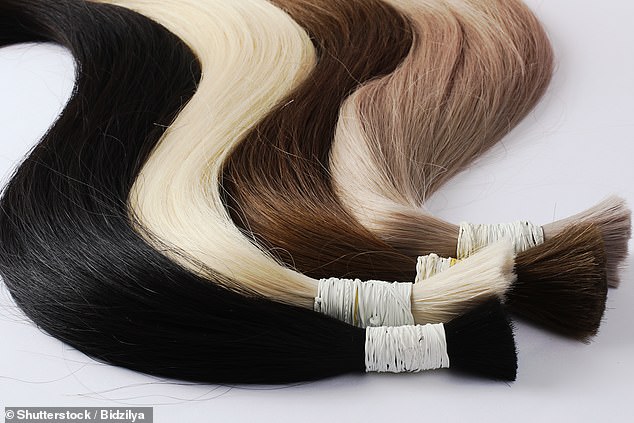
The study's findings challenge the assumption that beauty products are inherently safe. Many consumers remain unaware of the chemicals used in their extensions, as companies rarely disclose such details. This opacity leaves users vulnerable to prolonged exposure. 'Companies rarely disclose the chemicals used to achieve these properties, leaving consumers in the dark about the health risks from prolonged wear,' Franklin stated. The researchers are now calling for stricter regulations to protect public health and push manufacturers toward safer alternatives. But how many people will take heed of this warning, and will regulatory bodies act swiftly enough to prevent further harm?

The issue extends beyond hair extensions. A recent investigation by the Center for Environmental Health (CEH) found that shampoos, body soaps, and other personal care products sold at major retailers like Walmart and Target contain cocamide DEA, a known carcinogen. This substance, derived from coconut oil and used as a foam booster, has been linked to liver and kidney cancer. California has classified it as a carcinogen, requiring product labels to warn consumers. Caitlin Moher, CEH's Research Manager, said the presence of cocamide DEA in such products is 'unacceptable.' 'It has no place in any personal care products we use on our hair or on our skin,' she stated, urging retailers to stop selling these items. Yet, the question remains: how long will it take for these revelations to translate into meaningful change for consumers?
Photos