Silent Alarm: Hair Loss in Middle-Aged Women and the Myth of Collagen Supplements
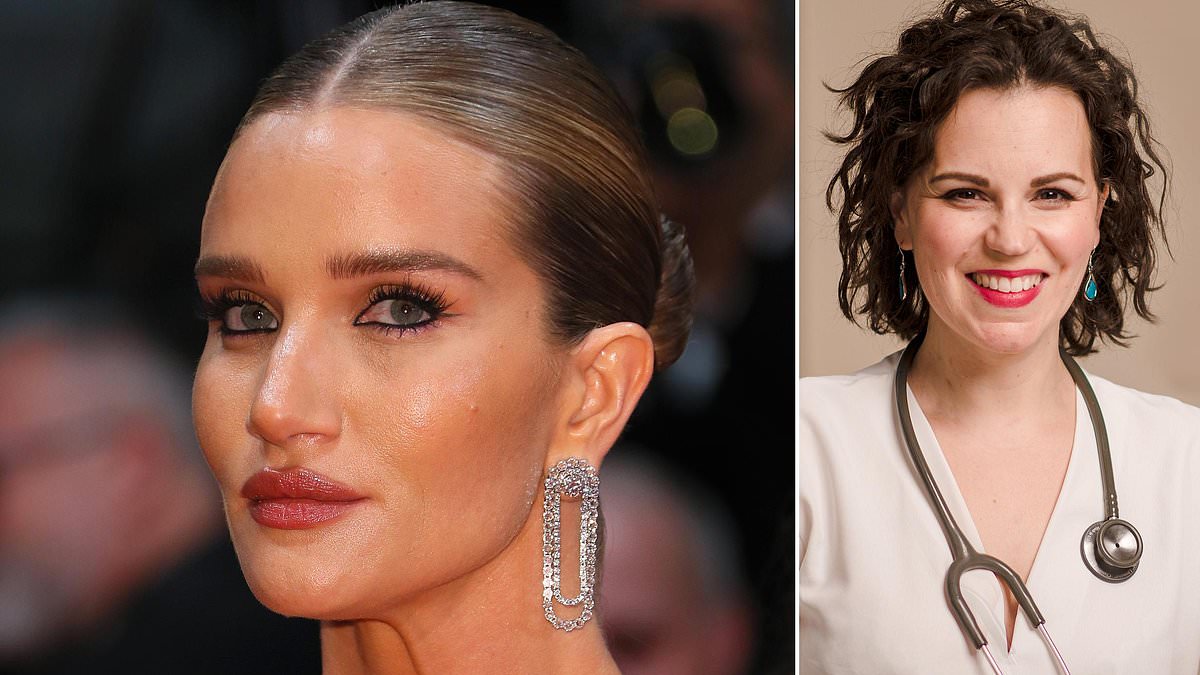
Thin, brittle hair has become an all-too-familiar concern for women in their 50s, especially as the relentless push for quick fixes floods the market. From collagen pills to biotin boosters, the supplement aisle brims with promises of luscious locks. But what if the real issue lies far beyond the beauty cabinet? Hair loss in middle-aged women is not just a cosmetic issue—it's a silent alarm bell for underlying health concerns that demand urgent attention.

Dr. Philippa Kaye, a GP and health expert, warns that the current obsession with collagen supplements is a costly detour. 'Collagen is a protein found in skin, joints, and bones,' she explains. 'But there's no high-quality evidence it helps with hair growth.' This revelation raises a troubling question: Why do so many women rush to buy these supplements, thinking they'll reverse hair loss, when the real solution may be far simpler—and far more critical? The answer lies in the very systems that regulate our health, from the thyroid to our iron stores.
Thinning hair is often dismissed as an inevitable part of aging, but Dr. Kaye insists it's a symptom that cannot be ignored. The menopause, with its hormonal upheaval, can trigger significant hair changes. Stress, illness, or even a drastic drop in weight can also send hair follicles into dormancy. Yet, the most alarming cause is hidden in plain sight: a malfunctioning thyroid or a dangerously low iron reserve. These are not cosmetic issues—they are medical red flags that demand immediate investigation.
For any woman experiencing unexplained hair loss, the first step is to request two critical blood tests. The first, a thyroid function test, checks for an underactive thyroid, a condition that can cause hair to shed in alarming amounts. If diagnosed, a simple daily tablet of levothyroxine can often restore hormonal balance and, with time, revive hair growth. The second test, a ferritin blood test, measures iron stores. Low ferritin is a silent thief of vitality, linked not only to fatigue but also to hair loss. 'A patient with low ferritin may benefit from iron supplements,' Dr. Kaye advises, 'but the root cause could be heavy periods, which might require hormonal interventions like the contraceptive pill.'

Supplements like biotin, often touted as miracle drugs for hair, are another red herring. 'Biotin deficiency is so rare the NHS doesn't even screen for it,' Dr. Kaye clarifies. 'Unless levels are critically low, these supplements won't make a difference.' This underscores a crucial truth: the health of our hair is deeply intertwined with our overall well-being. To ignore the body's signals is to risk missing a broader, more urgent picture of our health.
For those who find their hair thinning despite a healthy lifestyle, there is still hope. Minoxidil, a prescription cream proven to stimulate regrowth, remains a viable option. Though it's not widely available on the NHS, its existence offers a lifeline to those desperate for solutions. Yet, the true value of these treatments lies not in their formulas, but in the medical vigilance they demand—early testing, early intervention, and early action.
The same principle applies to a separate but equally pressing issue: spinal degenerative disc disease. A 36-year-old woman recently diagnosed with the condition finds herself in a paradox: she has no symptoms, yet her spine shows signs of decay. This raises a critical question: How can a condition with no pain be a warning sign for the future? Dr. Kaye offers a sobering but hopeful perspective. 'Degenerative disc disease isn't a death sentence, but it's a ticking clock.'
Spinal discs, the cushions between vertebrae, can deteriorate due to wear and tear, trauma, or even a sedentary lifestyle. While some may never experience pain, the risk of developing osteoarthritis—where bones grind against each other without their natural shock absorbers—increases with time. The solution, however, is not a medical one but a lifestyle one. Weight management, smoking cessation, and targeted exercise are the first lines of defense. 'Regular walking, swimming, or yoga can preserve mobility and strength,' Dr. Kaye emphasizes. 'A diet rich in calcium and vitamin D is also vital.'
The urgency here is clear. Degenerative disc disease may not roar with pain today, but it whispers of a future burden if ignored. The same urgency applies to hair loss. These are not isolated issues—they are windows into the body's health, demanding immediate action. To delay a blood test, to rely on unproven supplements, or to neglect posture and diet is to gamble with the quality of life. The body speaks in subtle ways, and those who listen early, who act decisively, may yet reclaim their health before it's too late.
Photos