Seaweed: Ancient Superfood, Modern Dilemma—Nutrition, History, and the Regulation Questions It Raises
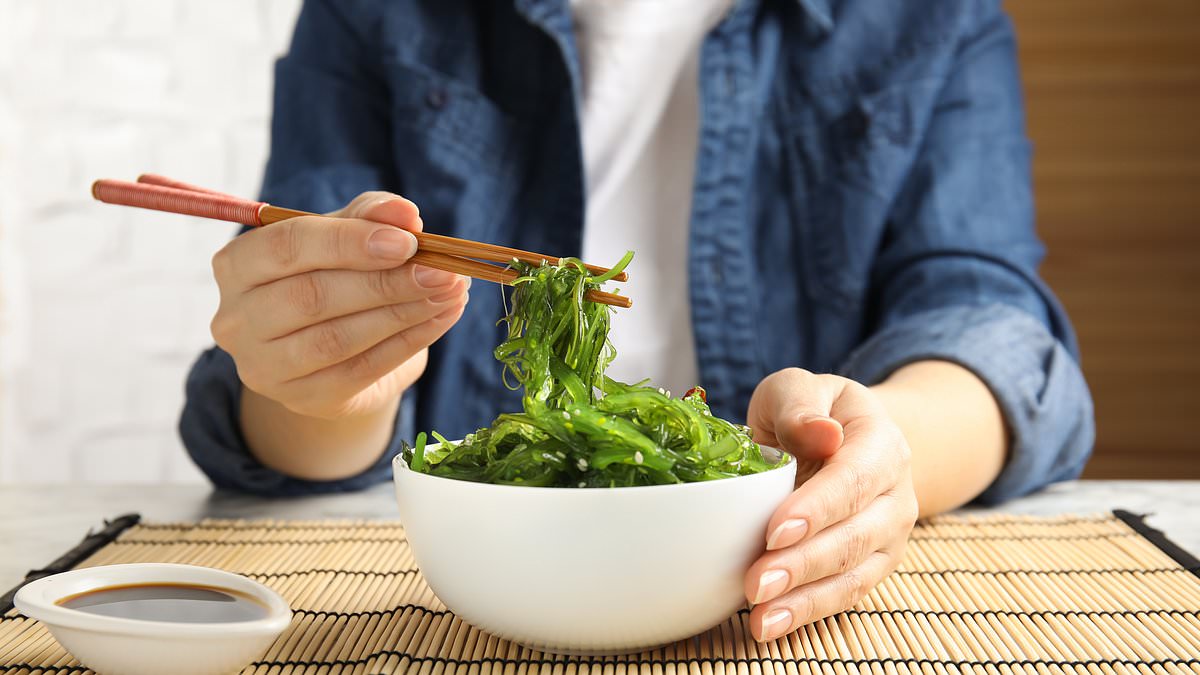
Seaweed is more than a slimy, salty curiosity lurking on UK shores—it's a powerhouse of nutrition, ancient in origin, and now being reimagined as a modern superfood. With its ability to deliver protein, calcium, vitamins, and thyroid-boosting iodine, seaweed is quietly reshaping the way we think about health. Yet as its popularity soars, so do questions: Are we consuming it safely? What role should government regulations play in ensuring its benefits don't come with hidden risks? The answers lie in both its history and the science behind it.

For centuries, seaweed has been a dietary staple for coastal communities around the world. From Japan's dashi stock to Wales' laverbread, its versatility has made it a culinary and medicinal treasure. But what makes this marine plant so special? Its nutritional profile is nothing short of extraordinary. Seaweed is low in fat, high in fiber, and packed with minerals that are otherwise rare in the modern diet. It's a paradox: a food that's been around for millennia, yet only now is being rediscovered by a health-conscious generation.
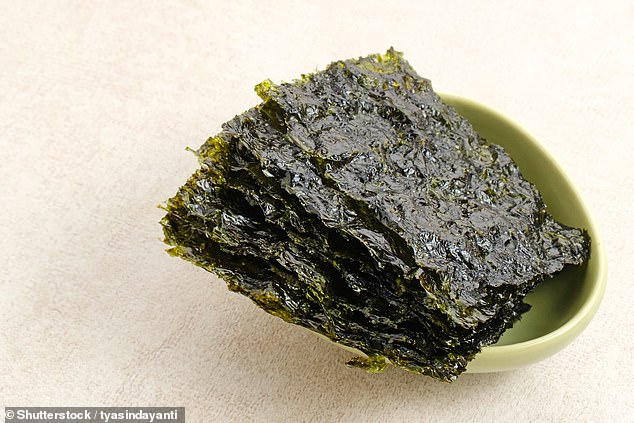
Amanda Swiminer, a marine biologist and seaweed harvester, explains that fiber is the largest component of seaweed's biomass. Some of these fibers, like fucoidan, have been shown in studies to boost immunity, lower inflammation, and even aid in fat loss. Nori, the red seaweed used in sushi, contains high levels of protein and calcium, while kelp varieties like kombu and wakame are iodine powerhouses. But here's the catch: while seaweed is a nutritional goldmine, its iodine content is a double-edged sword. Too little, and you risk thyroid dysfunction; too much, and you could trigger the very issues it aims to prevent.
Lily Soutter, a registered nutritionist, warns that the British Thyroid Association has found 70% of young women in the UK are iodine deficient. This can lead to fatigue, weight gain, hair loss, and even impaired brain development in fetuses. Yet the same seaweed that could combat these issues needs to be consumed with care. The British Dietetic Association recommends limiting brown seaweed, like kelp, to once a week—especially for pregnant women. For those on thyroid medications like Synthroid, even a single serving of kelp could disrupt their treatment.
So how much is safe? Swiminer says consistency matters more than quantity. A small daily portion—just 3 to 5 grams—can deliver significant benefits. But portion control is crucial. The NHS has already flagged kelp-based supplements as a risk, with a single serving containing over 2,000 micrograms of iodine—way above the safe limit of 150 micrograms. Could this be the next public health crisis? Or will regulations catch up before the damage is done?
Even as seaweed's health potential is celebrated, a darker shadow lingers: microplastics. Studies show these tiny pollutants cling to seaweed's surface, with those growing near contaminated areas facing higher risks. Yet washing seaweed thoroughly can remove much of the contamination. Are governments doing enough to monitor seaweed farms or enforce cleaning protocols? Or will consumers have to navigate this risk on their own?
The future of seaweed as a superfood hinges on balance—between its benefits and the risks of overconsumption, between tradition and modernity, and between public health advisories and the drive for innovation. As scientists and regulators grapple with these questions, one thing is clear: seaweed is no longer just a curiosity. It's a vital thread in the tapestry of global health, and the rules we create now will shape its legacy for generations to come.
Photos