Scurvy's Resurgence: UK Health Crisis Linked to GLP-1 Weight Loss Injections
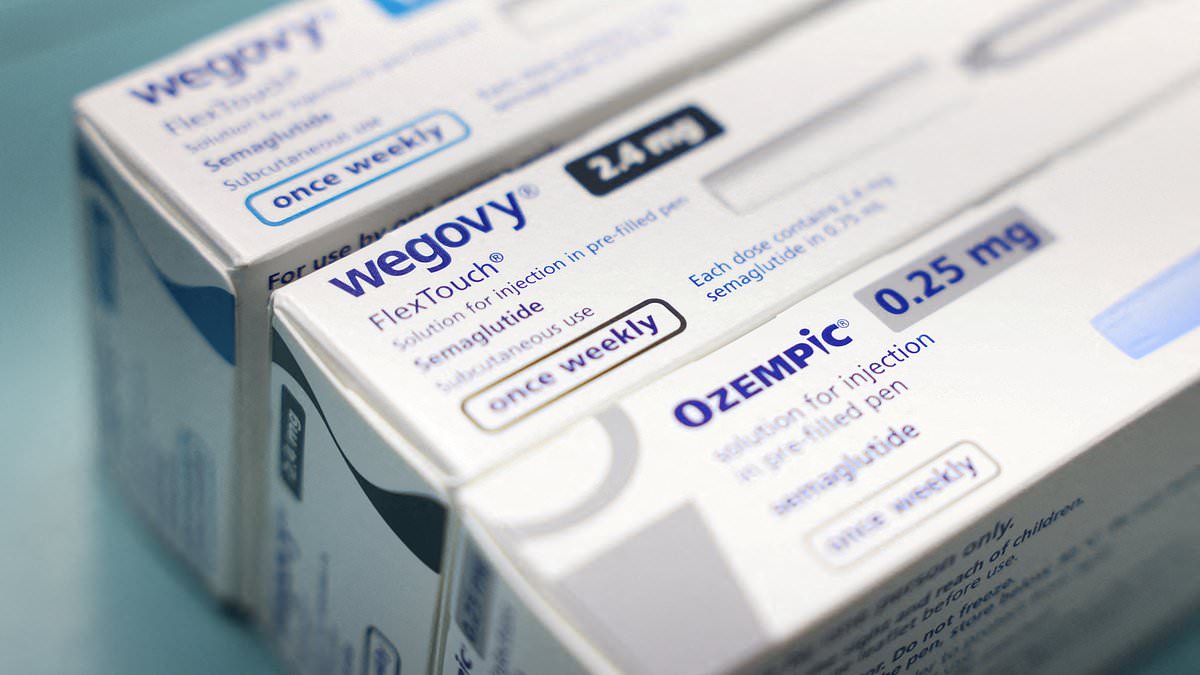
A growing health crisis is unfolding in the UK, as reports of scurvy, a severe vitamin C deficiency once associated with Victorian sailors, are making a worrying comeback. Top dieticians have sounded the alarm, warning that individuals taking GLP-1 weight loss injections, such as Wegovy and Mounjaro, may be at risk of developing this potentially life-threatening condition. The disease, historically linked to poor diets and a lack of access to vitamin C-rich foods, is now being seen in a new demographic: those on the latest weight loss drugs.
Scurvy, which was nearly eradicated in the UK after the 1900s due to improved nutrition, is now on the rise. Recent data reveals a 25 per cent increase in scurvy cases since 2007, with experts pointing to poor diets and the use of appetite-suppressing medications as key contributing factors. A systematic review led by Australian professor Clare Collins highlights the lack of dietary consideration in many weight loss drug trials. This oversight, she says, has left many patients functionally malnourished, increasing the risk of serious vitamin deficiencies like scurvy.

Vitamin C is essential for collagen production, wound healing, and immune function. A deficiency can lead to symptoms such as fatigue, irritability, severe joint or leg pain, and swollen, bleeding gums. In extreme cases, it can result in anemia, bruising, and even death. The NHS warns that smoking and poor diets, especially during pregnancy or breastfeeding, can further increase the risk of developing scurvy.
The resurgence of scurvy is not just a medical concern—it's a public health issue. An estimated 1.6 million adults in England, Wales, and Scotland used weight loss drugs like Wegovy and Mounjaro between early 2024 and early 2025, according to a University College London study. These drugs are highly effective for weight loss and diabetes management, but their appetite-suppressing effects can lead to restricted diets that lack essential nutrients.
'A reduction in body weight does not automatically mean the person is well-nourished or healthy,' Collins told the Australian Financial Review. 'Nutrition plays a critical role in health and right now it's largely missing from the evidence.'
One of the most high-profile cases of scurvy linked to weight loss drugs is that of Robbie Williams. The former Take That member revealed in an interview that he was diagnosed with scurvy after he stopped eating while on a weight loss medication. 'I'd stopped eating and I wasn't getting nutrients,' he said. 'I was undernourished and lacking in vitamin C, leading to scurvy, which I dubbed: 'A 17th-century pirate disease.' Williams credited his two-stone weight loss to 'something like Ozempic,' a drug similar to Wegovy.
Doctors writing in BMJ Case Reports have warned of a growing trend in scurvy cases, driven by rising cost-of-living pressures and diets that lack sufficient fruit and vegetables. This is not the only Dickensian disease making a comeback in modern Britain. In 2022, more than 800,000 admissions in England and Wales were linked to poor nutrition, including scurvy and rickets. Rickets, caused by a deficiency in vitamin D, calcium, or phosphorus, is most commonly seen in children and can lead to bone pain, poor growth, and deformities like bowed legs.

Scurvy has a long and grim history. It can be traced back to 3,800 BC in Egypt, and in modern history, it was documented in the 1500s. Between the 16th and 18th centuries, more than 2 million sailors died from the condition. Once thought to have disappeared in the UK after the discovery that a balanced diet could prevent it, scurvy is now re-emerging due to modern dietary and lifestyle trends.
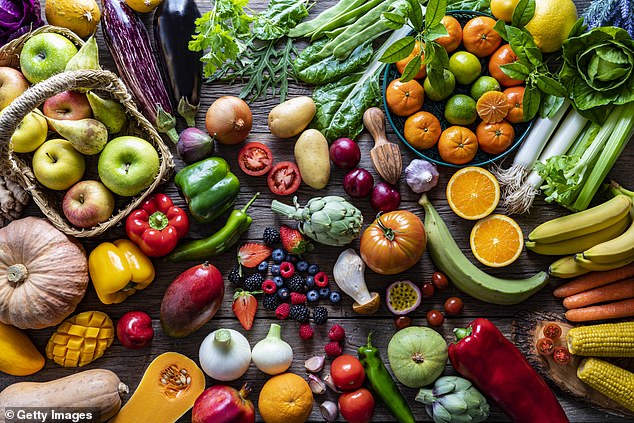
Without sufficient vitamin C, the body cannot produce enough collagen, leading to issues like bleeding gums, loosened teeth, scaly skin, brittle hair, and bruising. Vitamin C is found in a variety of foods, including citrus fruits, potatoes, red and chilli peppers, strawberries, and tomatoes. The NHS recommends eating plenty of fresh fruits and vegetables as part of a healthy, balanced diet to prevent a vitamin C deficiency.
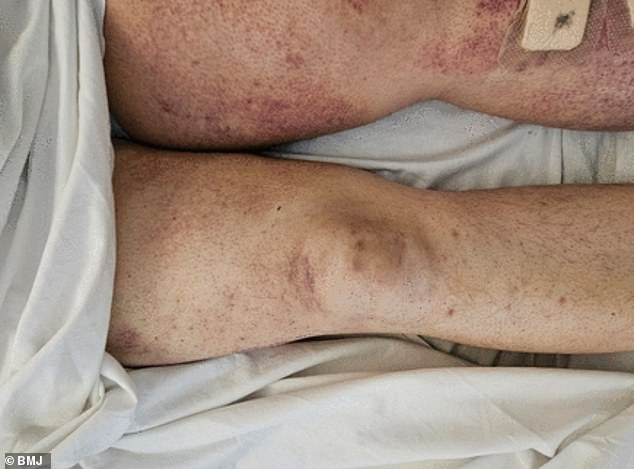
Malnutrition, which occurs when a diet lacks the right amount of nutrients, is a growing concern in the UK. Unintentional weight loss, low body weight, and fatigue are key signs. Scurvy can also cause severe pain in the legs, leading to children refusing to walk. As the country grapples with rising healthcare costs and a growing population of individuals on weight loss drugs, the need for public awareness and expert guidance on nutrition has never been more urgent.
Photos