Royal Decorator's Suicide Over King's Displeasure with Paint Job
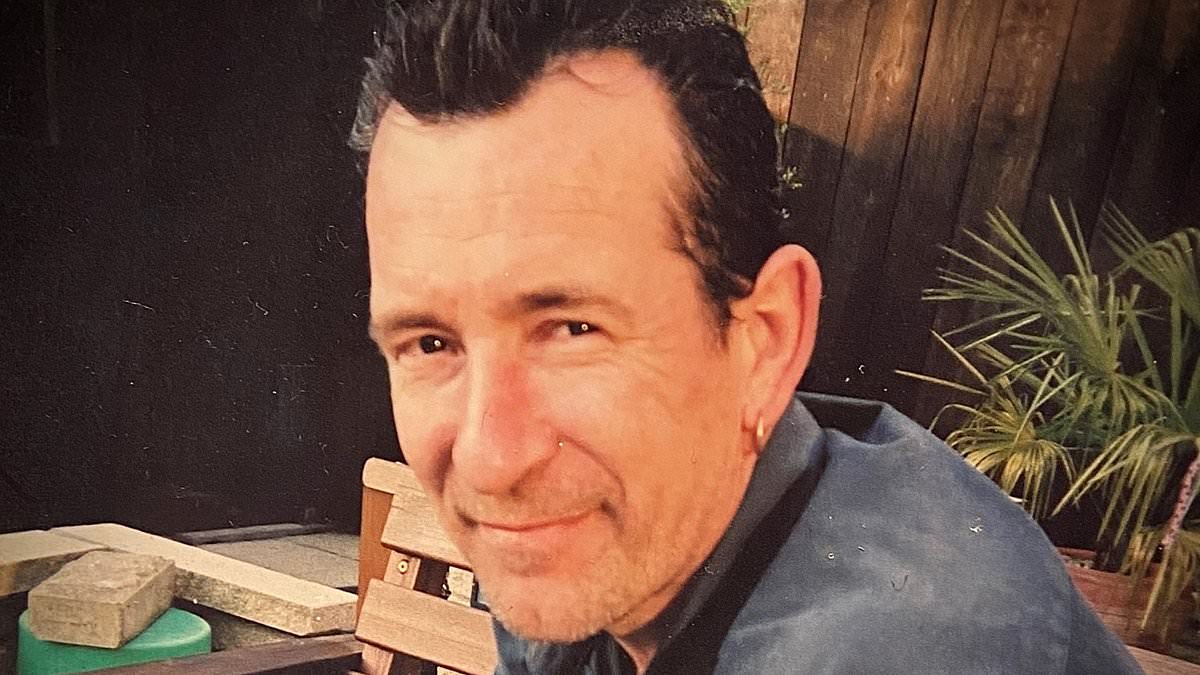
A self-employed royal decorator, Chris Eadie, 63, was found hanged on the Sandringham estate in October last year after a prolonged decline in mental health, an inquest has revealed. The coroner heard that Mr Eadie, who had worked at the estate for over 30 years, had been deeply affected by a combination of health concerns, reduced work opportunities, and a personal setback involving a paint job for King Charles. His brother, Mark Eadie, described the incident as a 'devastating blow' that contributed to his mental health deterioration.
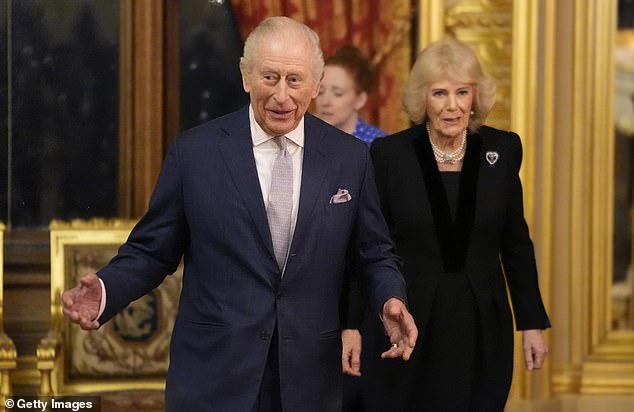
Mr Eadie had been tasked with painting a pagoda in the gardens of Sandringham House in colors requested by the King. According to the inquest, he completed the work exactly as instructed, but the King reportedly found the colors 'garish' and ordered the structure to be repainted. Mr Eadie, who had meticulously stripped and prepared the pagoda for the new job, was later informed that another contractor would take over the final painting. Mark Eadie said this left his brother 'devastated,' emphasizing that Mr Eadie took immense pride in his work and felt betrayed by the decision.
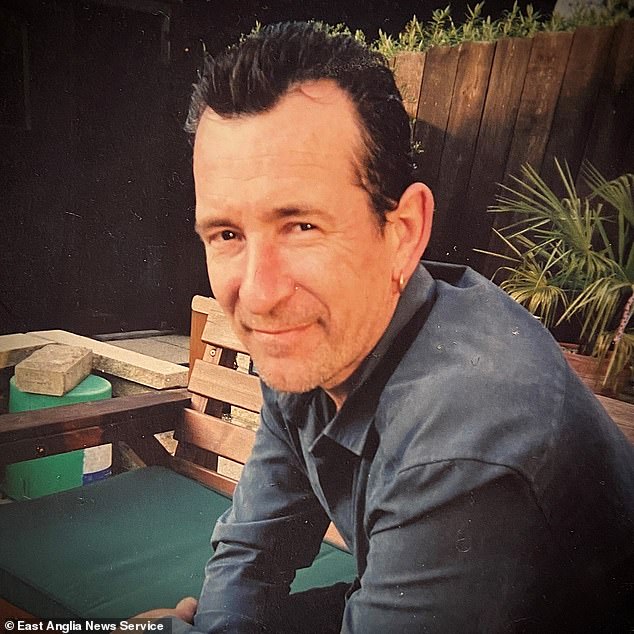
The coroner's court heard that Mr Eadie had begun losing weight and experiencing a lack of appetite around the same time, convinced he might have cancer. His mental health further deteriorated as work at Sandringham became less frequent due to management changes and the introduction of new contractors. Mark Eadie noted that his brother's 'perfectionism' had earned him top assignments, including painting the bedroom of Prince William and Princess Kate, but he grew increasingly anxious as his work dried up.

Mr Eadie's partner, Joanna, described him as a devoted father and a man who took immense pride in his career. She said the reduction in work from the estate, after decades of loyal service, deeply upset him, with the pagoda incident becoming a particular source of distress. In the weeks before his death, she found him sitting in the dark at home, later fearing he might be considering self-harm. She also recalled that in the days before his death, he became unusually affectionate, a behavior she now believes was a farewell.
The inquest revealed that Mr Eadie had visited his GP earlier in the year, reporting weight loss, abdominal discomfort, and anxiety related to work. He had begun taking antidepressants but ran out of his medication shortly before his death, with no repeat prescription requested. Toxicology tests showed only a small amount of alcohol in his system, along with elevated levels of paracetamol, though these were not sufficient to have caused his death. A post-mortem confirmed that he died by hanging.
Norfolk Area Coroner Yvonne Blake concluded that Mr Eadie's mental health had deteriorated due to concerns over his health and work, but there was insufficient evidence to determine that he intended to end his life. She stated that his actions were likely a result of 'a decline in mental health and being upset about work,' rather than a clear intent to commit suicide. She expressed her condolences to his family, noting that Mr Eadie had been deeply loved and valued for his dedication to his craft.
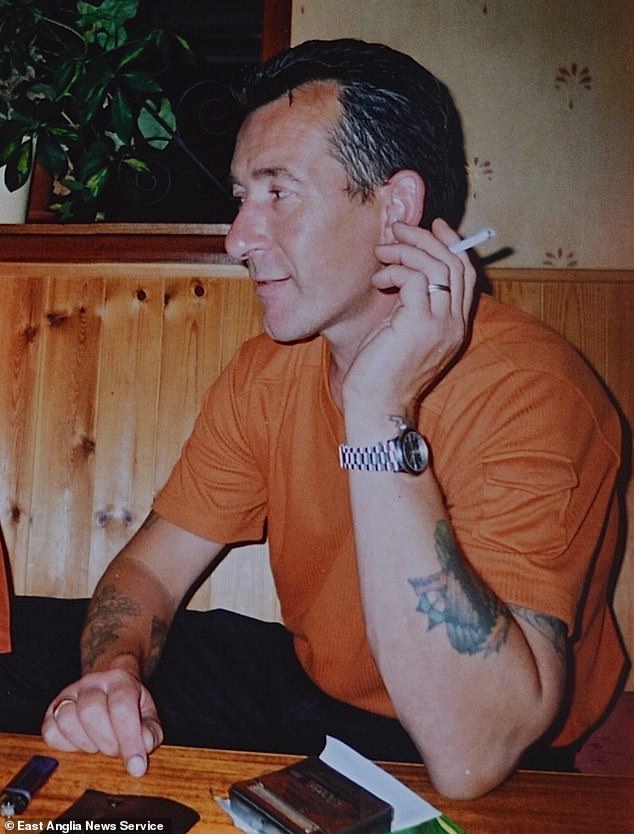
The inquest also highlighted the broader impact of changes in royal estate management on long-serving contractors. Edward Parsons, a land agent for the Sandringham Estate, stated that Mr Eadie had never been directly employed by the estate but had been one of many contractors used for specific jobs. While he had been awarded several assignments in 2025, the work was later canceled, adding to his sense of being 'discarded.'
The case has sparked discussions about the mental health of individuals in high-stress, high-precision professions, particularly those who rely on consistent work for their livelihood. Experts have emphasized the need for support systems for workers in such roles, highlighting the importance of addressing both mental health concerns and the emotional toll of professional setbacks. The coroner's findings underscore the complex interplay between personal well-being, professional identity, and systemic changes that can leave individuals vulnerable.
Photos