Renowned Artist Judith Baca Faces Allegations of Misusing $5M Grant for Private Art Company
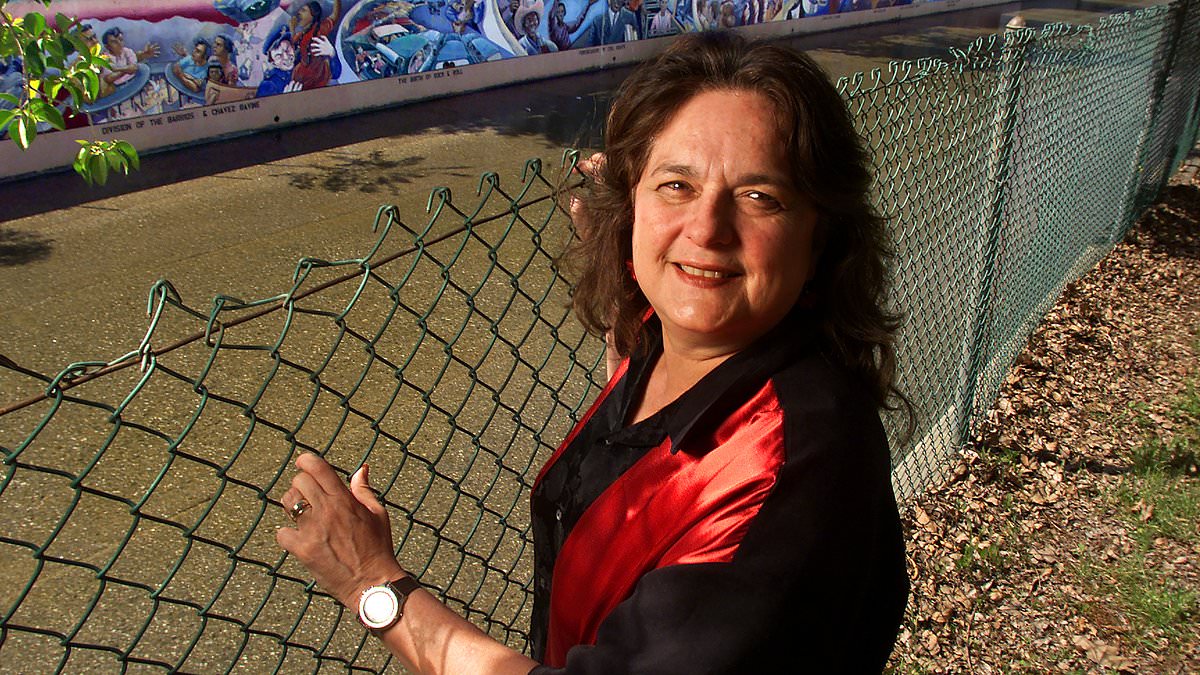
A renowned Los Angeles artist, Judith Baca, 79, stands at the center of a storm of allegations involving the misallocation of a $5 million grant awarded to her non-profit organization, SPARC. The accusations, brought forward by ten former employees, allege that Baca diverted funds meant for the continued development of The Great Wall of Los Angeles—a monumental public artwork—to her own private art company, Judy Baca, Inc. These claims, detailed in reports by the Los Angeles Times, paint a picture of internal discord and a potential breach of trust between a celebrated artist and the non-profit she has long been associated with.
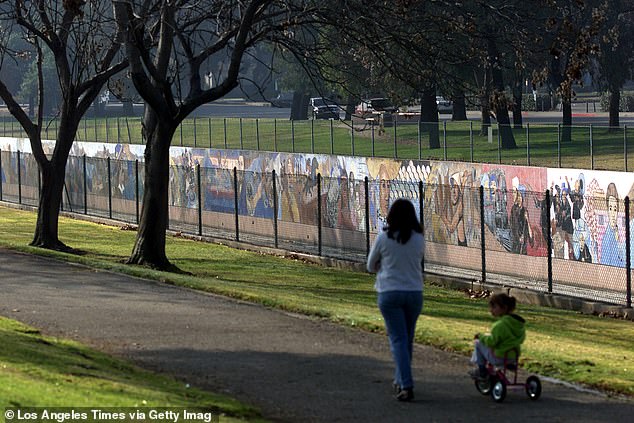
The Great Wall of Los Angeles, a 2,754-foot-long mural, is one of the most significant collaborative artworks in U.S. history. Spanning a floodwater channel in the Valley Glen neighborhood, the mural captures pivotal moments in Southern California history, beginning with prehistoric events in 20,000 BC and extending to the 1950s. Conceived and created by Baca between 1974 and 1984, the piece was a labor of decades, involving hundreds of artists and community members. Work on the mural halted for years before resuming in 2017, when Baca and SPARC announced plans to update it with modern history. This revitalization effort was made possible by a $5 million grant from the Mellon Foundation, awarded in 2021 and paid over three years. The grant, as described by the foundation, was intended to support the preservation, activation, and expansion of the mural, while also fostering civic engagement and muralist training.
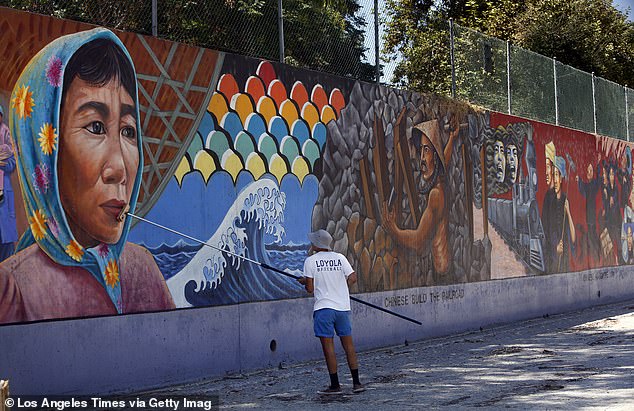
The grant, however, has become a focal point of controversy. Former SPARC employees, including two managers, have accused Baca of using the funds for purposes unrelated to the mural's expansion. Among those raising concerns are Pete Galindo, former director of SPARC's Great Wall of Los Angeles Institute, and Carmen Garcia, who served as SPARC's director for a brief period. Both allege that Baca redirected SPARC resources and the grant money to support work for her private company, Judy Baca, Inc. Garcia claims she was 'forcefully' removed from her position after repeatedly expressing concerns about the alleged misuse of funds. Galindo, who was fired in 2022, alleges that Baca instructed him to assist with tasks outside his role, such as dealing with termites and working on a mural for UCLA. Baca denies these claims, asserting that the UCLA mural was reallocated to SPARC and that the organization was compensated for its contributions.
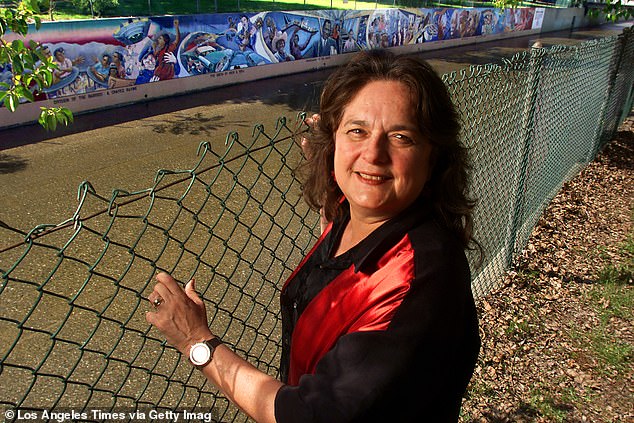
The accusations extend beyond financial mismanagement. Employees also raised concerns about Baca's salary, which increased significantly after SPARC received the grant. According to records obtained by the Times, Baca's annual compensation with SPARC was $50,000 the year prior to receiving the grant. By the following year, her salary had surged to $215,000. SPARC representatives defend this increase, stating that Baca's wages were 'lower than the market rate for similar non-profit CEOs and lower than the market value commissioning rate for artist Judy Baca, who is the author of The Great Wall Mural.' Despite this, former employees argue that such a sharp increase in pay contradicted the non-profit's stated mission to produce 'activist and socially relevant artwork' through participatory processes.
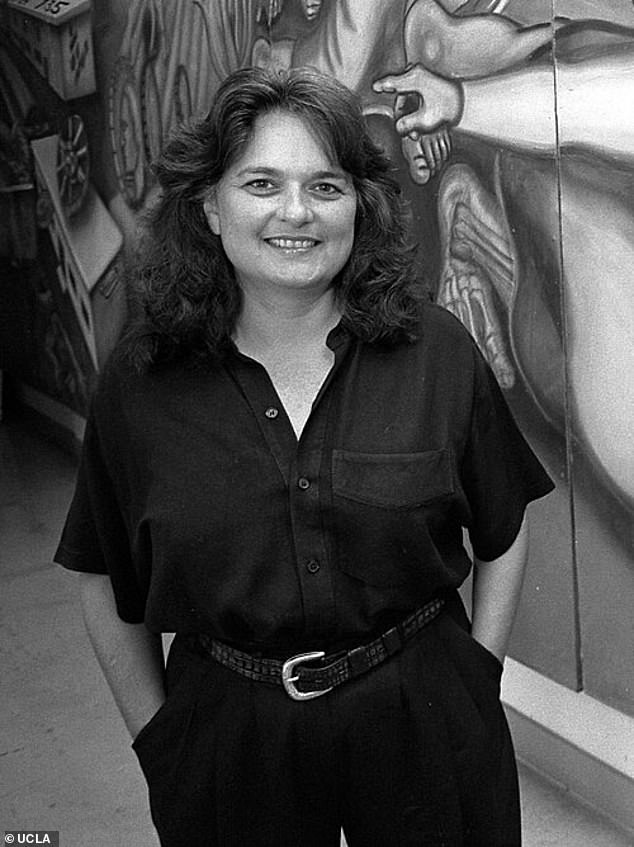
The allegations have also sparked questions about the boundaries between public and private interests in SPARC's work. Former digital mural artist Toria Maldonado claimed that Baca blurred the lines between artwork intended for the mural and that meant for Judy Baca, Inc. Maldonado alleged that she was paid by SPARC to redraw a portion of the mural 'for a private collector' at Baca's request. SPARC representatives dismiss these claims as 'factually inaccurate,' but the incidents highlight broader concerns about transparency and accountability within the organization.
Galindo's email to the Mellon Foundation's program director, in which he detailed Baca's alleged misuse of funds, has reportedly gone unanswered. However, Garcia claims the foundation intensified its inquiries about SPARC's use of the grant in the following year. SPARC describes these questions as 'routine,' suggesting that the foundation's oversight was not unusual. Nevertheless, the allegations have left many within the art community and the public grappling with the implications for non-profit integrity and the stewardship of public funds.
Baca, who has spent decades as a professor at UCLA in Chicano studies, world art, and culture, has expressed frustration with the scrutiny. She hopes to complete the mural's updates in time for the 2028 Los Angeles Olympics, emphasizing her vision for the project as a testament to civic engagement and historical preservation. SPARC representatives, alongside Baca, continue to deny the allegations, attributing them to 'employee dissatisfaction.' The controversy underscores the complexities of balancing artistic ambition, non-profit governance, and public trust in the face of large-scale funding initiatives.
As the investigation into the allegations unfolds, the Great Wall of Los Angeles remains a symbol of both artistic achievement and the challenges of maintaining ethical oversight in public art projects. The outcome of this dispute could set a precedent for how non-profits manage grants, the responsibilities of artists in leadership roles, and the expectations of transparency from organizations entrusted with public funds.
Photos