Rejected by Mother, Rescued by Zoo: The Story of Punch the Macaque
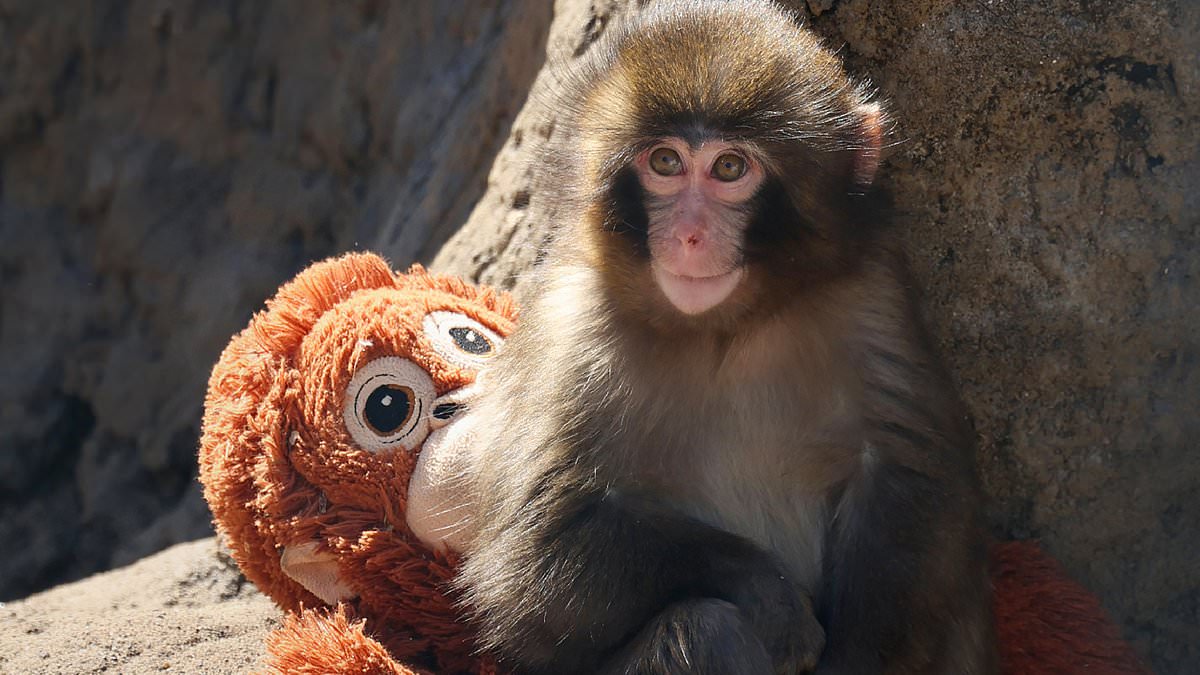
The story of Punch the monkey, a seven-month-old Japanese macaque born at Ichikawa Zoo last year, has captured global attention due to his unique circumstances and the emotional responses he has evoked. From the moment he entered the world, Punch faced rejection by his mother, an event that immediately placed him at odds with the natural social dynamics of his species. Japanese macaques are highly social animals, relying on complex group structures for survival, and Punch's early separation from his mother disrupted the foundational developmental processes critical to his growth. This initial rejection set the stage for a series of challenges that would shape his future in ways both expected and unforeseen.
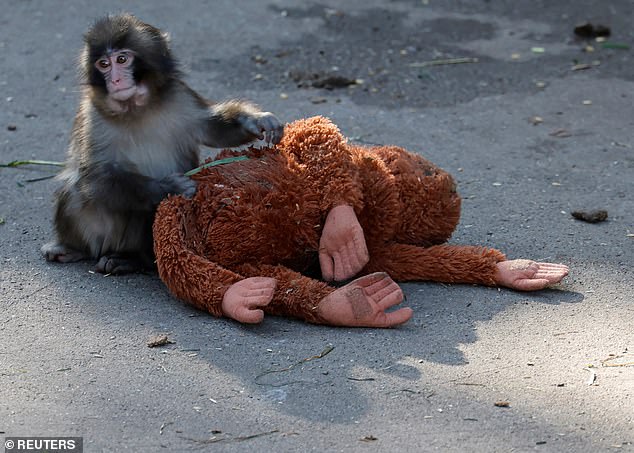
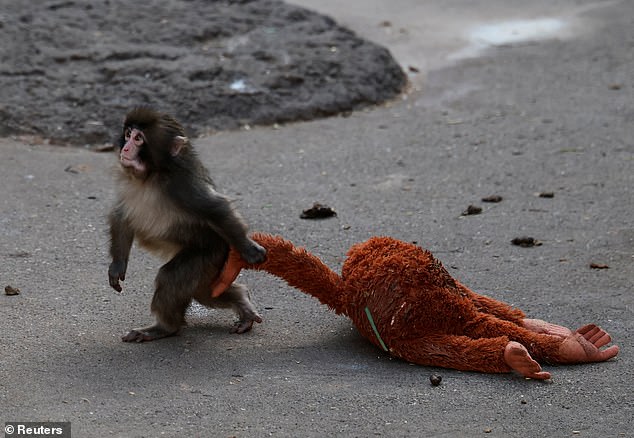
Zookeepers at Ichikawa Zoo took immediate action, providing Punch with a stuffed orangutan toy to help mitigate his distress. Footage of Punch clinging to the plushie quickly went viral, offering a brief reprieve to concerned observers who had come to admire the young macaque's vulnerability. For a short time, hope seemed to flicker when another macaque was seen grooming Punch, suggesting a potential path toward social integration. However, this fragile moment was short-lived, as Punch was subjected to a second, more aggressive rejection by the group—a stark reminder of the difficulties he faced in a world where social bonds are paramount.
Dr. Emily Bethell, an Associate Professor in Primate Cognition and Welfare at Liverpool John Moores University, has provided insight into the likely trajectory of Punch's life. According to her, the zookeepers are likely monitoring him closely, employing various strategies to integrate him into the social group. 'If it looks like he is at risk of physical harm, he would be removed from the group,' Dr. Bethell explained. 'However, as macaques are highly social and intelligent primates, this would be the last resort, only if he were deemed to be at risk of physical harm.' Her comments underscore the zoo's commitment to ethical practices, even as Punch's situation remains precarious.
The most significant threat to Punch, however, may not be physical harm but the long-term psychological consequences of his social isolation. Dr. Bethell emphasized that being abandoned by his mother and the broader social group deprived Punch of crucial developmental opportunities. 'At 6 months old, a wild macaque would still be somewhat reliant on the mother for comfort, nutrition, and opportunities to learn about social behavior,' she noted. This absence of maternal guidance could leave lasting scars on his ability to navigate the hierarchical social structures of macaque communities.
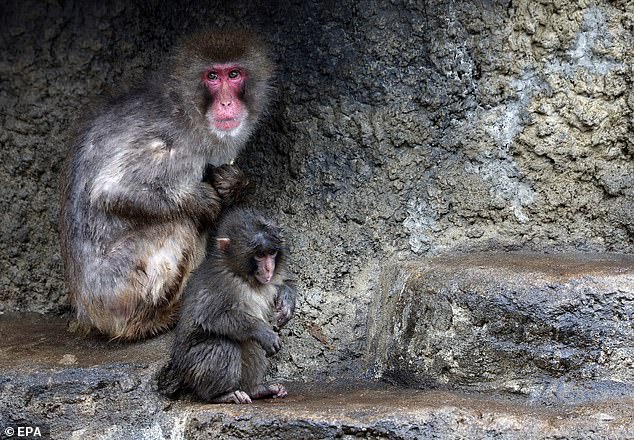
Despite these challenges, Punch's gender may offer him a unique advantage. Japanese macaques are typically female-bonded, and males usually migrate from their natal groups at sexual maturity. 'There is evidence that mothers may invest more in raising daughters since they will stay in the natal group,' Dr. Bethell said. 'He may therefore be moved to a new social group when he gets older and have an opportunity to forge new social relationships.' This potential future relocation, however, remains speculative and contingent on his ability to adapt to new environments.
Public reaction to Punch's plight has been fervent, with many social media users expressing outrage over his continued presence in the enclosure. On platforms like TikTok, fans have demanded intervention, questioning why the zoo would allow Punch to remain in an environment where he is being 'abused.' Others have called for immediate action, with one user writing, 'Why are the zoo workers not protecting him!' and another declaring, 'I'm so mad.' Such reactions highlight the emotional investment of the public in Punch's well-being, even as they overlook the complexities of animal welfare and social integration.
Dr. Bethell has cautioned against the potential long-term harm of premature human intervention. 'What is key at this stage is that he has the opportunity to interact with conspecifics to develop species-typical social skills,' she explained. 'If he is raised mostly by keepers and his interactions are mostly with humans, he may never learn the necessary skills to integrate into a social group fully.' Her warning underscores the delicate balance between human empathy and the biological imperatives of primates, which are not designed to thrive in captivity or under constant human oversight.
The debate over Punch's future has also drawn attention to broader ethical concerns regarding the treatment of primates in captivity. Dr. Bethell reiterated that all primates are wild animals and should never be kept as pets. 'I am concerned at the images appearing online around this story showing primates apparently being kept as pets,' she said. 'While they look cute, these wild animals will be suffering psychologically, and cute juveniles in nappies will grow up to become poorly socialized and aggressive adults that may pose a threat to their owners.' Her comments serve as a reminder of the risks associated with human attempts to domesticated wild animals, even with the best intentions.
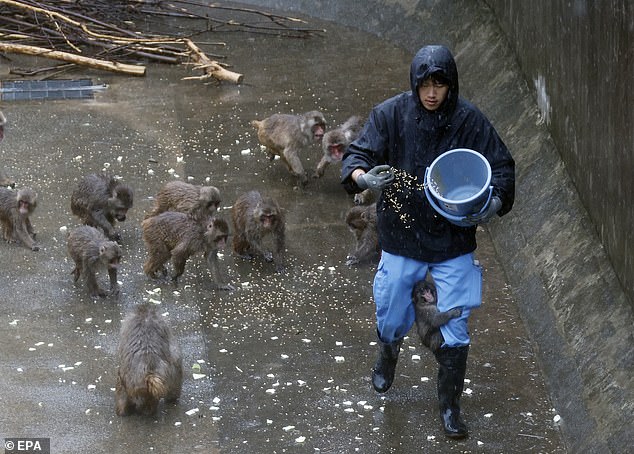
The question of why Punch's mother abandoned him has also been the subject of scientific inquiry. Maternal abandonment is unusual in macaques but not unheard of, particularly when the mother is young and inexperienced. Professor Jo Setchell, a primatologist at Durham University, explained that Punch's mother may have been his first offspring, lacking the experience to care for him effectively. 'I have seen inexperienced primate mothers hold their baby upside down, for example, and appear to be very stressed when the baby wriggles,' she noted. 'It's a big change to go from being pregnant to having a baby clinging to your tummy all the time, for the first time!' The environmental conditions at the time of Punch's birth may have also played a role. 'If the mother is in poor condition herself, she might prioritize her own survival and her future offspring over caring for a baby that is unlikely to survive the current conditions,' Professor Setchell added.
The potential influence of Punch's mother's own upbringing cannot be overlooked. Dr. Bethell suggested that maternal abandonment is more likely if the mother herself experienced abnormal rearing, such as being separated from her own mother too young or facing other forms of early-life stress. 'This could have been associated with captivity,' she noted, highlighting the complex interplay between environmental factors and behavioral outcomes in primates. These insights offer a glimpse into the broader challenges faced by animals in captivity, where the natural rhythms of life are often disrupted by human intervention.
As Punch's story continues to unfold, it serves as a poignant case study in the intersection of animal welfare, scientific understanding, and public perception. The decisions made by Ichikawa Zoo and the broader scientific community will likely shape not only Punch's immediate future but also the long-term implications for primate conservation and ethical zoo practices. For now, Punch remains a symbol of both the fragility and resilience of life in captivity—a lonely macaque whose fate hangs in the balance between the instinctual needs of his species and the interventions of a world that has come to care deeply about him.
Photos