Redefining Menopause: Dr. Anna Cabeca's Journey from Premature Menopause to Medical Innovation
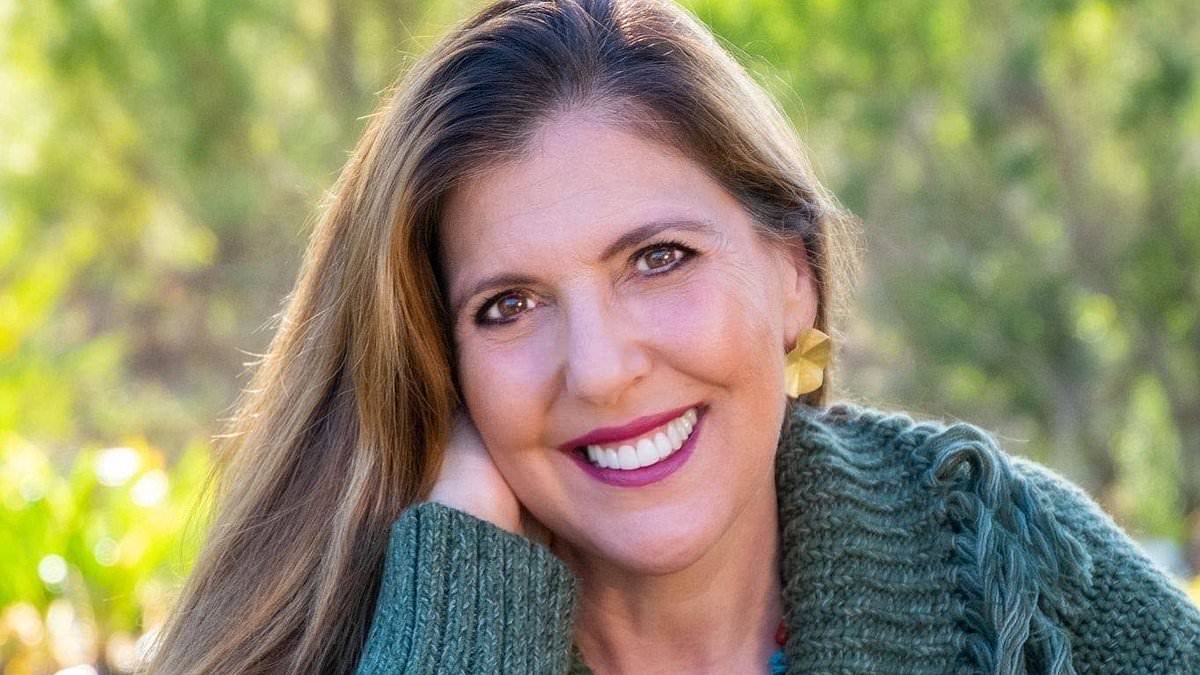
Dr. Anna Cabeca, a triple board-certified obstetrician-gynecologist from Texas, first encountered the signs of menopause in 2006 at the age of 39. Her menstrual cycle ceased, and she experienced symptoms like vaginal dryness, sleep disturbances, and emotional turmoil. Confronted by a medical system that offered little more than antidepressants and sleeping pills, Cabeca felt disillusioned. Doctors told her she had no choice but to accept premature menopause—a condition affecting two million Americans annually—and that fertility was now out of reach. The emotional toll was immense. 'I felt dried up and just worn out and defeated by our medical system,' she later told the Daily Mail. This moment marked the beginning of a journey that would challenge conventional wisdom and redefine the narrative around menopause.

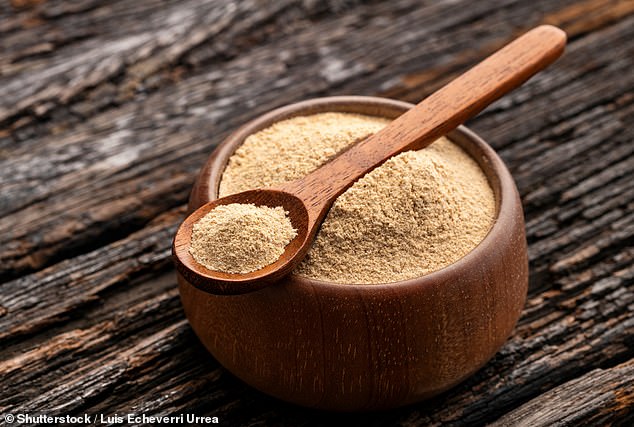
A year-long sabbatical took Cabeca across 17 countries, where she encountered traditional remedies rooted in indigenous knowledge. In Peru, she discovered maca, a cruciferous root vegetable celebrated for its potential to balance hormones and combat stress. 'It's the Peruvian Viagra,' she said. Maca, an adaptogen, had been used for centuries in South America to support reproductive health. While research on its effects in humans is limited, some studies suggest it may improve libido and sexual function, particularly in women experiencing antidepressant-induced sexual dysfunction. Inspired by these findings, Cabeca began exploring other superfoods during her travels, including turmeric, acerola cherry, mangosteen, and cat's claw herbs, each with purported benefits for hormonal balance and inflammation reduction.

Back in the United States, Cabeca developed a supplement called Mighty Maca Plus, blending maca with 30 other ingredients she had encountered. By 2008, at 41, her menstrual cycle returned, and she conceived a child despite being told she was infertile. The breakthrough was nothing short of astonishing. 'I had no concept that anything I was doing was going to improve my diagnosis or completely reverse my diagnosis,' she admitted. Her story ignited conversations about the limitations of conventional medicine in addressing menopause and the potential of integrative approaches rooted in global traditions.
Yet, Cabeca's journey was not without challenges. By 2014, at 48, she faced 'full-blown perimenopause,' with symptoms that overwhelmed her. 'I was burned out,' she said, adding that she closed her medical practice during this period. The physical and emotional strain was severe—20 pounds of weight gain without changes to her lifestyle, persistent mood swings, and vaginal dryness. These experiences led her to revisit her approach, focusing on diet and lifestyle interventions. Her urine tests revealed high acidity, prompting her to prioritize alkaline foods like avocado, bananas, broccoli, and fermented items such as kimchi and kefir. These foods, she argued, could help regulate vaginal pH and mitigate bacterial overgrowth, a factor linked to worsening menopause symptoms.
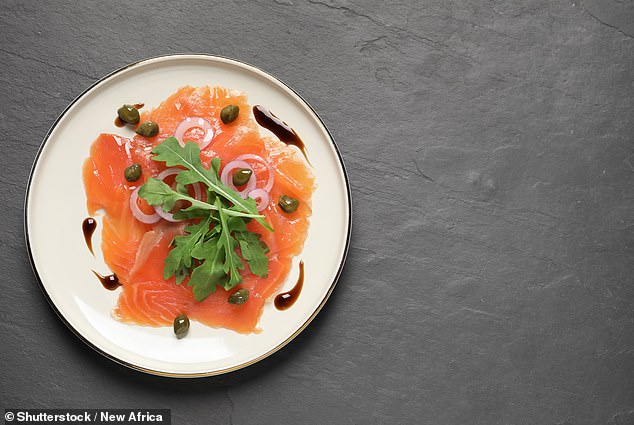
Cabeca adopted a 'keto-green' diet, emphasizing healthy fats, alkaline foods, and eliminating grains and dairy. Meals included smoked salmon with capers, olive oil, and arugula, as well as kofta with tomatoes and herbs. She also focused on reducing cortisol, the stress hormone that spikes during menopause, while boosting oxytocin—the 'love hormone'—through activities like spending time with horses, walking in nature, and practicing gratitude. 'Love, affection, gratitude, giving of your time, doing things you love—these things increase oxytocin,' she explained. This holistic approach, blending diet, exercise, and emotional well-being, became her blueprint for managing menopause.
By the time Cabeca reached menopause at 56, her symptoms had disappeared. The only sign was the absence of her menstrual cycle for a full year. 'The symptoms were completely gone,' she said. Her experience underscores a broader message: while menopause is an inevitable biological process, its impact is not necessarily a given. 'Menopause is natural and mandatory. Suffering is optional,' Cabeca declared. She advocates for early lifestyle interventions that could 'set the foundation' for healthy aging in women. By making small shifts in diet and habits, she argues, women can reclaim agency over their health. Her story challenges a system that often dismisses natural remedies and highlights the power of integrative medicine in addressing one of the most significant health transitions women face.
Public health systems worldwide must consider how accessible and credible alternatives to pharmaceutical treatments can be. Cabeca's journey, though personal, offers a glimpse into how policy and education could evolve to support holistic care for menopause. Experts warn that hormonal imbalances during menopause can lead to long-term issues like cardiovascular disease and osteoporosis, making proactive strategies crucial. By promoting evidence-based lifestyle changes—such as the consumption of omega-3s, alkaline diets, and stress management—healthcare providers might help millions navigate menopause with greater ease. Cabeca's story is not just about reversing menopause; it's a call for rethinking how societies support women's health at every stage of life.
Photos