Red Meat Consumption Linked to 49% Increased Diabetes Risk, Study Reveals
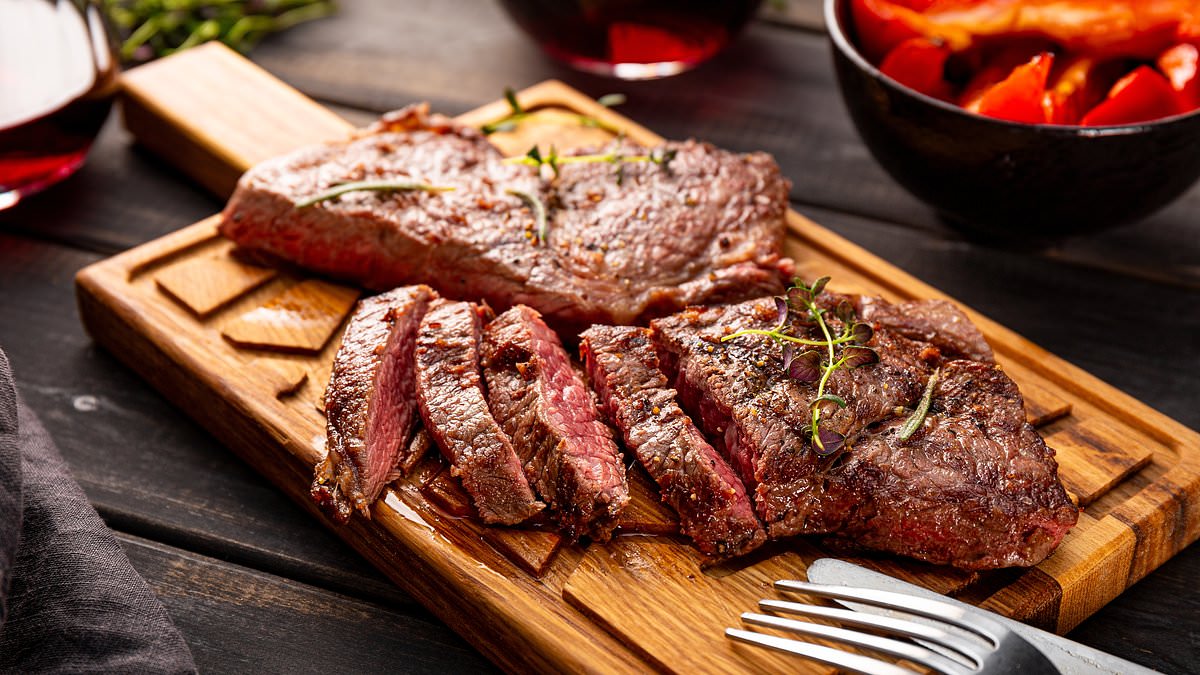
A groundbreaking study published in the British Journal of Nutrition has raised new concerns about the long-term health implications of diets high in red meat. Researchers analyzed data from over 34,000 adults in the National Health and Nutrition Examination Survey, revealing a striking correlation between red meat consumption and diabetes risk. Participants in the highest quintile of red meat intake faced a 49% greater likelihood of developing diabetes compared to those who consumed the least, even after controlling for variables such as age, BMI, and physical activity. This finding adds to a growing body of evidence suggesting that dietary patterns may play a pivotal role in the global diabetes epidemic.
The study's scope extended to both processed and unprocessed red meats. Processed varieties—such as sausages and deli meats—alongside unprocessed options like beef and pork, were each linked to increased diabetes risk. Notably, each additional daily serving of red meat corresponded to a 16% higher chance of diabetes diagnosis. These statistics underscore a troubling trend: in a world where 12.1 million UK adults already live with diabetes or prediabetes, the implications of this research could not be more urgent. What does this mean for the millions of people at risk, and how might this data reshape public health strategies?
Diabetes, particularly type 2, remains a leading cause of preventable blindness, kidney failure, and cardiovascular disease in working-age populations. Around 90% of diagnosed cases involve type 2 diabetes, a condition where insulin production or function is impaired. While genetics and obesity are well-known contributors, the study highlights how lifestyle factors—including diet—can significantly amplify these risks. Could a diet heavy in red meat be a silent but significant driver of this preventable crisis?

The research also points to potential solutions. Replacing red meat with plant-based protein sources—such as nuts, legumes, and soy—was associated with a reduced diabetes risk. Substituting with poultry, dairy, or whole grains also showed modest benefits. These findings persisted even when accounting for overall diet quality, suggesting that the link between red meat and diabetes is not merely a byproduct of poorer overall health in high-consumption groups. However, researchers caution that this is an observational study, and while it identifies associations, it does not prove causation.
Public health experts emphasize the need for actionable insights. The NHS already recommends lifestyle interventions—such as exercise, weight loss, and balanced diets—as effective tools to reduce type 2 diabetes risk by up to 50%. Yet, with red meat consumption remaining high in many populations, the challenge lies in translating these findings into widespread behavior change. Could this study be a turning point in how governments and healthcare providers approach dietary guidelines?
The study aligns with prior research on the Mediterranean diet, which combines whole grains, fruits, vegetables, and olive oil to slash diabetes risk by nearly a third. However, the findings also highlight the role of other risk factors, such as smoking and hypertension, which compound the dangers of poor diet. As global diabetes rates continue to rise, the question remains: how can communities balance cultural dietary preferences with the imperative to reduce preventable health risks? The answers may lie not just in individual choices, but in systemic changes that prioritize long-term public well-being.
Photos