Punch the Macaque: A Viral Journey from Abandonment to Global Sympathy
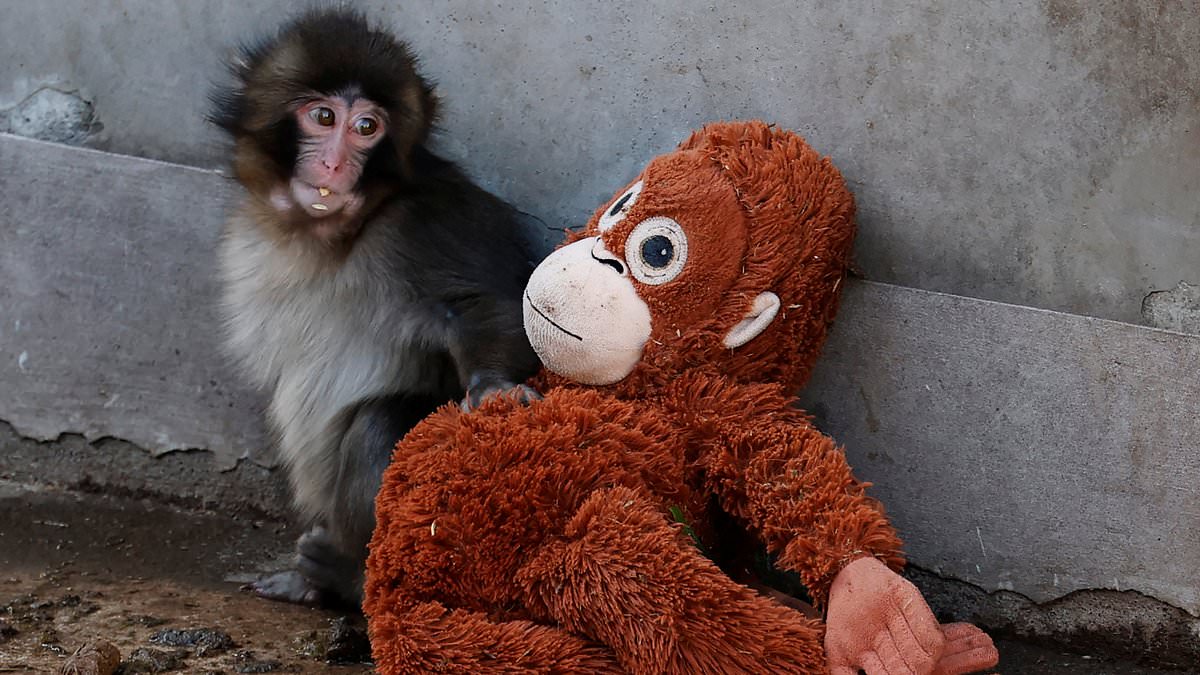
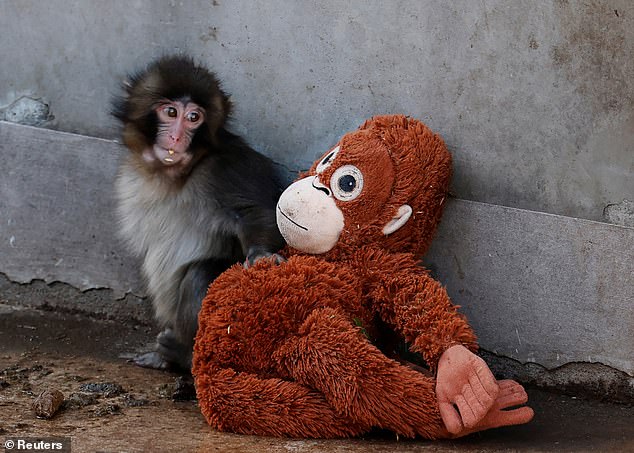
In the quiet outskirts of Ichikawa City, a six-month-old Japanese macaque named Punch has become the center of a viral storm that has swept across the globe. His story, however, is one of abandonment, resilience, and unexpected fame. On February 5, the Ichikawa City Zoo posted an image of Punch clinging to an orangutan soft toy from Ikea, his eyes wide with desperation, while a caption revealed that the infant had been rejected by his mother. The photo, posted online, ignited a wave of sympathy and support, with over 5 million views within days. One Instagram user wrote, 'I pray for him every day,' while another pleaded, 'Please, God, protect him!' The hashtag #HangInTherePunch trended, marking the birth of a new global icon.
The zoo, located 20 miles outside Tokyo, is home to less than half a million residents. Its main attractions include the zoo and a heated swimming pool powered by incinerated household waste. Yet, Punch has transcended these humble origins, now recognized as far away as Jaipur and Jersey. His rise to stardom is a stark contrast to the ordinary life of a small city, where few had ever heard of a macaque named after the famous Japanese satirical cartoonist Kazuhiko Kato's Monkey Punch. The zookeepers, however, are no strangers to the power of social media. 'We've seen a surge in visitors,' said Kosuke Shikano, a 24-year-old zookeeper who has cared for Punch since birth. 'In the same weekend as the post, 8,000 people came to see him—double the number from last year.'
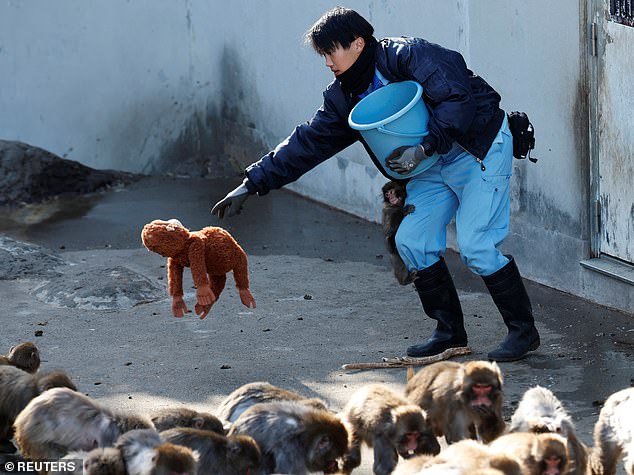
The viral sensation took an unexpected turn when Andrew Tate, the controversial figure and alleged rapist, offered to buy Punch for $250,000. The offer, though later withdrawn, highlighted the bizarre intersection of fame and exploitation that now surrounds the monkey. But for Punch, the focus remains on his struggles and survival. Videos circulate online of him clinging to his orangutan plushie, guarding it from larger primates, and using it as a pillow. Other clips reveal a darker side: Punch being physically pushed away by his troop, bared teeth, and even being hurled like an Olympic hammer. These moments have shocked viewers, with one Gen Z user declaring, 'Dear God, please take away all of little Punch's pain and give it to every single one of my enemies.'
Punch's story began in captivity on July 26 last year. When he was born, Shikano immediately noticed something was wrong. His mother ignored him, pushing him away even when Shikano tried to force a reunion. 'We observed from a distance,' Shikano explained. 'Other mother monkeys sometimes take on childcare, but there were no such signs.' Theories abound about why Punch was rejected: his mother's traumatic labor or the extreme summer heatwave. Either way, the keepers had no choice but to raise him by hand, swaddling him in blankets and hand-feeding him from a bottle. Monkeys instinctively cling to their mothers for safety and muscle development, which is why Punch was given a choice of toys. He immediately gravitated toward the orangutan soft toy from Ikea, its fur easy to grasp and its appearance resembling a monkey.
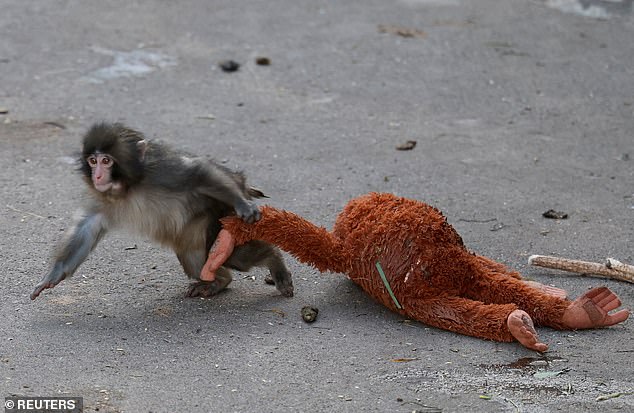
The toy, priced at £17, has become a symbol of Punch's isolation and resilience. Ikea, sensing a commercial opportunity, sent its regional president and chief sustainability officer, Petra Fare, to gift the zoo additional toys. The company reported a significant increase in sales of the Djungelskog orangutan toy, particularly in Japan, the US, and South Korea. Outlets sold out quickly, prompting some owners to list them on eBay for up to $350—fifteen times the original price. 'The toy has become more than just a plushie,' said a zoo official. 'It represents hope and compassion for a creature who needs it most.'
Despite the challenges, there are signs of hope. The zoo recently announced that Punch is 'gradually deepening his interactions with the troop of monkeys.' Videos show him socializing with his peers, receiving a much-needed groom, and even sharing a hug with an older monkey. 'It's a heartening development,' Shikano said. 'We're all so proud of him.' Yet, the journey has been far from easy. Punch's story is not just about a monkey who became a viral sensation—it's about a child who wished for nothing more than to be loved, a story that has resonated with millions around the world.

As Punch continues to integrate with his troop, the global community watches with bated breath. His tale is a reminder of the power of compassion in a world often marked by indifference. For Punch, the road has been long, but the light at the end of the tunnel is now within reach. And for those who have followed his journey, there is solace in knowing that the monkey, once isolated, is finally finding his place among his kin.
Photos