Pima County Sheriff's Office: Savannah Guthrie's Mother Still Missing After Abduction; Health Concerns Mount
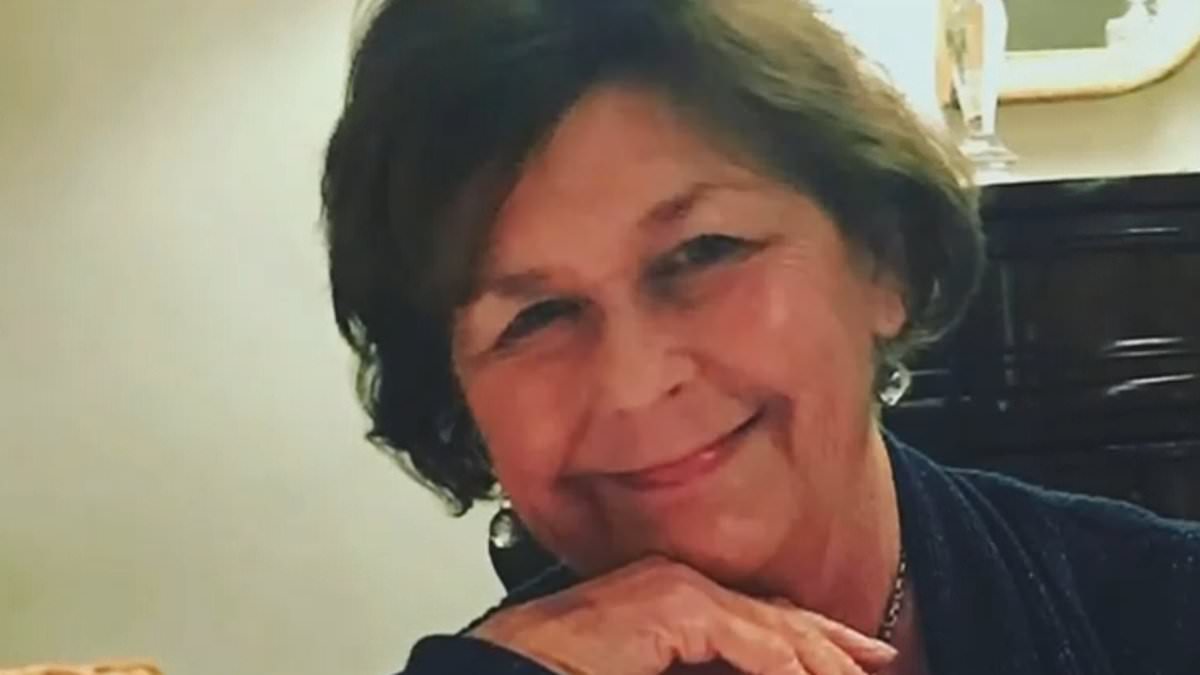
It has been four days since Savannah Guthrie's mother, Nancy, was abducted from her home in the middle of the night. The Pima County Sheriff's Office has not ruled out the possibility she is still alive, but concerns are mounting over her deteriorating health. Nancy, 84, resided in the upscale Catalina Foothills neighborhood of Arizona, where she lived alone in a $1 million home. She was last seen around 9:45 p.m. on Saturday, and her absence was first noticed when she failed to attend church on Sunday. Her family discovered bloodstains in the foyer of her home, prompting them to report her missing. Authorities have since described her as frail and mobility-impaired, with limited ability to travel long distances.
The Pima County Sheriff's Office released an audio dispatch highlighting Nancy's medical vulnerabilities. Sheriff Chris Nanos emphasized the critical need for her daily medication, stating, 'If she's alive right now, her meds are vital. I can't stress that enough.' While details remain scarce, police confirmed she suffers from high blood pressure, cardiac issues, and has a pacemaker linked to her Apple devices. The pacemaker disconnected, possibly due to a loss of signal range. These disclosures have prompted medical professionals to express grave concerns about her current condition.
Doctors analyzing the limited information released have warned that Nancy's health could rapidly decline without immediate intervention. Her extensive bruising on the hand and forearm, visible in photos, led Dr. Ankur Kalra, a cardiologist, to speculate she may be on blood thinners. This assumption is based on the nature of the injuries, which could indicate anticoagulant use to prevent dangerous blood clots. Without her essential medications, her condition could worsen within days, with risks of severe complications such as stroke or cardiac arrest.
The presence of a pacemaker indicates Nancy has a significant heart rhythm disorder, likely requiring medical intervention. Dr. Elizabeth Klodas, a Minnesota-based cardiologist, explained that a pacemaker alone does not restrict mobility but suggests an underlying condition such as atherosclerosis. This condition involves plaque buildup in arteries, which can lead to heart attacks, strokes, or leg pain. Combined with high blood pressure and potential diabetes, these factors create a 'perfect storm' of health risks. Klodas warned that failing to manage these conditions with medication could prove fatal in 24 hours.
Authorities have stated that Nancy's missing medications pose a 'life-threatening' risk. Dr. Carole Lieberman, a California-based psychiatrist, speculated she may be on anticoagulants, antiarrhythmic drugs, or medications for heart failure. The absence of these could lead to catastrophic outcomes, including stroke. A stroke occurring within 30 minutes of medication cessation could cause paralysis, speech difficulties, or cognitive impairment, making it impossible for Nancy to seek help or communicate her location.
The investigation into Nancy's disappearance has intensified, with Savannah Guthrie appealing for public support via social media. She urged people to 'please pray' for her mother, expressing faith in prayer and humanity. The case has drawn widespread attention, with medical experts and law enforcement working to trace Nancy's whereabouts while emphasizing the urgency of her medical needs. As the search continues, the interplay between her health status and the missing person investigation grows more complex, with every passing hour potentially increasing the risk to her life.
Pacemakers, now common among Americans over 65, can transmit data wirelessly to healthcare providers. However, Nancy's device may not be sending updates, adding to the uncertainty about her condition. Doctors stress that even with a functioning pacemaker, her survival depends on consistent access to her medications. The lack of information about her current location or health status has left her family and medical professionals in a state of high alert, with time potentially being the most critical factor in determining her fate.
The case has also raised questions about the safety of elderly individuals living alone, particularly those with complex medical needs. Experts have called for greater community support systems and emergency response protocols tailored to vulnerable populations. As the search for Nancy continues, the focus remains on finding her before her health deteriorates beyond recovery. The intersection of medical urgency and criminal investigation has created a high-stakes scenario where every decision could mean the difference between life and death.