Oral Health Plays Critical Role in Preventing Over 50 Systemic Diseases, Study Suggests

Brushing your teeth properly could be a key factor in preventing over 50 systemic health conditions, including dementia, rheumatoid arthritis, and Parkinson's, according to a panel of experts. The findings, presented at the world's largest general science conference, highlight a growing body of evidence linking oral health to systemic diseases. Researchers have observed that the spread of inflammation and infection caused by mouth bacteria can affect organs and tissues such as the brain, joints, and gut. While the full mechanisms remain under study, the consensus is clear: oral health plays a critical role in overall well-being.
Alpdogan Kantarci, a professor of dentistry at the University of Minnesota, emphasized that advanced gum disease—periodontitis—does not directly cause conditions like dementia. However, it can exacerbate existing risk factors and accelerate disease progression in vulnerable individuals. Kantarci cited research showing that people with mild to moderate cognitive impairments who maintain good oral hygiene, including regular brushing and professional cleanings, demonstrate improved cognitive outcomes. He told the American Association for the Advancement of Science (AAAS) conference in Phoenix, Arizona, that maintaining dental health may be associated with a reduced risk of more than 50 systemic conditions.
Studies in mice have further supported this link. Kantarci noted that periodontitis can increase brain inflammation, and pathogenic oral bacteria may cross the blood-brain barrier, particularly in older animals. This raises concerns about the potential role of oral bacteria in neurodegenerative diseases. Meanwhile, Dr. Felipe Andrade, an associate professor of medicine at Johns Hopkins, highlighted evidence that pathogens linked to gum disease also contribute to the development of rheumatoid arthritis. Dr. Nobuhiko Kamada from the University of Michigan described how oral bacteria can alter the gut microbiome, potentially increasing the risk of inflammatory bowel disease and colorectal cancer.

The connection between oral health and systemic conditions extends beyond the brain and joints. Other conditions linked to poor dental hygiene include heart disease, stroke, and diabetes. Kantarci warned that sugary and ultra-processed diets are driving a surge in tooth decay and gum disease. He compared the UK's oral health to that of a third-world country, citing processed food, soft diets, and obesity as major contributors. Data from the Oral Health Survey for England revealed a troubling trend: while tooth decay rates declined from 46% to 28% between 1998 and 2009, the most recent 2023 survey found that 41% of adults with natural teeth had visible decay. Alarmingly, 93% of people showed signs of periodontal disease, such as inflammation or tartar buildup.
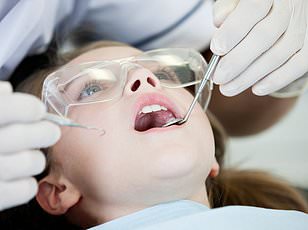
Kantarci attributed the rise in dental issues to shifts in eating habits, including the proliferation of food delivery services and processed foods. He noted that these changes have reduced home cooking and natural eating, worsening oral health. 'This is affecting people's teeth, their oral health,' he said. 'It's no surprise that people are getting these diseases more in developed countries.' Kantarci urged global health systems and academics to promote oral health awareness as a vital component of systemic health. He is part of a taskforce calculating the economic and social benefits of improved dental care, emphasizing that good habits are essential not just for preventing cavities but for reducing the risk of age-related diseases.
The panel also called for international collaboration to better understand the interconnectedness of body systems. Kantarci offered practical advice: brush teeth two to three times daily, especially after consuming sticky or sugary foods. For those who can only brush once, he recommended doing so before bed. Older adults with dexterity challenges may benefit from electric toothbrushes, which can also clean the tongue effectively. As research continues to unfold, the message is clear—oral health is not just a matter of aesthetics or comfort but a cornerstone of lifelong health.
Photos