Noel Clarke's Arrest Reignites Debate on Historical Sexual Allegations and Celebrity Accountability
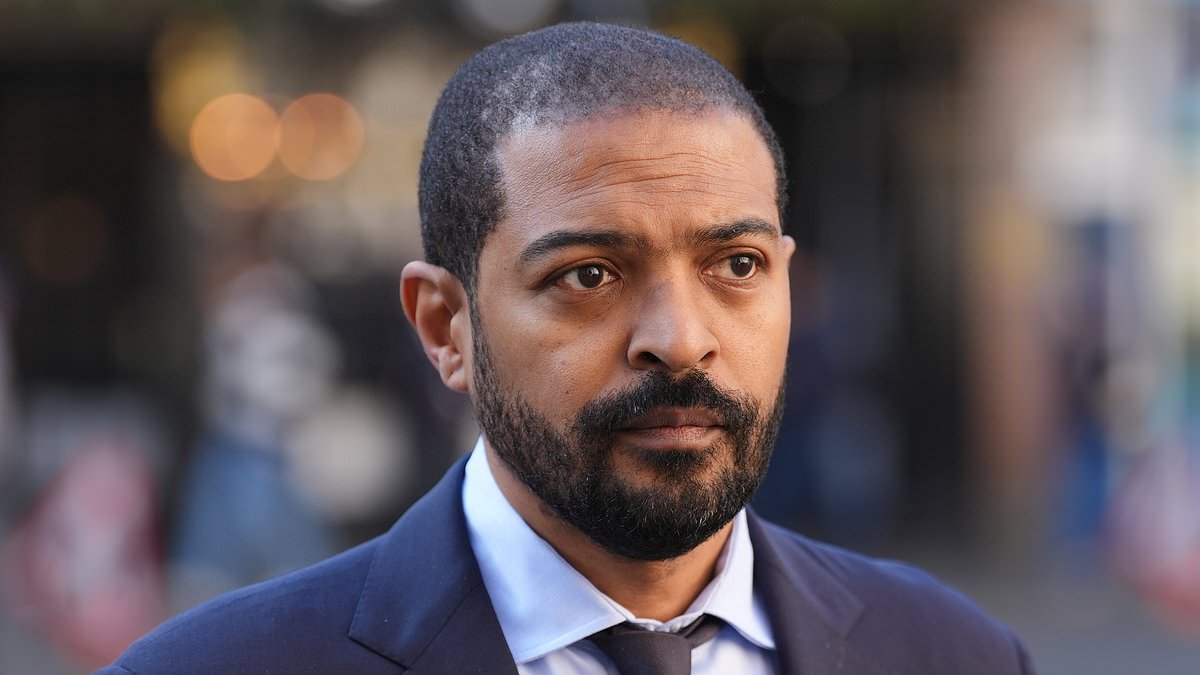
The arrest of Noel Clarke, a prominent British actor best known for his role in the long-running sci-fi series *Doctor Who*, has reignited discussions about the legal process surrounding historical sexual allegations and the intersection of celebrity status with public accountability. Clarke, 50, was detained at Islington Police Station in north London on suspicion of attempted rape, exposure, and sexual assault by touching, all allegedly involving a woman in her 20s. These charges relate to an incident purported to have occurred in 2007, though the specifics of the investigation remain under wraps. How does the justice system ensure thoroughness in cases where the passage of time may complicate evidence collection and witness recall? The Metropolitan Police's Central Specialist Crime Command, which has been investigating since September 2025, emphasizes the importance of meticulous inquiry in such matters.
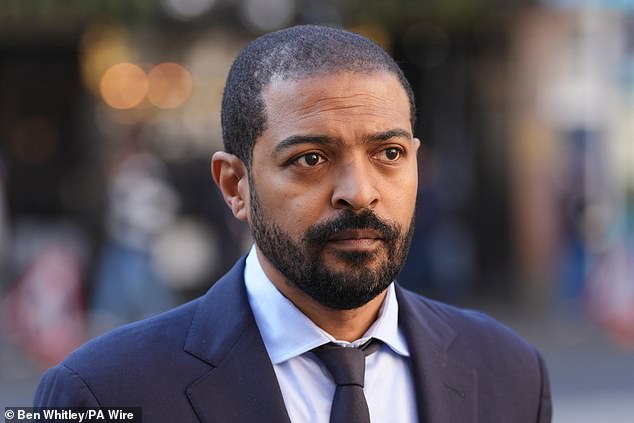
Clarke was also questioned over a separate allegation of voyeurism linked to a woman in her 20s in 2013. This charge dates back to an earlier arrest in September 2025, when police officers conducted an initial investigation at his Kensington home. The timeline of events raises questions about the challenges of pursuing historical offenses, particularly when legal processes and societal awareness of such issues evolve over time. The Met Police confirmed that Clarke was released on bail following his interview, with the investigation still in its early stages. What does this suggest about the broader landscape of sexual misconduct allegations and the legal system's approach to them?
The context of Clarke's current legal troubles is further complicated by his high-profile libel case against the *Guardian* newspaper in August. Clarke was ordered to pay over £3 million in legal costs after a High Court judge ruled in favor of the newspaper's reporting on allegations of misconduct. The *Guardian*'s legal team defended their coverage as both factual and in the public interest, a stance supported by the court's findings. This outcome highlights the delicate balance between the right to free speech and the personal repercussions of media scrutiny for individuals facing serious allegations.
Clarke's career trajectory—from his iconic role as Mickey Smith in *Doctor Who* to his work as a writer and producer—has been marked by both critical acclaim and controversy. His bankruptcy declaration in December 2025, following the libel case and related financial settlements, underscores the economic fallout of such legal battles. His legal representatives previously accused the *Guardian* of acting as an unchecked authority, but the court's ruling reinforces the role of the press in exposing potential misconduct. How does this reflect broader societal expectations for accountability in public figures?
The Met Police's ongoing investigation into Clarke's alleged actions—spanning over a decade—demonstrates the persistence of law enforcement in addressing sexual offenses, regardless of the perpetrator's status. Yet, the complexity of such cases remains evident. With no direct evidence presented in public, the outcome hinges on the credibility of testimonies and the sufficiency of historical records. As the legal process unfolds, it will be crucial to examine how the justice system navigates the unique pressures and scrutiny that accompany high-profile cases.
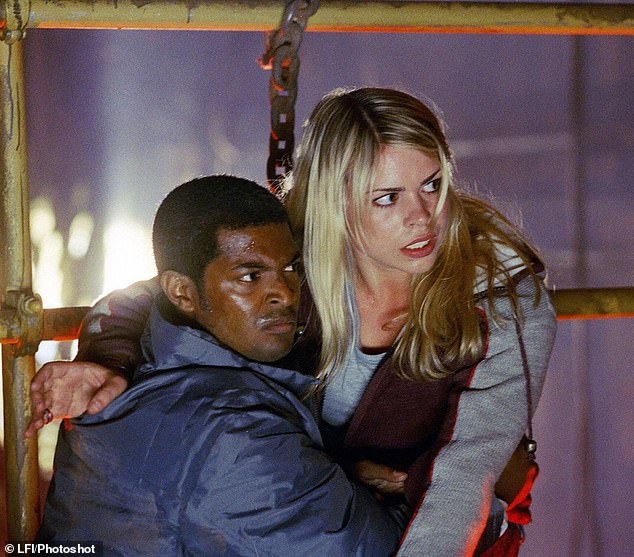
For the public, the case serves as a reminder of the legal system's role in addressing historical allegations, even when decades have passed. It also prompts reflection on the broader implications of media coverage in shaping both legal outcomes and public perception. The resolution of Clarke's case may offer insights into the evolving standards of accountability, transparency, and the challenges of reconciling past actions with present-day justice.
Photos