NIH Launches Controversial Ivermectin Cancer Study Amid Pandemic Scrutiny and Scientific Debate
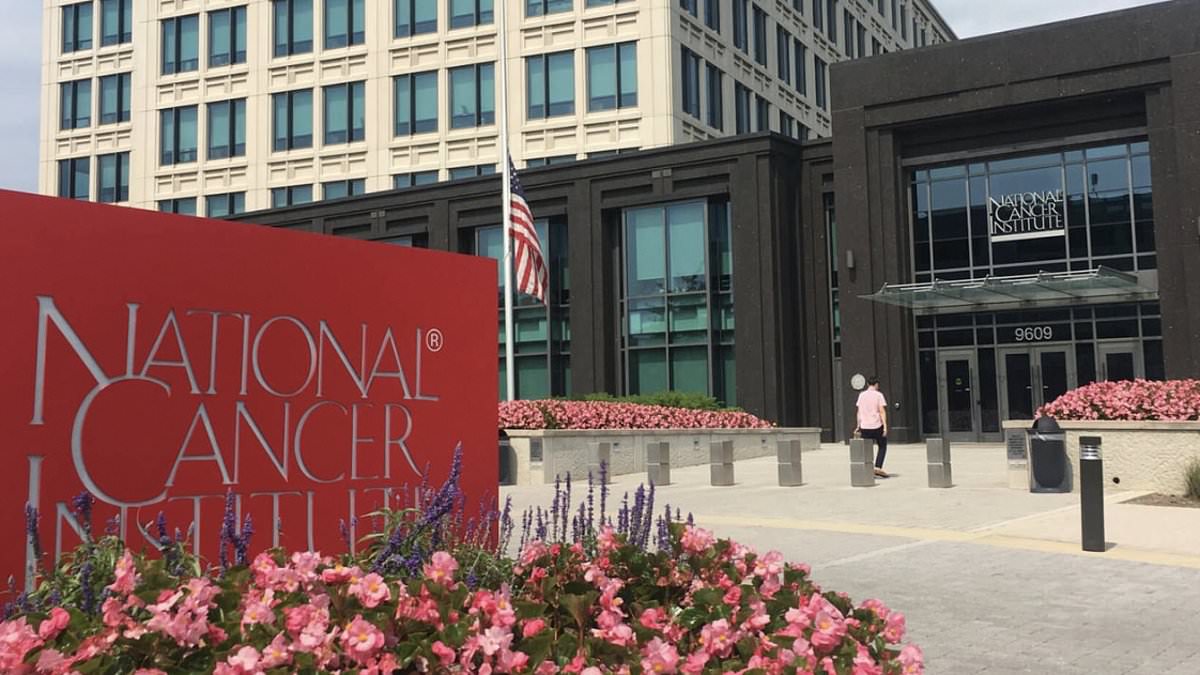
The National Institutes of Health has launched a controversial new study on ivermectin, a decades-old anti-parasitic drug, to explore its potential as a cancer treatment. This comes as the drug, which gained notoriety during the pandemic for unproven claims of curing Covid-19, faces renewed scrutiny. The National Cancer Institute (NCI), a flagship of the NIH, is now examining whether ivermectin can kill cancer cells, despite a lack of clinical evidence supporting its efficacy for the disease. The move has sparked debate among scientists, clinicians, and public health officials.
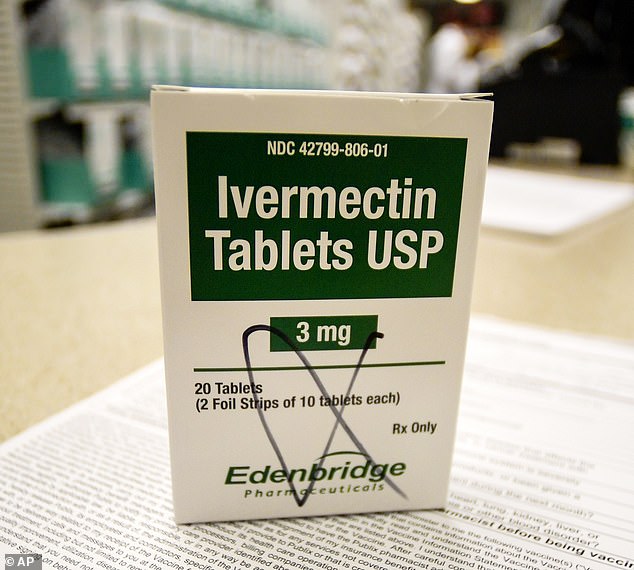
At a January event, NCI Director Dr. Anthony Letai, a Trump appointee, admitted the decision was driven by public interest rather than new scientific findings. 'There are enough reports of it, enough interest in it, that we actually did — ivermectin, in particular — did engage in sort of a better preclinical study of its properties and its ability to kill cancer cells,' he said. His remarks followed a statement from NIH Director Jay Bhattacharya, who emphasized the agency's obligation to 'treat it seriously' if it's generating public health concern.
But the initiative has drawn sharp criticism from within the medical community. Jeffery Edenfield, executive medical director of oncology at Prisma Health Cancer Institute, warned that 'many things work in a test tube. It still doesn't mean it's going to work in people.' A senior NCI scientist, who spoke anonymously to Stat, called the allocation of research funds 'absurd,' arguing that the study is based on 'nonscientific ideas' rather than rigorous evidence. The NCI's budget — $7.35 billion for Fiscal Year 2026 — is the world's largest cancer research funding, yet critics question why it's being directed toward a drug with no proven track record in oncology.

Ivermectin's journey from a parasitic infection treatment to a potential cancer cure has been fraught with controversy. During the pandemic, fringe medical groups and right-leaning influencers promoted it as a 'miracle drug' for Covid-19, despite clinical trials failing to show benefits. The drug resurged in popularity as a supposed remedy for everything from lupus to autism, claims that remain unverified. Now, as it's tested for cancer, experts caution that preclinical studies — which show ivermectin can kill cancer cells in lab settings — are far from proof of its safety or effectiveness in humans.

The risks of self-medicating with ivermectin are dire. The drug is dosed by body weight, and livestock formulations contain concentrations up to 10 times higher than those approved for humans. Misuse can lead to neurotoxicity, kidney failure, and life-threatening drug interactions. A case study from Cincinnati Children's Hospital detailed a teenage patient with metastatic bone cancer who took ivermectin after seeing social media posts. The boy developed severe kidney problems, became comatose, and required hospitalization. Doctors linked his condition to ivermectin-related neurotoxicity, exacerbated by interactions with his cancer medication.
The push to investigate ivermectin has also reignited long-standing accusations about government oversight. Robert F. Kennedy Jr., the HHS Secretary, has long argued that the government and Big Pharma suppressed ivermectin because it's not profitable. His followers, along with supporters of the MAHA movement, continue to spread the narrative that low-cost, off-patent drugs are being sidelined for corporate gain. Yet, the NCI's decision to study ivermectin — without citing new evidence — raises questions about whether political pressures are influencing science.
Letai acknowledged the drug is 'not going to be a cure-all for cancer' and described the preclinical signals as 'not a really strong signal.' But the mere fact that the NCI is pursuing this line of research, despite the lack of data, has alarmed many. 'This doesn't rule out… individual reports of people having taken it that had a response to their cancer,' Letai said. 'This doesn't invalidate their personal experience.' Yet, as Edenfield pointed out, 'medical misinformation often targets vulnerable patients.' For those facing life-threatening illnesses, the line between hope and harm is razor-thin.
As the NCI moves forward, the scientific community waits for results. But with the clock ticking on a drug that has already been discredited for one pandemic, critics wonder if this is another chapter in a story of misplaced trust — and whether the NIH can balance public interest with the rigor required to advance cancer treatment.
Photos