Nick Reiner's Siblings Cut Legal Funding Amid Death Penalty Eligibility in Parents' Murder Case
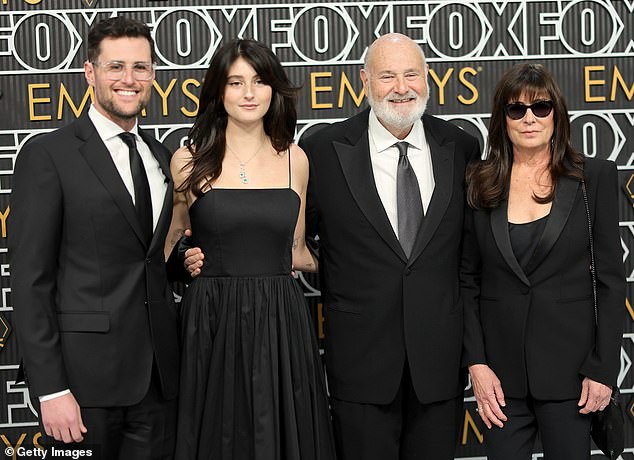
Nick Reiner's siblings have reportedly ceased financial support for his defense in the high-profile murder case involving his parents, filmmaker Rob Reiner and his wife Michele. The 32-year-old, who faces two counts of first-degree murder, pleaded not guilty Monday in Los Angeles County Superior Court. He was arrested hours after the December 14 killings at his family's $13.5 million Brentwood home and has remained in custody without bail. The shift in legal funding comes as prosecutors confirm the case is eligible for the death penalty, forcing the court to appoint a public defender to represent Nick. This marks a significant departure from earlier reports that his siblings, Romy and Jake Reiner, had hired private counsel, including prominent attorney Alan Jackson, who later withdrew due to an undisclosed disagreement.
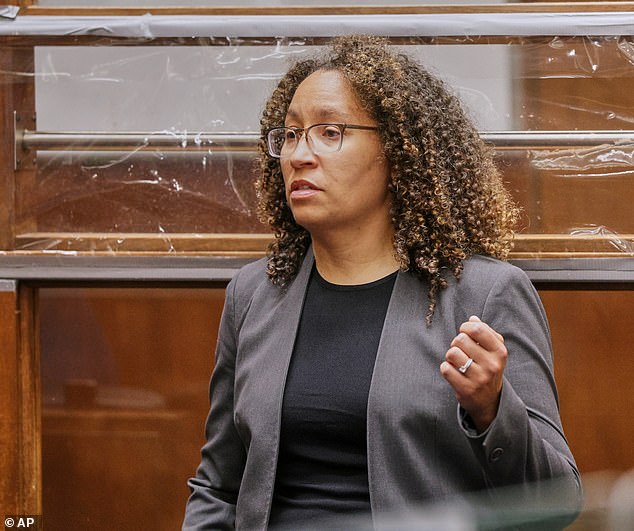
The court-appointed public defender, Deputy Public Defender Kimberly Greene, entered a not guilty plea on Nick's behalf during Monday's hearing. Sources close to the Reiner family told TMZ that Romy and Jake have no plans to hire additional private attorneys or contribute further to Nick's defense. This decision raises complex ethical questions about familial obligations in criminal cases, particularly when the accused is charged with capital crimes. The siblings' stance has not yet been clarified on whether they will advocate for or against the death penalty, a factor that could influence the prosecution's strategy as the case progresses.
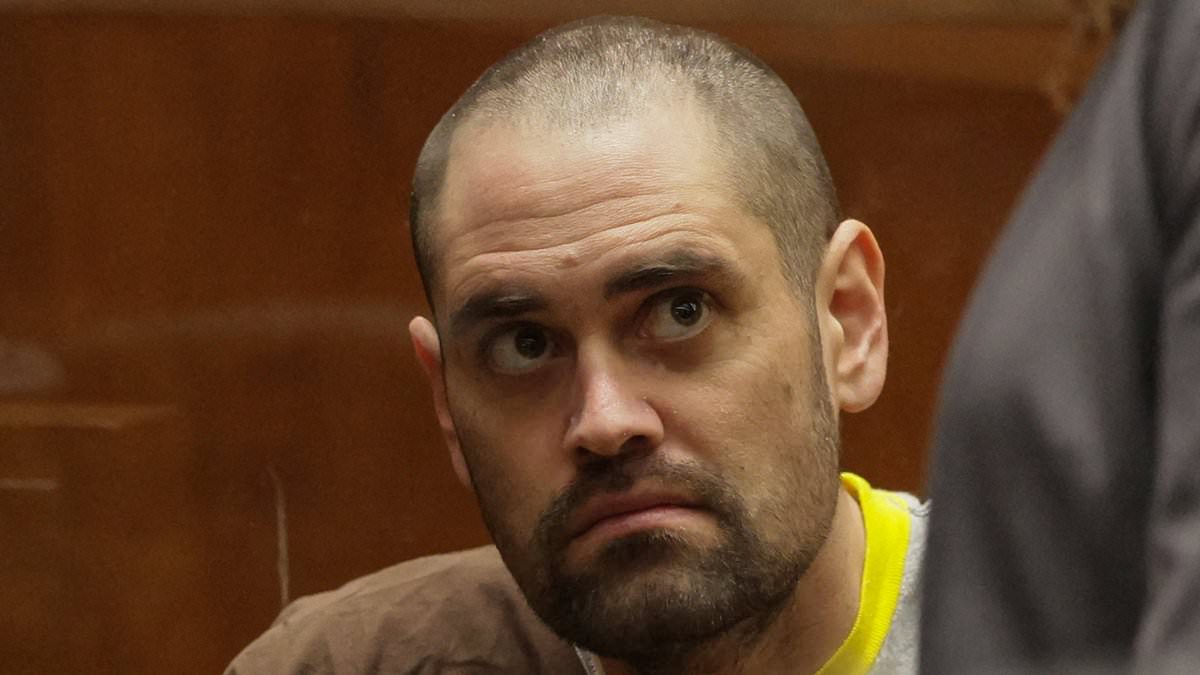
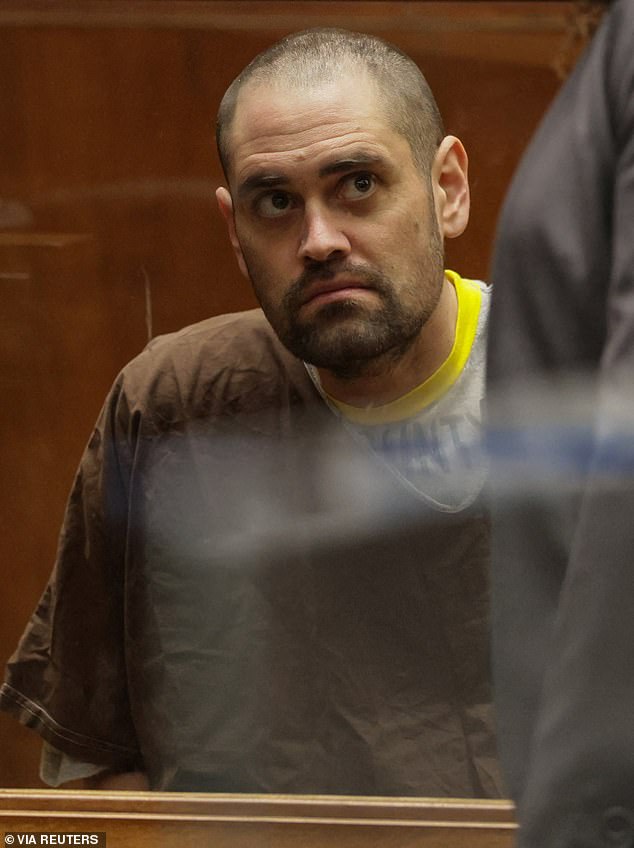
Nick's appearance in court Monday underscored the gravity of the situation. He appeared gaunt and hollow-eyed, wearing brown prison garb as he sat hunched over in the crowded courtroom. During the hearing, he faintly whispered 'Yes' when asked if he understood the proceedings, marking his first public appearance in custody. His shaved head and distant gaze suggested a man grappling with the weight of his alleged actions. An elderly woman in the audience waved at him, prompting Nick to mouth 'hi' in response, a moment that highlighted the emotional toll on all involved.
Los Angeles County District Attorney Nathan Hochman confirmed the case remains eligible for the death penalty, emphasizing the rigorous process that will determine whether the prosecution seeks it. Hochman stated that the DA's office has provided most of the discovery materials to the defense and is awaiting the coroner's report before proceeding. He noted that mitigating and aggravating factors will be thoroughly examined, with the defense invited to submit written arguments regarding the death penalty. This procedural transparency is a standard practice in capital cases, though the outcome hinges on the evidence and legal arguments presented.
Mental health has emerged as a central issue in the case. Nick was reportedly placed under a mental health conservatorship five years prior to the killings, and he altered his schizophrenia medication about a month before his parents' deaths. His sister Romy discovered the bodies, adding a layer of personal trauma to the tragedy. Legal experts suggest that Nick's defense may pivot to a mental health argument, though timing remains critical. Lawyer Royal Oakes noted that raising an insanity defense early could bolster credibility, as delaying such a claim might invite skepticism about why it wasn't raised sooner.
The case has drawn public attention not only for its legal complexities but also for its emotional impact on the broader community. Comedian Conan O'Brien, who attended a holiday party with the Reiners just hours before the murders, described the tragedy as 'incredibly brutal.' He recounted a 'very loud argument' between Rob Reiner and Nick at the event, though no direct connection to the killings has been established. O'Brien emphasized the shock of losing friends who were 'lovely people' and lamented the silence of Rob Reiner's voice, a poignant reflection on the personal and cultural loss.
Inside the jail, Nick's behavior has reportedly been described as 'almost childlike,' according to TMZ executive producer Harvey Levin. He allegedly struggles to comprehend the legal consequences of his actions, despite knowing what he did. Levin called the killings 'incredibly brutal,' citing trauma among medical examiners who viewed the evidence. The possibility of methamphetamine use at the time of the murders has also been raised, though no formal charges related to drug use have been filed.
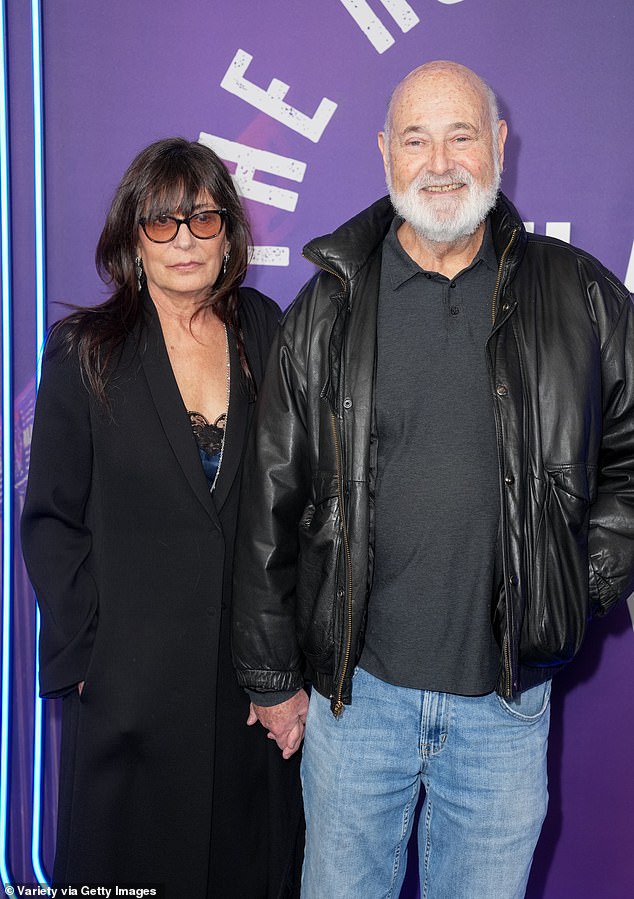
As the case moves forward, the interplay between Nick's mental health, the family's financial and emotional involvement, and the potential for the death penalty will shape the legal narrative. The court's handling of the case, including the appointment of a public defender and the procedural steps outlined by Hochman, underscores the seriousness of the charges. For the Reiner family, the tragedy has left a profound and enduring mark, one that will likely influence public discourse on crime, mental health, and the limits of familial support in the face of unspeakable loss.
Photos