Nexplanon Implant Migration Linked to Lung Injuries and Emergency Care

Victoria Stephens, a 28-year-old retail assistant from Gosport, Hampshire, once considered her contraceptive implant Nexplanon a 'perfect' solution. For years, it stopped her periods, eased pain, and eliminated the daily reminder of the Pill. But in 2020, she noticed the implant—roughly the size of a matchstick—had vanished from its usual spot under her left arm. This wasn't an isolated incident. Reports from the Medicines and Healthcare products Regulatory Agency (MHRA) show at least 126 UK women have faced similar problems since Nexplanon's 2010 approval, with 18 requiring emergency care due to implants lodged in or near their lungs.
The Nexplanon implant, a hormone-releasing rod, is designed to be inserted under the skin of the non-dominant upper arm. It releases progestogen to prevent ovulation and thin the uterine lining. Yet, its popularity—now used by around 400,000 UK women—hides a growing risk. Mistakes during insertion, such as accidental placement in the basilic vein, can send the implant into the bloodstream, where it may travel to the heart or lungs. In one case, a woman in her 20s required surgery at Royal Papworth Hospital in 2025 after her implant migrated to her pulmonary artery, necessitating a chest wall incision and five days in hospital.

Victoria's ordeal began when her GP discovered the implant had become lodged deep in her arm. A 2cm incision and multiple stitches were needed to remove it, with Victoria later needing a sling for weeks. The experience left her wary. 'I won't have it again,' she says, after a fourth implant—placed in her right arm—disappeared in 2023, triggering pain, abnormal sensations, and the return of menstrual cycles. Her story mirrors others: Danielle Jarrett, a Kent resident, lost full use of her left arm after a Nexplanon implant caused nerve damage, requiring two hours of surgery that failed to remove the device. 'I can't use a knife and fork,' she said, describing her daily life as a struggle.
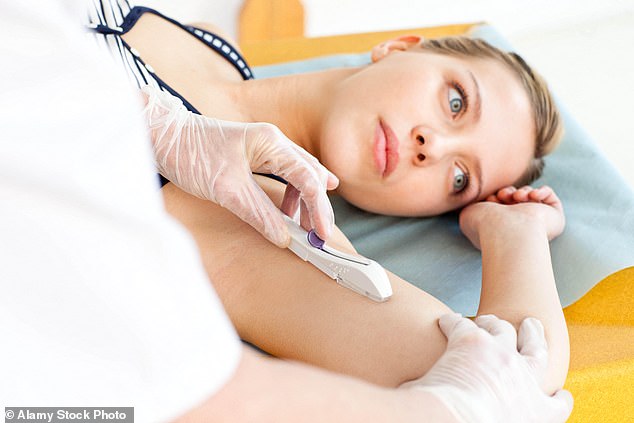
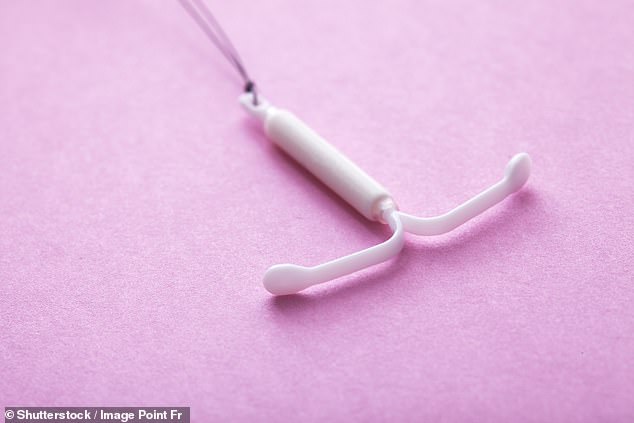
The MHRA warns that implants can migrate if not inserted properly. Human error, such as incorrect placement by inadequately trained staff, increases risks. The College of Sexual and Reproductive Healthcare mandates training for insertion, but errors still occur, especially in slim patients with minimal subcutaneous fat. In 2024, TV personality Dani Dyer underwent surgery to remove a Mirena coil that had migrated to her pelvic area, causing severe cramps and heavy bleeding. Her case highlights how even small devices can move, risking complications like appendicitis or sepsis if an IUD is not properly located.
Other implants and devices face similar migration risks. Dental implants have been found in sinuses after chewing, while implantable loop recorders used for heart monitoring can end up in lungs, with under 1% of cases involving fatal complications. Pacemaker leads, too, can displace, piercing lungs or hearts. These issues have led to legal battles, such as the £35,000 out-of-court settlement for a woman who became pregnant after her implant was never inserted, a failure uncovered through MHRA investigations.

Despite these risks, Nexplanon remains a popular choice. Organon, its manufacturer, declined to comment on specific cases, but experts like Dr. Kathryn Clement, a gynaecologist at the Royal Victoria Hospital, warn that scar tissue can make removal difficult after prolonged migration. For women with implants stuck in lungs, the device may continue working for years, complicating family planning. The MHRA advises women to check their implants regularly, while the NHS urges IUD users to verify the presence of the device's threads every three to four months. For Victoria and others like her, the once-reliable implant now stands as a stark reminder of the risks hidden beneath the skin.
Photos