Newport Hospital Teeters on Financial Collapse Amid State-Mandated Free Care for Low-Income Patients
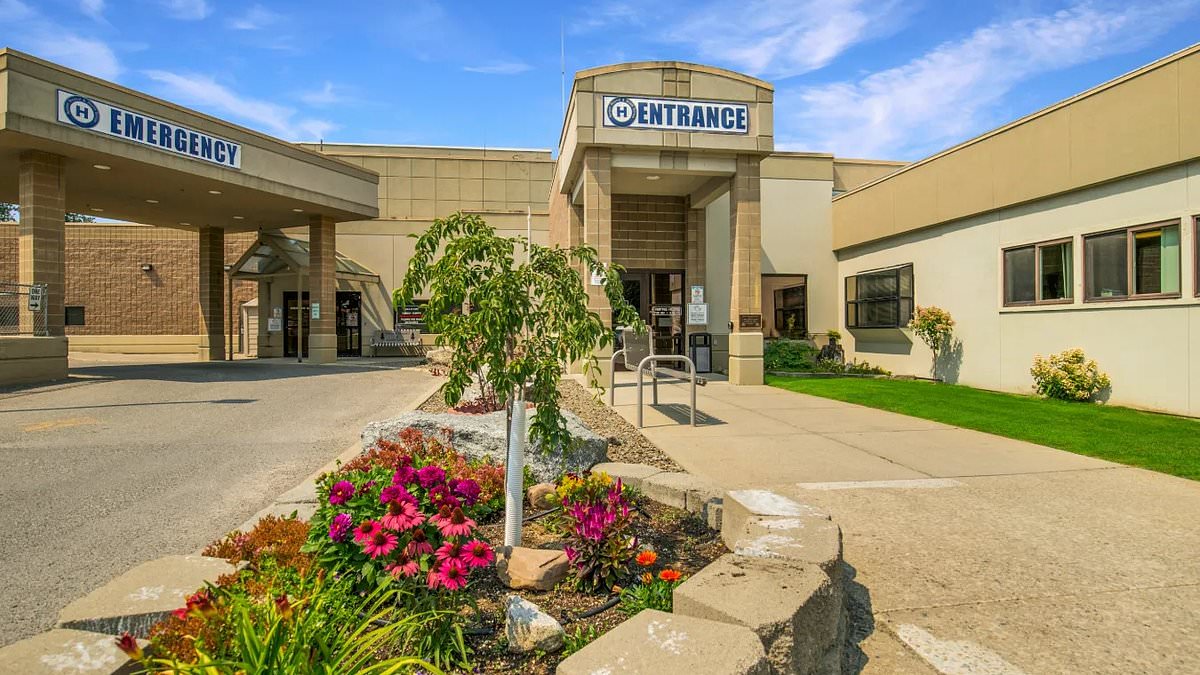
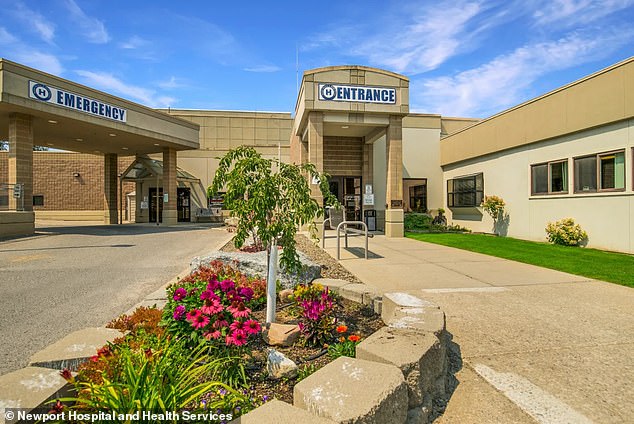
Newport Hospital, a rural Washington facility less than half a mile from the Idaho border, is teetering on the edge of financial collapse. The institution, which serves a community more than an hour from Spokane, has been hit hard by a state law requiring free healthcare for low-income patients—regardless of their state residency or immigration status. Interim CEO Justin Peters called the situation a 'financial hemorrhage,' warning that the hospital's already razor-thin margins are being gutted by the sheer volume of charity care provided to out-of-state individuals. 'Our margins are already very, very thin,' he said. 'Charity care for our community is one thing, but having people come from other states and providing that charity care really puts a strain on our hospital.'
The numbers tell a stark story. In 2025, Newport Hospital spent 43% more on charity care than the previous year, with nearly half of that burden falling on patients from outside Washington. Families of four earning $124,800 annually are now eligible for major discounts at certain hospitals, but the law's reach extends far beyond that threshold. For those below the income cutoff, the state mandates free care—even if they're not citizens or residents. The Department of Health, which implemented the law in 2023, argues that income, not geography or citizenship, is the sole determinant of eligibility. Yet for hospitals like Newport, this approach has created a crisis.
Washington's charity care law, first enacted in 1989, once allowed hospitals to set their own geographic limits for free care. That changed in 2022, when state legislators overhauled the policy, expanding eligibility and banning hospitals from drawing geographical boundaries. The new law, which took effect in 2023, now requires all Washington hospitals to provide free or heavily discounted care to anyone under specific income limits—regardless of where they live. For Tier 1 hospitals, which are part of large systems and generate substantial revenue, the cost is manageable. But for Tier 2 hospitals like Newport, which often operate in rural areas with limited resources, the financial strain is existential.
A family of four earning less than $93,600 annually can walk into a Tier 1 hospital with no out-of-pocket costs. At a Tier 2 hospital, they'd get a 50% discount. Yet for Newport, a Tier 2 facility, this disparity has created a chasm. The hospital's financial model, already fragile, is being eroded by the influx of patients from other states seeking guaranteed discounts. 'It's not just about money,' Peters said. 'It's about survival. If we can't cover basic operational costs, we can't provide care to anyone.'
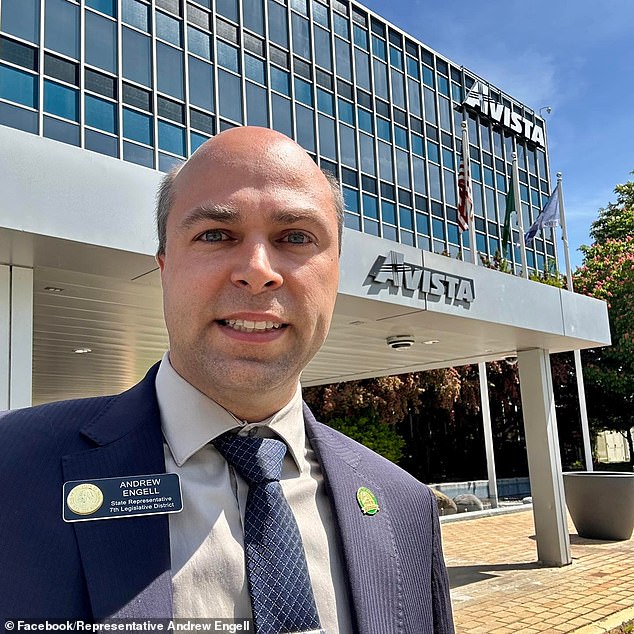
State Representative Andrew Engell, a Republican, has introduced a bill to limit nonemergency charity care to Washington residents, a move he says is necessary to prevent hospitals like Newport from closing. 'The real concern for me is about Newport Hospital on the Idaho border,' Engell told the Spokesman-Review. His proposal has sparked debate, with some lawmakers questioning its wording. But the urgency is clear: without intervention, the hospital could face insolvency. The bill, if passed, would aim to shift the burden back to other states, which critics argue have failed to provide adequate care for their own residents.
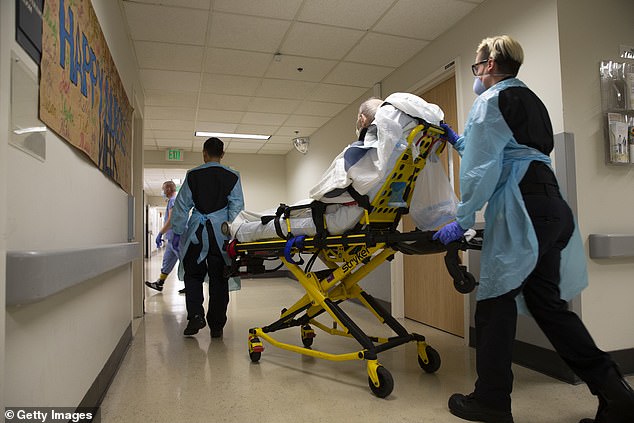
The issue has become a flashpoint in state politics. State Senator Manka Dhingra, a Democrat, framed the debate as a reflection of broader national failures. 'This is another example of what happens with national politics at our state level,' she said. 'Over and over again, what we're finding is that the state has to spend more resources taking care of people that should have access to healthcare in their own state.' Idaho, which lacks a statewide charity care law, allows nonprofit hospitals to set their own policies. This inconsistency, some argue, creates a perverse incentive for low-income patients in Idaho to cross the border into Washington, where guaranteed discounts are available.
Compounding the crisis is the looming impact of President Donald Trump's One Big Beautiful Bill Act, passed last year. Analysts predict the law will strip at least 10 million people of health insurance over the next decade, primarily due to Medicaid cuts and changes to the Affordable Care Act marketplaces. For hospitals already reeling from the charity care mandate, this could exacerbate the financial strain. 'We're not just dealing with a state-level policy failure,' Peters said. 'We're dealing with a national reckoning that's being forced onto local institutions.'
As Newport Hospital braces for an uncertain future, the debate over charity care has taken on a new urgency. With rural hospitals across the country facing similar pressures, the question remains: can the system survive without a radical rethinking of how healthcare is funded and distributed? For now, the answer seems to be a resounding no—for Newport, at least.
Photos