New York Times Columnist's Vitriolic Remark on JD Vance's Mother's Opioid Addiction Sparks Outrage
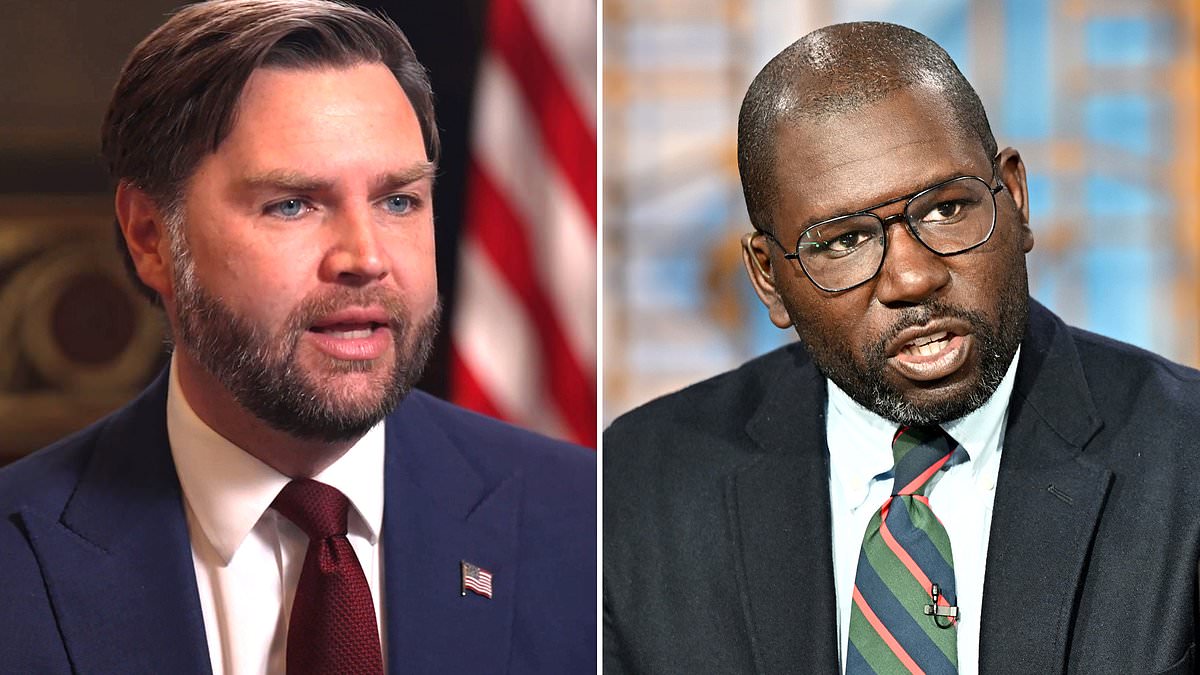
A New York Times columnist ignited a firestorm with a remark that veered into the realm of personal vitriol, linking Vice President JD Vance's mother's opioid addiction to his public persona. Jamelle Bouie, a respected writer for the paper, made the comment in response to an exclusive interview Vance gave to the Daily Mail, where he refused to apologize for amplifying claims that a slain Minneapolis nurse was an 'assassin.' The remark, which drew immediate backlash, centered on an unflinching reference to Vance's mother, Beverly, and her struggles with addiction.
Bouie's statement—'I can't imagine a parent who wouldn't sell little JD for Percocet if they knew he would turn out like this'—was met with swift condemnation. The comment, delivered on the social media platform BlueSky, not only crossed into ethical territory but also echoed the broader debate over how public figures are scrutinized in the wake of personal histories. Bouie's critique of Vance extended beyond the opioid reference, as he accused the vice president of displaying a 'smirk' and a 'ain't I a stinker grin' that he deemed contemptible. The exchange, however, did not go unnoticed by critics who quickly escalated the rhetoric.
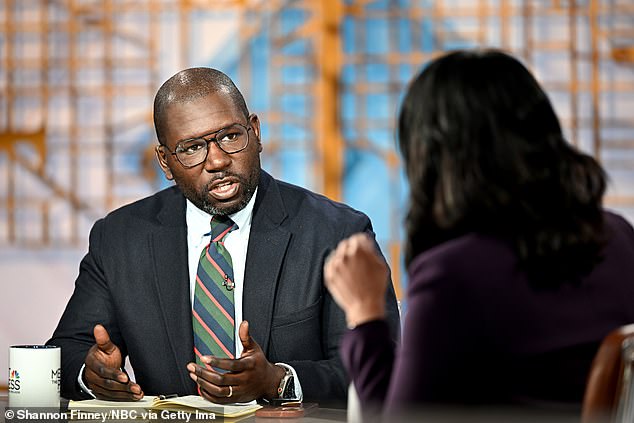
A follower of Bouie's, reacting to the columnist's remarks, called him a 'pompous p***k' and suggested that his mother's struggle with addiction was a direct result of his behavior. The back-and-forth highlighted the polarizing nature of political discourse in an era where personal narratives often become battlegrounds. Bouie, in turn, continued his sharp criticism of Vance, even mocking the vice president after he was booed during the Opening Ceremonies of the Milan Cortina Olympics. He expressed a hope that Vance would face such reactions 'every single place he goes,' reinforcing the intensity of the animosity.
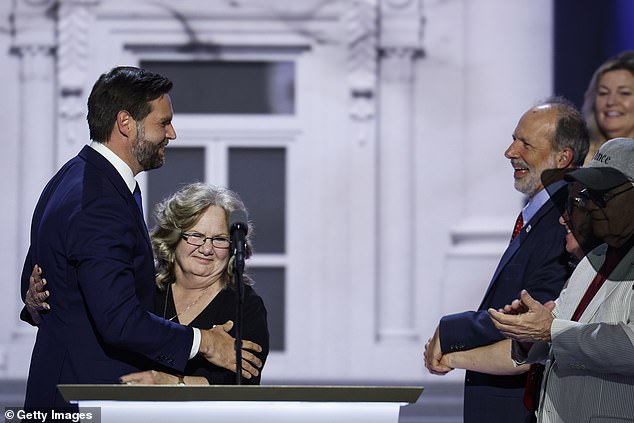
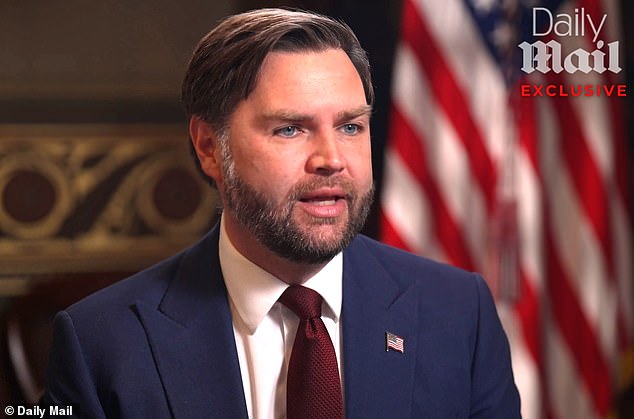
The context of the controversy stems from Vance's memoir, 'Hillbilly Elegy,' which details his upbringing in a family grappling with addiction and poverty. The book, later adapted into a Netflix series, has long been a cornerstone of his public identity. The Daily Mail's interview with Vance, which took place at the Eisenhower Executive Building, focused on his refusal to apologize for amplifying allegations made by White House deputy chief of staff Stephen Miller about the slain nurse, Alex Pretti. Pretti, a 37-year-old Minneapolis nurse with a concealed carry permit, was shot ten times by Border Patrol Agent Jesus Ochoa and Customs and Border Protection Officer Raymundo Gutierrez during a protest in January 2025.
Vance's interview with the Daily Mail became a focal point of the controversy. When asked if he would apologize for endorsing Miller's claims that Pretti was an 'assassin' who 'tried to murder federal agents,' Vance responded with a defiant 'For what?' His argument hinged on the premise that any investigation into Pretti's death should not be preempted by assumptions. 'If something is determined that the guy who shot Alex Pretti did something bad, then a lot of consequences are going to flow from that. We'll let that happen,' he said. 'I don't think it's smart to prejudge the investigation.'
The Daily Mail has reached out to the New York Times and Vice President Vance for comment, but as of now, no official response has been issued. The situation remains in limbo as the Justice Department has opened an investigation into whether Pretti's civil rights were violated during the incident. Meanwhile, the officers responsible for the shooting—Ochoa and Gutierrez—were assigned to Minneapolis as part of Trump's immigration operation aimed at cracking down on undocumented migrants. Vance, who has consistently supported Trump's deportation agenda, reiterated his stance in the interview, emphasizing that the administration would 'not surrender' on its policies despite Pretti's death.
The controversy has also drawn attention to the broader implications of the incident. Footage emerged showing Pretti taunting ICE agents before his death, daring them to 'soak me, motherf***er' with pepper spray. Vance, a Yale law graduate, argued that the officers involved should be given the presumption of innocence, stating that an investigation would determine whether they had a reasonable fear of Pretti. 'If they find out that he violated the law, of course, you should face consequences for violating the law,' he said. 'But I'm not going to engage in conjecture about the different permutations of how this or that officer might have violated the law.'
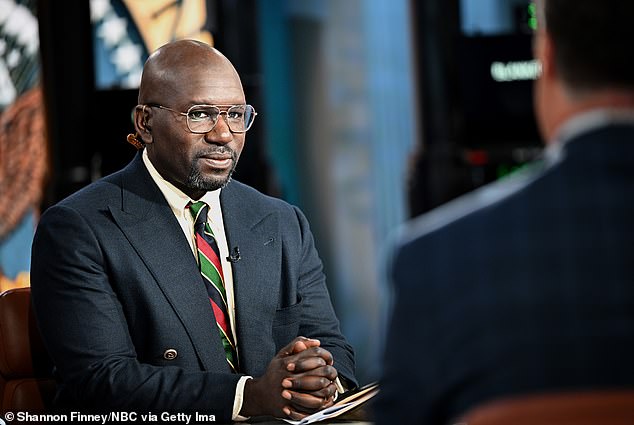
As the investigation unfolds, the clash between Vance's public persona and the scrutiny of his past continues to intensify. Bouie's remarks, though extreme, have only fueled the debate over the limits of political commentary and the ethical boundaries of journalism. The situation underscores the complex interplay between personal history, public discourse, and the responsibilities of both political figures and media outlets in shaping the narrative around such controversies.
Photos